English
Views: 0 Author: Site Editor Publish Time: 2026-09-21 Origin: Site


Food packaging regulations are tightening across the industry. Consumers want tamper-evident, portion-controlled formats for their daily purchases. Individual chocolates, gummies, and mints need precise packaging to maintain freshness and safety from the factory floor to the retail shelf. Picking the wrong equipment introduces severe operational risks to the production line. Material incompatibility between the forming web and the product causes compromised seals. Misalignment between machine throughput and facility hygiene requirements creates immediate production bottlenecks. These errors generate high scrap rates and destroy profit margins.
Technical buyers and operations managers need a reliable framework to evaluate packaging machinery before signing a purchase order. This guide provides actionable criteria to shortlist and procure the ideal equipment for specific food safety standards and production scales. You will learn how to match forming processes to product sensitivities, evaluate throughput capabilities, and ensure strict compliance with sanitary design requirements.
Process Alignment: Thermoforming (using PVC/PET) is optimal for high-visibility confectionery, while cold forming is required for moisture- and light-sensitive food products.
Scalability Dictates Form Factor: Table-top blister machines suit R&D and low-volume artisanal runs; fully automated, multi-lane machines are mandatory for high-throughput commercial lines.
Compliance is Non-Negotiable: Food-grade blister packaging requires strict adherence to FDA/CE standards, necessitating machines with washdown-ready, stainless-steel construction.
Table of Contents
Implementing new packaging equipment requires meeting specific operational targets. Extended shelf life remains the primary objective for any food manufacturer. Zero contamination during the packaging process is an absolute requirement. Optimal product presentation must happen without slowing down the overall line speed. Hitting these targets requires a deep understanding of how the packaging materials interact with delicate food items under mechanical stress.
Blister packaging protects individual gummies, chocolates, and candies from physical damage, moisture, and oxygen during storage and transportation. Different products require different barrier levels: standard PVC may be suitable for hard candies, while sensitive chocolates may need stronger moisture and oxygen protection. Stable sealing temperature and pressure help create a reliable seal, reduce spoilage, and maintain product quality.
Bulk packaging is rapidly losing ground in the retail sector. Unit-dose packaging improves hygiene and meets consumer expectations for on-the-go snacking. Consumers prefer individual portions that do not require touching the remaining product. Blister packaging inherently provides visible tamper evidence. A broken foil backing or a crushed plastic cavity immediately alerts the consumer to potential contamination. This feature satisfies modern food safety requirements and builds brand trust.
Portion control also aids in dietary compliance and nutritional transparency. Packaging individual mints or medicated lozenges ensures exact dosage and caloric intake. The machinery must index the web accurately to ensure the printed lidding foil aligns perfectly with each individual cavity. If the web tension fluctuates, the print registration drifts, cutting off nutritional information and rendering the package non-compliant.
Transparent cavities enhance point-of-sale visibility. Consumers see the actual product before purchasing, which drives impulse buys at retail checkouts. A well-designed blister pack acts as a miniature display case. Integrated die-cutting stations add critical retail-ready features. The mechanical additions turn a simple package into a functional merchandising tool. The punching station on the equipment must execute clean cuts without generating plastic dust. Ragged edges or incomplete perforations negatively impact the brand image.
Pegboard Readiness: Hang holes, frequently called sombrero punches, allow retailers to hang the product on standard display pegs.
Consumer Convenience: Tear-away perforations allow buyers to separate individual units easily without using scissors.
Billboard Space: The flat lidding material provides a printable surface for branding, barcodes, and mandatory nutritional data.
Two primary operational methods exist for forming blister cavities. Both follow a core three-step workflow. First, the machine forms the web into pockets. Second, the feeding system fills the cavity with the product. Third, the sealing station heat-seals the lid to the web. Selecting the correct method depends entirely on the physical and chemical sensitivities of the food product.
Feature | Thermoforming | Cold Forming (Alu-Alu) |
|---|---|---|
Forming Mechanism | Heat and air pressure / mechanical plugs | Mechanical stamping without heat |
Common Materials | PVC, PET, PP, PLA | Aluminum-based laminates |
Product Visibility | High (Transparent) | Zero (Opaque) |
Barrier Properties | Moderate to High (depends on film thickness) | Absolute (100% barrier to light, moisture, oxygen) |
Best Suited For | Gummies, hard candies, chocolates | Highly sensitive, premium or medicated food products |
This process heats plastic films until they become pliable. Common materials include PVC, PET, and PP. Once the film reaches the correct forming temperature, compressed air or mechanical plug assists push the material into the mold to form the pockets. Thermoforming works best for gummies, hard candies, and chocolates. Transparency drives marketing for these items, allowing the vibrant colors of the confectionery to show through.
Trade-offs exist with this method. Plastic offers a lower barrier to extreme moisture and light compared to aluminum. The process requires precise temperature control. Calibration during machine startup prevents film degradation. Overheating causes the plastic to thin out excessively, weakening the cavity corners. Underheating results in incomplete pocket formation and product jamming during the filling stage. Operators must monitor the heating plates closely and adjust settings based on the ambient temperature of the facility.
Cold forming uses mechanical pressure to shape aluminum laminate into blister cavities without heating the forming web. Alu-Alu provides high protection against light, oxygen, and moisture, making it suitable for sensitive food products and nutraceutical gummies. However, the packaging is opaque, uses more material, and generally requires more complex tooling. Proper forming depth and pressure control are also important to prevent damage to the aluminum laminate.
Procurement decisions must map machine features directly to operational outcomes. Evaluating equipment requires looking past basic specifications and understanding how the mechanics impact daily production. Throughput, material flexibility, and changeover times dictate the overall efficiency of the packaging line.

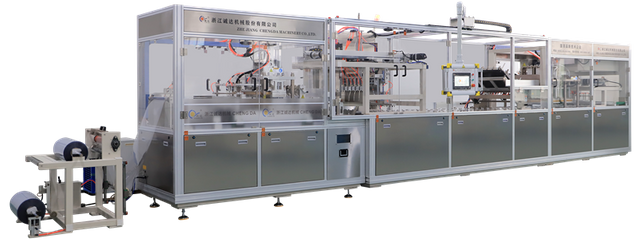
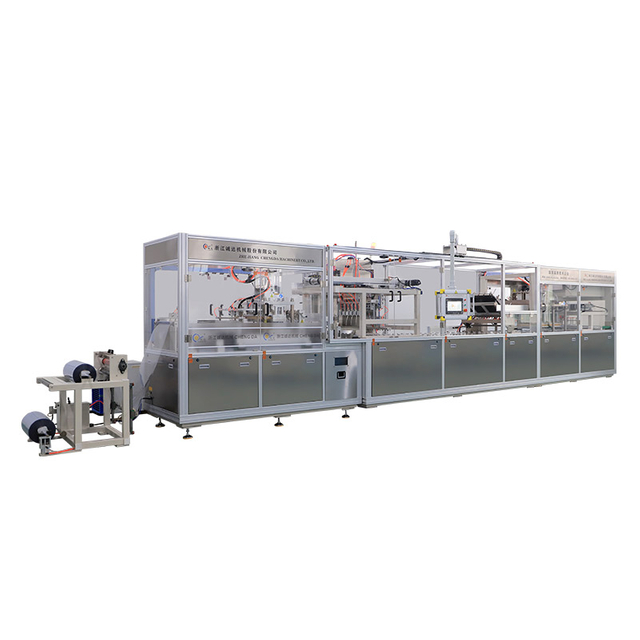
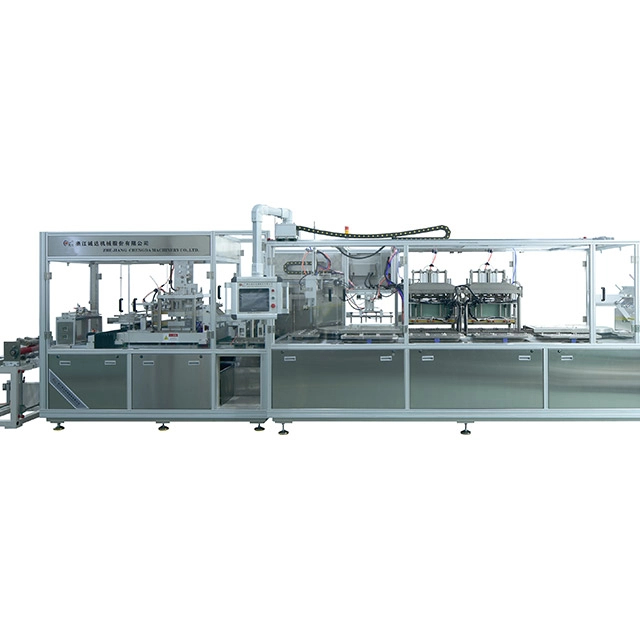
Table-top blister machines are suitable for R&D, testing, and small production batches, but usually require more manual operation. For commercial production, fully automatic machines provide higher output through automatic feeding, forming, sealing, and cutting. Feeding systems help place gummies, mints, and other products into the cavities, while vision inspection detects missing or damaged products. The finished blister packs can also be transferred directly to downstream cartoning equipment.
Diverse forming web materials require adaptable equipment. Facilities are actively transitioning from standard PVC to eco-friendly options. Recyclable PET and compostable PLA films are gaining traction due to consumer demand. The chosen Blister Machine must handle these alternative materials without extensive retooling. Different plastics require different heating profiles and cooling times. A machine with programmable heating zones allows operators to switch materials without replacing the entire heating manifold.
Lidding material versatility is equally important. Production lines must switch seamlessly between push-through aluminum foil and peelable paperboard. Child-resistant plastic backings are sometimes necessary for medicated confectionery. Heat-sealing station precision dictates package quality. The sealing plates must deliver uniform pressure and temperature distribution across the entire web width. Uneven pressure creates micro-leaks. A compromised seal ruins the food cavity, leading to rapid spoilage and costly recalls.
Tooling changeovers can reduce production time, especially when switching between different product formats. Tool-less designs with quick-release mechanisms allow operators to replace forming plates, sealing molds, and punching dies more efficiently. Standardized positioning also helps reduce setup errors, making these systems suitable for manufacturers handling multiple product sizes and shapes.
Food manufacturing operates under strict regulatory environments. Packaging equipment must meet specific sanitary guidelines to prevent contamination. Failing an audit due to poorly designed machinery halts production and damages brand reputation.
Food packaging machines should use stainless steel and easy-to-clean surfaces to reduce contamination risks. Sloped surfaces and accessible machine areas help prevent food dust, sugar, oil, and cleaning water from accumulating. Electrical components should have suitable IP protection for washdown conditions, while conveyor belts, feeding brushes, and other product-contact parts should be easy to remove and clean.
Compliance requires specific operational standards. Food-grade lubricants (H1 rated) prevent chemical contamination in the event of a seal failure on a moving part. All product contact parts must utilize non-toxic, FDA-approved materials. Polycarbonate guards must shield the open product zones from environmental dust and operator interference. Safety interlocks must immediately halt the machine if a guard door opens during operation.
Data logging capabilities ensure batch traceability. Digital records track sealing temperatures, forming pressures, and machine speeds for every production run. This data proves compliance during regulatory audits. If a consumer reports an issue, operations managers can trace the exact parameters used during that specific batch, isolating the root cause quickly. Modern PLCs export this data directly to the facility's central server.
Evaluate long-term profitability beyond the initial sticker price. A cheap machine that constantly jams costs more over five years than a premium machine that runs flawlessly. Operational efficiency dictates the true return on investment on the factory floor.
Machine price should be evaluated together with long-term reliability and downtime costs. Lower-cost equipment may reduce the initial investment but can increase maintenance and production losses if failures occur frequently. Reliable components, standardized PLC systems, and easily available spare parts can help reduce downtime and support stable long-term production.
Film trim waste directly impacts per-unit costs. The skeleton web left over after the punching station represents lost money. Advanced servo-driven indexing minimizes this waste by positioning the cavities closer together. Edge-to-edge punching maximizes material usage, squeezing more finished packs out of every roll of film. Over a year of continuous production, saving a few millimeters of film per index translates to massive material savings.
Energy consumption metrics also matter. Heating stations and pneumatic systems draw significant power. Efficient designs utilize localized heating plates that only activate when the web is in position. Closed-loop cooling systems reduce water consumption. Lowering monthly utility bills improves the overall profit margin of the packaging operation.
Installation and scale-up present common pitfalls. Poor planning leads to delayed commissioning and frustrated operations teams. Identifying risks early ensures a smooth transition from procurement to full production.
The machine should fit the available production space while leaving enough room for operation and maintenance. Before purchasing, check the complete machine footprint, including conveyors and film loading areas. Also confirm utility requirements such as compressed air, electrical power, and cooling water to support stable installation and operation.
Complex Human-Machine Interface (HMI) systems cause problems. Operator error leads to improper startup temperature calibration, resulting in high initial scrap rates. If the interface requires a software engineer to understand, the daily operators will struggle to clear faults or adjust web tension.
Prioritize machines with intuitive, recipe-driven touchscreens. Operators should simply select the product name, and the PLC automatically adjusts the heating temperatures, indexing lengths, and sealing pressures. Secure comprehensive vendor training during the commissioning phase. Verify localized spare parts availability to prevent extended downtime while waiting for a proprietary sensor to ship from overseas.
The optimal packaging equipment balances specific food product sensitivities with facility throughput requirements and retail display goals. By systematically evaluating forming processes, material compatibility, and sanitary design, operations managers can eliminate production bottlenecks and reduce scrap rates. Categorize your needs by volume, material, and product shape complexity before engaging with vendors.
Follow these actionable steps to finalize your procurement process:
Request a Factory Acceptance Test (FAT) to verify machine performance before shipment.
Submit your specific confectionery products and forming films for a live sample run.
Consult a packaging engineer to calculate exact tooling costs for your entire SKU lineup.
Map out utility requirements and spatial constraints for the exact installation site.
A: Food machines require larger cavity flexibility for irregular shapes like gummies or chocolates. They utilize specialized feeding mechanisms, such as vibratory bowls and planetary brushes, designed for sticky or brittle items. Food equipment also prioritizes washdown-ready sanitary designs to handle sugar dust and oil, whereas pharmaceutical machines focus heavily on cleanroom compliance and micro-dosing precision.
A: Yes, hybrid machines exist. They feature interchangeable forming stations. Operators can swap the heating plates and air-pressure tools used for thermoforming with the mechanical stamping dies required for cold forming Alu-Alu. However, these hybrid models require a larger initial investment and longer changeover times due to the complexity of the tooling.
A: The forming web typically utilizes PVC, PET, or PP to create transparent pockets, allowing consumers to see the candy. For highly sensitive foods, Alu-Alu (aluminum laminate) is used. The lidding material usually consists of push-through aluminum foil, peelable paperboard, or child-resistant plastic laminates, depending on retail requirements.
A: On modern, modular machines equipped with tool-less quick-release mechanisms, a complete format changeover takes 15 to 30 minutes. Operators simply slide out the old plates and lock the new ones into standardized pins. Legacy equipment requiring manual bolt removal and recalibration can take several hours.
A: No. Table-top machines are strictly for R&D, market testing, and very small artisanal batches. They rely on manual feeding, manual web indexing, and have severe heating constraints. They cannot achieve the cycles per minute required for mass commercial distribution and will create severe bottlenecks in a high-volume facility.
A: Machines utilize contact cooling plates immediately after the heating zones to stabilize the plastic. During the sealing phase, precise dwell times ensure the heat only penetrates the lidding foil and the web lip. Localized heat application prevents the internal cavity temperature from rising, protecting delicate chocolates or gummies from melting.