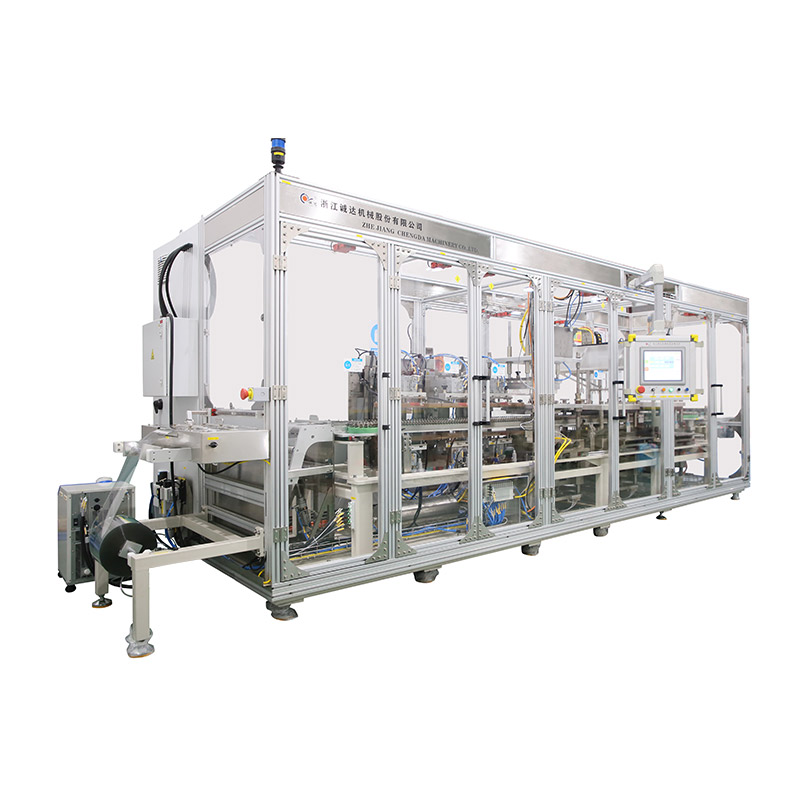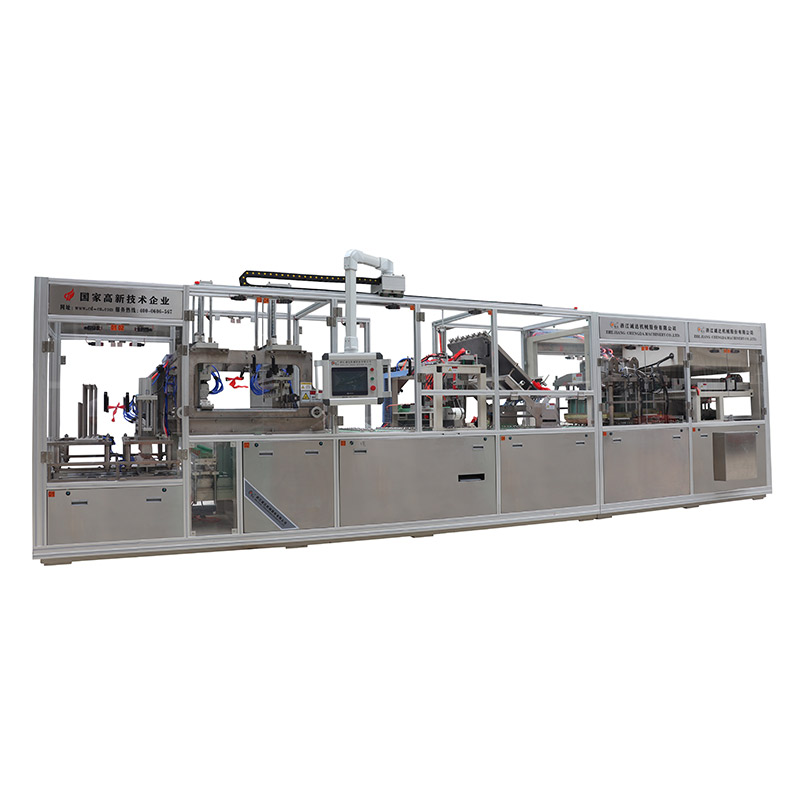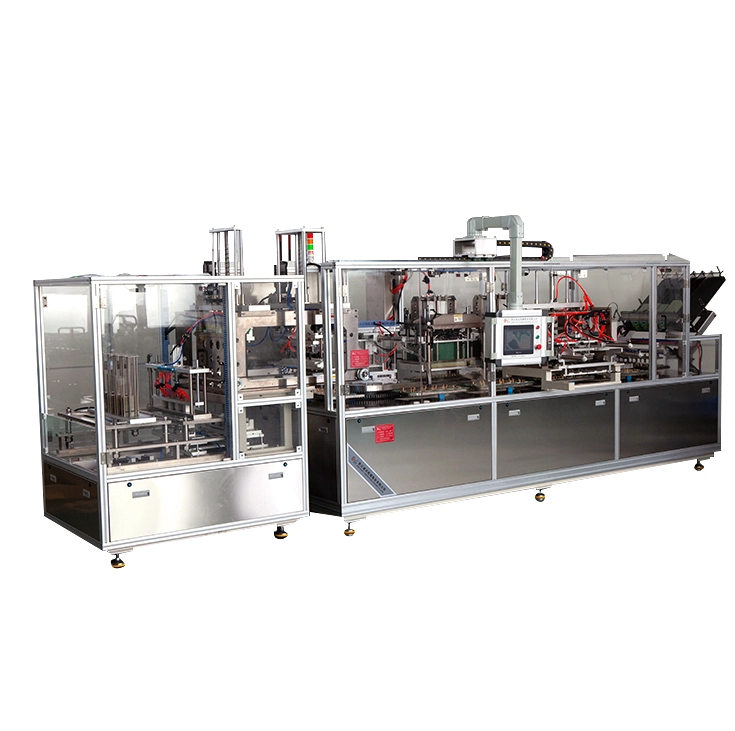
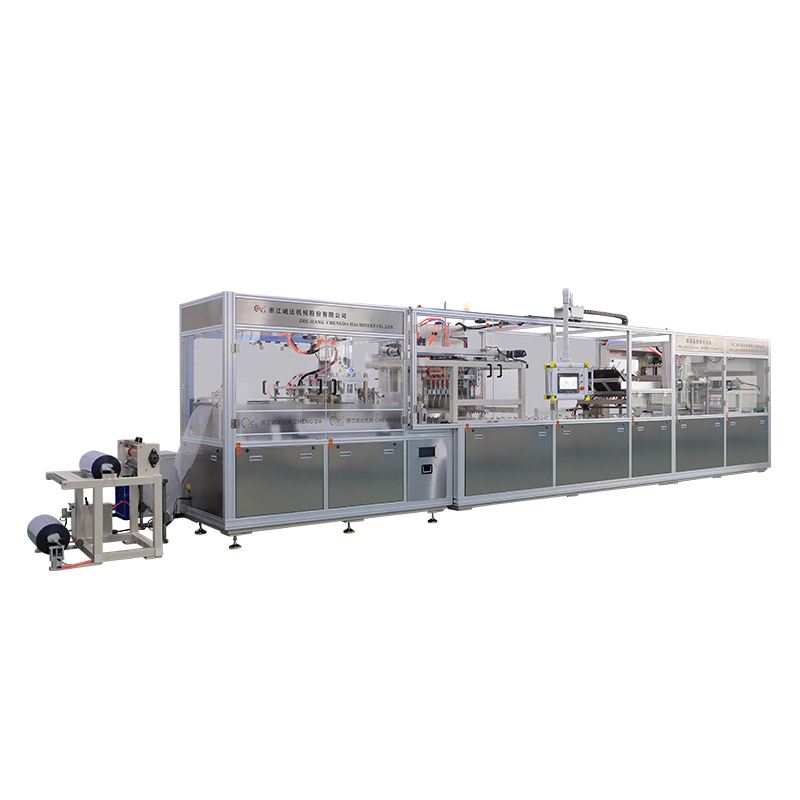
Choosing the right **blister machines** for medical packaging requires careful evaluation of compliance, materials, production volume, seal integrity, and long-term operating costs. This guide explains thermoforming and cold forming technologies, material compatibility, tooling changeovers, quality control, cleanroom integration, and scalability for different healthcare applications. It also compares in-house blister packaging with outsourced services and examines key implementation risks, including IQ/OQ/PQ validation, material supply, operator training, and maintenance. Understanding these factors helps manufacturers select reliable blister packaging equipment that supports product protection, production efficiency, and consistent packaging quality.
Small batch blister packaging requires greater flexibility, faster changeovers, and lower setup waste than traditional high-volume production. This guide explains how to choose the right blister machine for R&D, clinical trials, custom packaging, and low-volume commercial applications. It compares tabletop, semi-automated, and compact fully automated blister machines while examining material compatibility, tooling customization, downstream integration, cleanroom requirements, compliance, validation, and seal quality. By understanding these factors, manufacturers can select blister packaging equipment that balances production efficiency, product versatility, regulatory requirements, and future scalability.
Automation Cartoning Machines are transforming modern packaging by combining servo-driven technology, robotics, AI vision systems, and Industry 4.0 connectivity. This guide explains how smart conveyance, automated changeovers, intelligent quality inspection, and predictive maintenance improve packaging efficiency and Overall Equipment Effectiveness (OEE). It also explores equipment selection, system integration, machine safety, hygienic design, and implementation strategies. By adopting advanced automation cartoning technology, manufacturers can increase productivity, reduce downtime, improve packaging quality, and build flexible, future-ready production lines.