English
Views: 0 Author: Site Editor Publish Time: 2026-08-27 Origin: Site


Food and confectionery manufacturers face increasing pressure to deliver single-serve portions with extended shelf life and tamper-evident seals. Consumers expect absolute freshness, while retailers demand secure, visually appealing display formats. This shift forces facilities to upgrade from traditional bagging to precision cavity packaging. Scaling production while maintaining strict food safety standards presents a significant operational challenge. Facilities must minimize material waste and manage complex automated packaging lines effectively. Poorly specified equipment leads to high scrap rates, compromised seals, and frequent downtime. Integrating these systems requires precise alignment with existing downstream equipment. To achieve optimal production efficiency, operations and packaging engineers must carefully evaluate equipment specifications based on product state, throughput requirements, material compatibility, and facility integration capabilities. Properly specified Blister Machines solve these challenges by automating the forming, filling, and sealing processes under strict hygienic controls.
Application Specificity: The choice between thermoforming and cold forming depends entirely on the food product’s sensitivity to moisture, light, and oxygen.
Throughput vs. Flexibility: High-speed rotary blister machines maximize output for single SKUs, while flat-plate systems offer the flexibility needed for frequent changeovers in multi-product facilities.
Compliance is Non-Negotiable: Food-grade blister packaging requires equipment with specific sanitary designs, including washdown-rated components and FDA-compliant contact surfaces.
Table of Contents
Successful blister packaging in the food sector requires meeting strict physical and aesthetic criteria. Absolute seal integrity is the primary requirement. A compromised seal introduces oxygen and moisture, rapidly degrading food quality. We verify this on the floor using vacuum decay and dye penetration testing. Precise portion control is equally critical. Each cavity must contain the exact volume or piece count specified on the label. Finally, the packaging must offer high aesthetic appeal for retail environments. Clear cavities, unwrinkled backing materials, and clean die-cuts drive consumer confidence and shelf presence.
The food industry utilizes cavity packaging across two main product categories. Confectionery products represent the largest segment. Chewing gums, breath mints, medicated lozenges, and molded chocolates require rigid protection. These items are highly susceptible to physical crushing and moisture degradation. Blister packaging provides individual physical compartments that prevent chipping and sticking during transit.
Liquid and semi-liquid portions form the second major category. Single-use condiments rely heavily on this technology. Honey, dipping sauces, concentrated pastes, and flavored syrups require deep-draw cavities. These applications demand specialized leak-proof sealing and peelable lidding films for consumer convenience. Handling liquids requires entirely different dosing and sanitation approaches compared to solid goods.

Isolating products in pre-formed cavities fundamentally changes preservation dynamics. Bulk packaging exposes the entire contents to ambient air once opened. Cavity packaging protects each individual dose until the exact moment of consumption. This prevents cross-contamination between pieces. It also drastically extends the functional shelf life of the remaining product. The barrier materials block ultraviolet light, oxygen transmission, and moisture vapor ingress. Engineers must match the film's Oxygen Transmission Rate (OTR) and Moisture Vapor Transmission Rate (MVTR) to the specific degradation profile of the food item.
Evaluating a machine requires understanding its core workflow. Systems operate on either a continuous or intermittent motion basis. Intermittent machines pause the web during the forming and sealing phases. Continuous machines keep the web moving constantly, utilizing rotary drums for processing. The choice between these workflows dictates the machine's overall speed, footprint, and mechanical complexity.
The packaging sequence initiates at the unwind station. A motorized spindle feeds the base material into the machine while dancer rollers maintain consistent web tension. If tension fluctuates, the web tracks off-center, causing misalignment downstream. Servo-driven tension control prevents the web from sagging or snapping during high-speed indexing. For thermoforming applications, the film enters a pre-heating zone. Upper and lower Teflon-coated platens apply precise thermal control. The plastic reaches a pliable state, typically between 120°C and 150°C, preparing the film for molding without causing thermal degradation.
The softened web indexes into the forming station. High-pressure compressed air forces the plastic into the mold cavities. For deep-draw liquid applications, mechanical Teflon plugs assist the air pressure. This plug-assist ensures uniform wall thickness across deep pockets, preventing weak corners that could rupture during shipping. Cold forming bypasses the heating stage entirely. Instead, heavy steel punches mechanically press-form aluminum laminates into the required shapes.
Automated dosing systems populate the formed cavities. Solid products require dedicated track feeders or planetary brush boxes. We often see facilities struggle with product bridging in the hopper. Proper vibratory tuning prevents this. The mechanisms sweep gums or mints into the pockets at high speeds. Liquid applications utilize integrated pumping stations. Peristaltic or servo-driven piston pumps inject precise volumes of sauces or honey. Liquid dosing requires specialized anti-drip nozzles with pneumatic suck-back valves to keep the sealing flange perfectly clean. A single drop of liquid on the seal area compromises the entire package.
The filled web meets the lidding material at the sealing station. The backing material unwinds and aligns precisely over the cavities using photoelectric registration sensors. Heated sealing plates or rotary drums press the two webs together. The combination of controlled heat, high pressure, and specific dwell time creates a hermetic seal. The knurl pattern on the sealing tool—whether pyramid, cross-hatch, or linear—ensures microscopic adhesive bonding across the entire surface.
The continuous sealed web indexes into the final die-cutting station. Precision progressive steel dies shear the web into individual blister cards. This stage is critical for evaluating material yield. Advanced servo-indexing minimizes the space between punches. Reducing this edge-trim waste directly improves material utilization. The remaining scrap web is tightly rewound on a dedicated spindle for disposal or recycling.
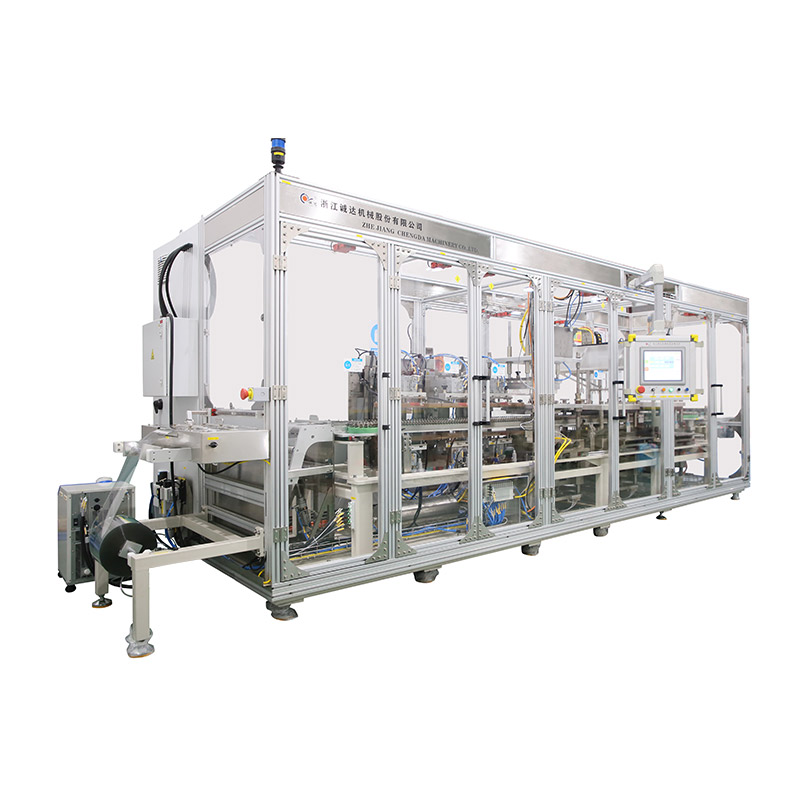
Modern packaging equipment must accommodate various forming methods and backing materials. The selection dictates the machine's heating requirements, tooling design, and overall footprint. Engineers must align the machine capabilities with the specific barrier needs of the food product.
Thermoforming relies on pre-heating plastic films to form cavities. Common materials include PVC, PET, and PP. This method is best for confectionery products requiring high visibility. Clear blisters allow consumers to see the product, enhancing retail appeal. Thermoforming offers standard barrier protection suitable for fast-moving consumer goods.
The primary operational consideration involves energy usage. The heating stations draw significant electrical power to maintain forming temperatures. However, the base plastic materials generally consume less budget than heavy aluminum laminates. Thermoformed cavities can also achieve tighter radii and smaller overall card footprints, optimizing secondary packaging dimensions.
Cold forming utilizes press-forming to shape aluminum laminates without any heat. This technique creates a 100% barrier against moisture, oxygen, and light. Highly sensitive food products, such as premium medicated lozenges or specialized probiotics, require this level of protection. The aluminum web stretches mechanically under heavy punch pressure.
This method presents specific operational trade-offs. The packaging is entirely opaque, eliminating product visibility. The material consumption is significantly higher than standard plastics. Furthermore, cold forming requires larger blister footprints. The aluminum laminate cannot stretch as sharply as heated plastic, requiring wider draft angles and larger cavities to prevent micro-fractures in the foil.
Aluminum foil remains the standard for push-through confectionery. Hard-temper foil ruptures cleanly when a consumer pushes a mint or gum through the backing. Plastic and laminate films serve a different purpose. These materials provide high tear resistance and are used for peelable liquid or sauce portions. Paperboard backing is highly relevant for retail-ready confectionery. It allows for vibrant branding, nutritional printing, and integrated pegboard display hanging holes.
To successfully qualify new materials on your equipment, follow these steps:
Obtain technical data sheets (TDS) for all proposed forming and lidding films to verify thermal properties.
Verify the sealant layer compatibility between the base web and the lidding material.
Conduct short-run trials on the actual production equipment to establish baseline temperature and pressure windows.
Perform vacuum decay testing on the sealed samples to confirm hermetic integrity.
Execute accelerated aging tests in an environmental chamber to validate shelf-life claims.
Matching machine design to production scale is a critical engineering task. Oversized machines waste floor space and complicate simple runs. Undersized machines create severe production bottlenecks. Evaluating architecture requires analyzing kinematics, sealing methods, and dosing integration.
Tabletop systems serve specific low-volume needs. They are ideal for R&D labs, pilot production runs, and artisanal food manufacturing. These units require minimal floor space and run on standard electrical phases. Operators can quickly test new cavity shapes or seal parameters without disrupting main production lines.
These systems have strict limitations. They require operators to manually place blister sheets onto forming areas. Operators must manually monitor heating temperatures and initiate the sealing press. This makes them highly manual and less consistent. They are entirely unsuitable for continuous high-speed output or large-scale retail distribution.
Flat-plate sealing utilizes intermittent motion. The web stops, the flat heated plates close, apply pressure, and open. This method is slower but provides longer sealing dwell times. Extended dwell time is ideal for complex cavity shapes, liquid portions, or thicker paperboard backing materials that require deep heat penetration.
Rotary sealing operates on continuous motion. The web passes between two heated rotating cylinders. This architecture achieves exceptionally high speeds. It is the preferred choice for standard confectionery like round mints or gum using thin foil backing. The continuous motion reduces web stress and maximizes hourly output.
Feature | Flat-Plate Sealing | Rotary Sealing |
|---|---|---|
Motion Type | Intermittent (Start/Stop) | Continuous |
Production Speed | Moderate (50-150 cards/min) | High (400-600+ cards/min) |
Dwell Time | Long (Adjustable) | Short (Speed dependent) |
Best Applications | Liquids, deep-draw, paperboard backing | Standard solid confectionery, foil backing |
Tooling Complexity | Simpler flat plates | Complex machined cylinders |
Solid feeders must match the product geometry. Vibratory brush boxes sweep uniform tablets into cavities efficiently. Dedicated track feeders provide precise placement for irregularly shaped chocolates or fragile gums. Liquid and paste pumps require different engineering. Peristaltic pumps handle thin syrups gently. Piston pumps force thick sauces or honey into deep-draw cavities, relying on pneumatic cut-off valves to prevent seal contamination.
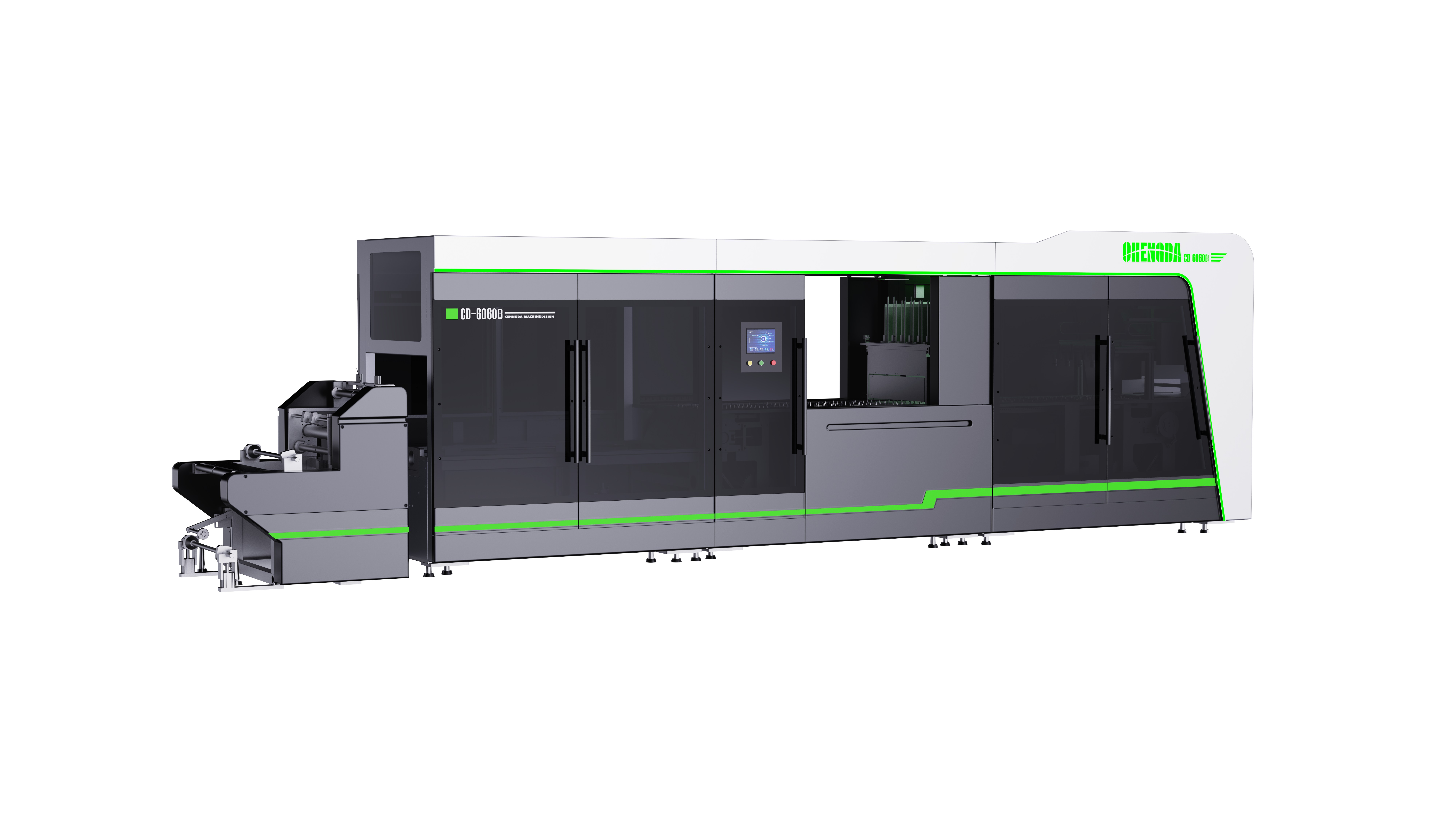
Specific machine capabilities translate directly to operational success. Engineers must look beyond basic specifications and evaluate how the machine performs under rigorous daily use. Robust construction, sanitation protocols, and changeover efficiency define a machine's true utility on the factory floor.
Food-grade packaging requires stringent material compliance. You must verify stainless steel grades during the design phase. Standard machine frames may use 304 stainless steel, but all product contact parts must utilize 316L stainless steel for maximum corrosion resistance. The surface finish must meet specific roughness averages (Ra) to prevent bacterial harborage. Welds must be ground smooth and polished.
Liquid food applications require specific sanitation features. Assessing clean-in-place (CIP) capabilities is necessary for sauce and honey dosing systems. The machine must feature high washdown ratings, typically IP65 or IP69K. This allows sanitation crews to use high-pressure, high-temperature water and caustic cleaning agents without damaging internal electronics, sensors, or servo motors. Electrical cabinets must feature sloped roofs to shed water.
Modern facilities rarely run a single product indefinitely. Implementing Single-Minute Exchange of Die (SMED) principles keeps downtime manageable. Toolless changeover mechanisms allow operators to swap forming molds, guide tracks, and sealing plates rapidly. Quick-release clamps and pneumatic locking pins replace traditional bolted assemblies. We look for machines where a single operator can complete a full format change in under 30 minutes.
Evaluating the lead time of custom blister molds is also necessary. Launching new confectionery shapes requires new tooling sets. Machines with modular tooling designs reduce the machining time for these custom parts. Fast tooling turnarounds keep the facility agile. You should also require the OEM to provide a dedicated tooling cart to protect the heavy aluminum molds from damage during storage.
Standalone machines create material handling bottlenecks. Proper line integration ensures smooth product flow. The outfeed must be compatible with downstream equipment. Conveyor systems must seamlessly transfer punched cards into cartoners, checkweighers, and automated case packers without manual intervention.
Data integration is equally important for modern manufacturing. The machine's PLC must communicate with centralized factory networks. Tracking OEE (Overall Equipment Effectiveness) requires real-time data on cycle speeds, reject rates, and downtime events. Proper data integration ensures full traceability for food safety compliance and recall management.
Installing complex packaging equipment in food facilities involves inherent risks. Unforeseen variables can delay commissioning and disrupt existing production schedules. Identifying these common pitfalls early allows engineering teams to deploy effective countermeasures before the equipment arrives on site.
Material mismatches cause severe packaging failures. The primary risk involves weak seals or curling blisters. This occurs when forming and lidding materials have different thermal shrinkage rates. Mating a PET blister with an incompatible paperboard backing often results in warped cards that jam downstream cartoners.
Mitigation requires rigorous testing. Conduct extensive material trials using the exact production films. Perform seal integrity testing immediately after the trial runs. Utilize vacuum leak tests and dye penetration tests to verify hermetic seals. Do not sign off on the machine until the materials perform flawlessly under continuous production speeds.
Sophisticated machinery requires skilled personnel. The main risk is excessive downtime caused by improper setup or a lack of technical troubleshooting skills. If operators cannot clear jams, adjust servo timing, or read PLC fault codes, the machine's theoretical output drops drastically.
Mitigation starts with education. Mandate comprehensive vendor training during the commissioning phase. Maintenance teams must understand the PLC logic and pneumatic schematics. Establish clear, visual standard operating procedures (SOPs) for all tooling changes and daily sanitation routines. Well-trained operators prevent minor faults from becoming major mechanical failures.
High-performance equipment demands robust utilities. The risk lies in inadequate facility infrastructure. Insufficient compressed air pressure leads to poorly formed cavities. Inadequate chilling systems cause the sealing plates to overheat, melting the plastic web. Voltage fluctuations disrupt sensitive servo drives.
Mitigation requires proactive engineering. Conduct a thorough site audit against the machine's utility specifications during the procurement phase. You must verify the following utilities:
Compressed Air: Ensure the plant supplies clean, dry air at the required CFM and PSI, utilizing proper filtration and desiccant dryers.
Chilled Water: Verify the cooling loop has sufficient capacity to maintain temperature setpoints at the forming and sealing stations during peak ambient temperatures.
Electrical Supply: Confirm the voltage, phase, and amperage match the machine's requirements, installing power conditioners if facility power fluctuates.
Exhaust and Ventilation: Provide adequate extraction for any fumes generated during the heating of specific plastic films.
Define exact product dimensions and required cavity volumes to initiate accurate tooling design with the mechanical engineering team.
Secure production-grade material samples for both forming webs and lidding films to conduct rigorous compatibility and thermal trials.
Audit facility utilities to ensure adequate compressed air volume, chilled water flow rates, and stable electrical capacity at the installation site.
Execute a comprehensive Factory Acceptance Test (FAT) with the shortlisted equipment manufacturers using your actual food products and production materials.
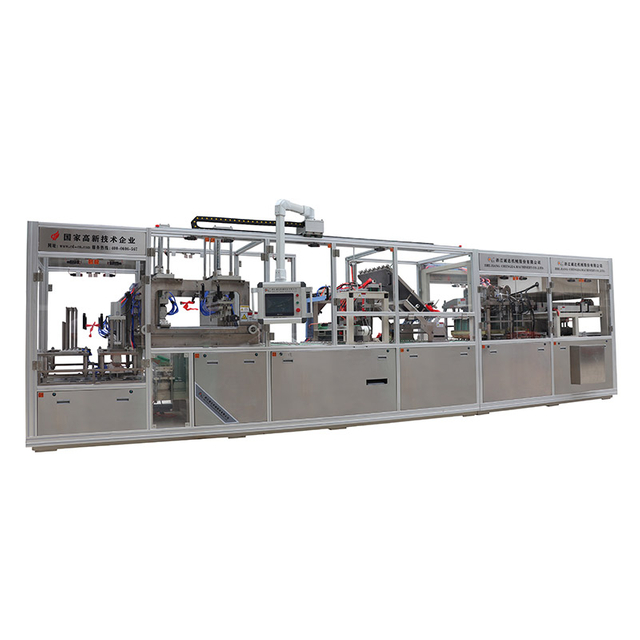
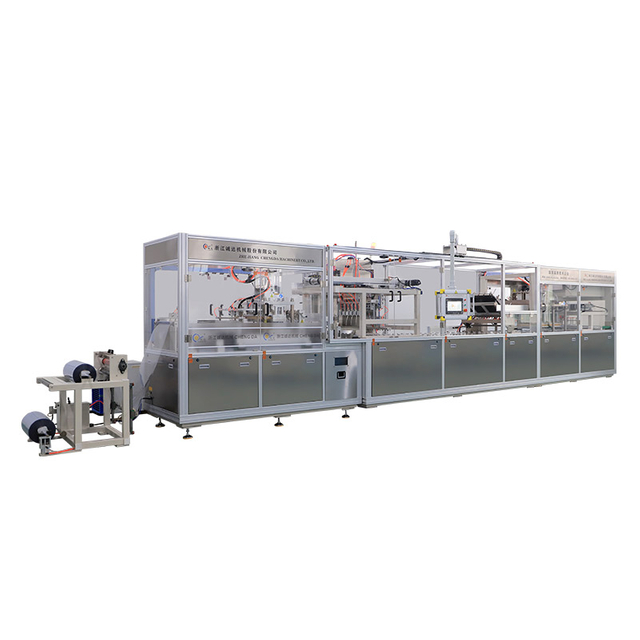
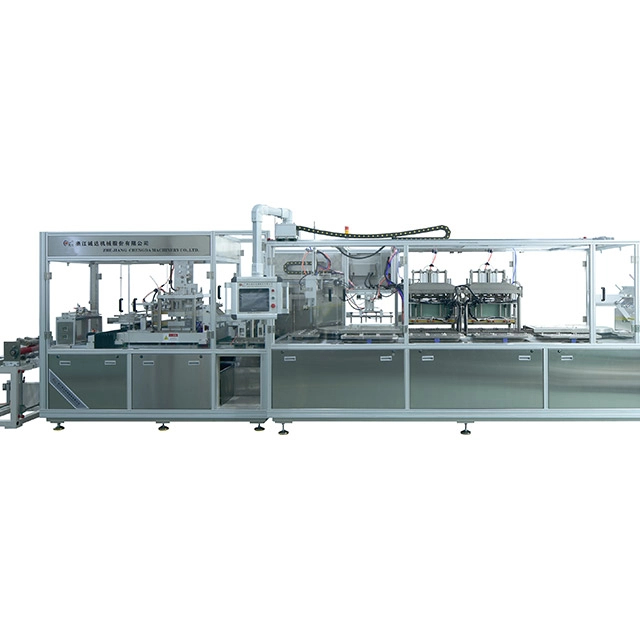
For manufacturers looking to improve packaging efficiency and adapt blister technology to different food and confectionery applications, Zhejiang Chengda Machinery Co.,Ltd. provides blister packaging machinery backed by extensive manufacturing experience and application-focused technical support. By combining equipment capabilities with specific product, material, and production requirements, manufacturers can build a more reliable and efficient blister packaging process.
A: The standard workflow involves unwinding the base web, pre-heating the material for thermoforming, and forming the cavities using air or mechanical pressure. The machine then fills the cavities with the product, applies the lidding material, heat-seals the two webs together, and die-cuts the continuous web into individual cards.
A: Common forming materials include PVC, PET, and PP for transparent thermoforming, and Alu-Alu laminates for opaque cold forming. Lidding materials typically consist of hard-temper aluminum foil for push-through applications, multi-layer plastic laminates for peelable seals, or coated paperboard for retail display cards.
A: Yes. Many machines can apply paperboard backing. This requires specialized heat-sealing plates designed to drive heat through the thicker paperboard without scorching it. Paperboard is highly popular for retail confectionery because it allows for high-quality graphics and integrated hanging holes for pegboard displays.
A: Yes. Machines configured for liquids utilize deep-draw forming plugs and specialized dosing pumps. Peristaltic or piston pumps inject the liquid into the cavities. These systems require precise anti-drip nozzles to ensure the sealing flanges remain perfectly clean before the lidding film is applied.
A: Flat-plate machines use intermittent motion, pausing the web to apply flat heated plates for sealing. They offer longer dwell times, ideal for complex shapes or thick materials. Rotary machines use continuous motion, sealing the web between rotating heated cylinders to achieve much higher production speeds.
A: Food-grade equipment must feature 316L stainless steel for all product contact surfaces. The design must eliminate dead legs where bacteria can hide. For liquid applications, machines often require IP65 or IP69K washdown ratings and clean-in-place (CIP) integration to withstand harsh chemical sanitation processes.