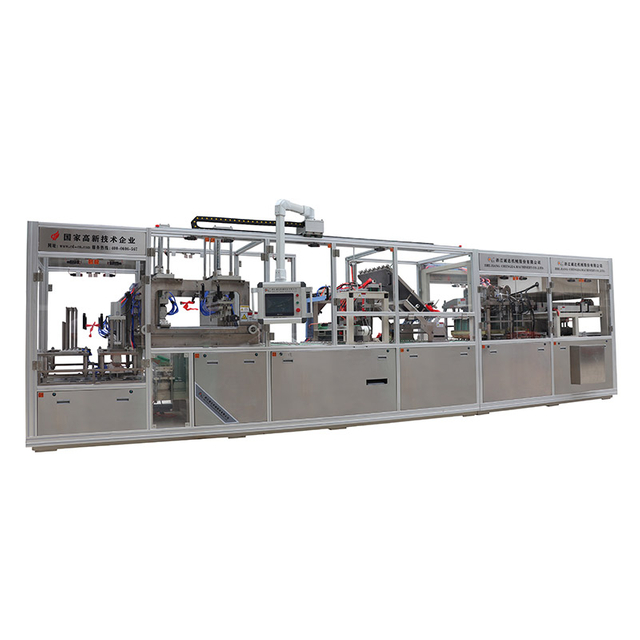
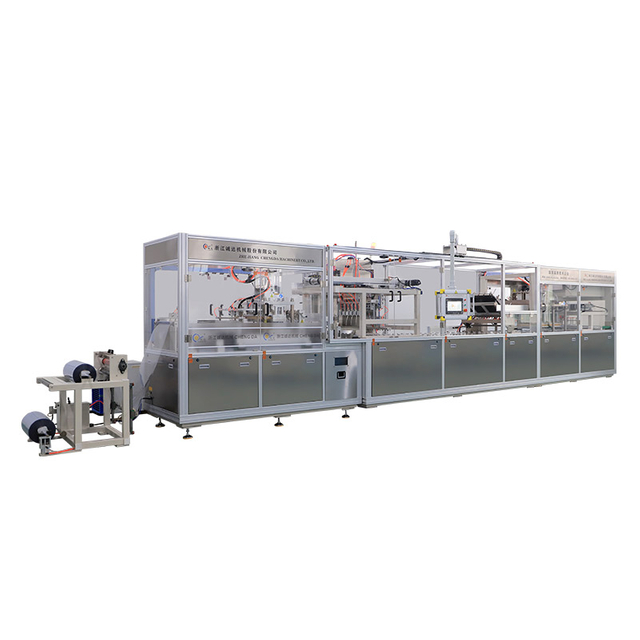
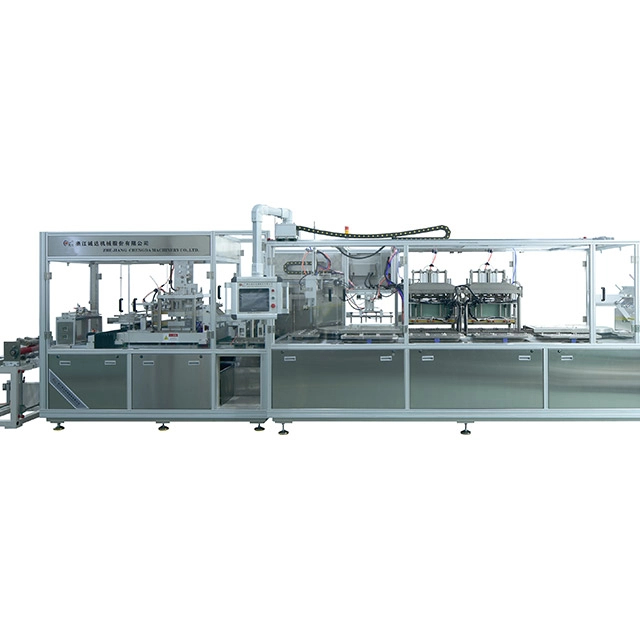
English
Views: 0 Author: Site Editor Publish Time: 2026-07-29 Origin: Site


Selecting the right cartoning equipment directly dictates downstream throughput, upstream integration, and overall equipment effectiveness on the packaging line. The fundamental choice between Top Load vs End Load Cartoning Machines determines how products are handled, what packaging materials are required, and how the machinery fits within facility constraints. Choosing the wrong cartoning machine style introduces severe operational risks. You might face frequent product damage, chronic jamming, excessive changeover downtime, and inefficient use of floor space.
Evaluating these systems requires a technical analysis of product rigidity, packaging material formats, and production speed. The optimal choice aligns machine mechanics with the physical characteristics of the product being packaged. Understanding the operational differences between vertical gravity loading and horizontal pushing mechanisms ensures the selected equipment meets immediate production requirements while allowing for future scalability. We will break down the mechanical realities of both systems to guide your equipment specification process.
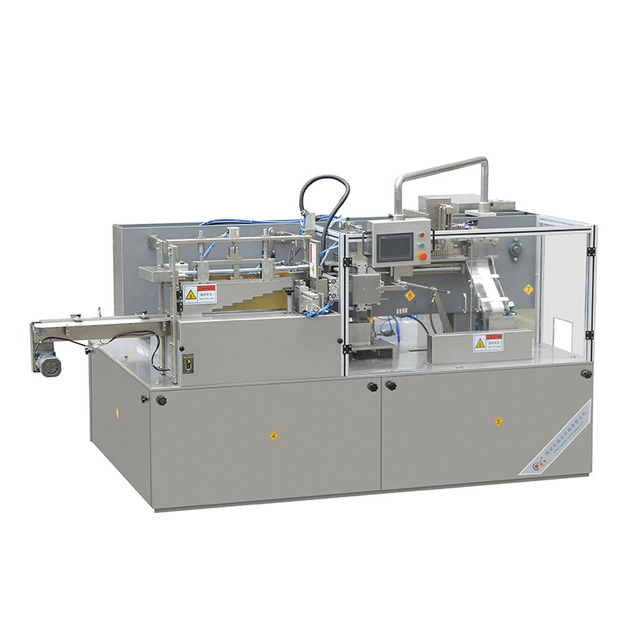
Product Handling: Top load machines excel with fragile, multi-component, variable-count, or gravity-fed products, while end load machines are optimized for rigid, stackable, or single-unit items.
Consumables and Carton Style: Top load systems typically utilize flat, unglued blanks (lower material costs), whereas end load systems utilize pre-glued sleeves (higher material costs but simpler on-machine assembly).
Throughput vs. Flexibility: End load cartoners typically offer higher continuous-motion speeds (exceeding 300+ CPM); top load cartoners provide superior flexibility for varying product counts and complex pack patterns.
Footprint and Integration: End load systems generally require a smaller, more linear footprint compared to the often larger, modular layouts required for top load robotic or manual loading stations.
Table of Contents
Calculating the required cartons per minute (CPM) requires analyzing the upstream primary packaging output. You must account for surge capacity and micro-stops. If a flow wrapper or multi-lane stickpack machine outputs 400 units per minute and each carton holds four units, the cartoner must reliably process 100 CPM. However, running a machine at 100% of its rated capacity leads to premature wear. You should specify a machine capable of at least 120 CPM to provide a 20% buffer margin for upstream surges.
Intermittent motion machines operate on a start-and-stop cycle. The carton indexes into position, stops, receives the product, and then indexes to the closing station. This provides precise control for complex loading tasks but limits overall speed. Continuous motion capabilities keep the carton moving during the loading phase. Barrel cam loaders track alongside the moving carton, pushing the product in smoothly. This significantly increases throughput but requires highly stable product transfer mechanisms to prevent shifting during the horizontal push.
When evaluating line speed, you also need to look at the infeed collation. High-speed cartoners require smart belts or race-track collators to group products before loading. If your product cannot handle the acceleration and deceleration of high-speed collation belts without tipping or shingling, a slower intermittent motion machine might be your only viable option, regardless of your desired CPM.
Product fragility, shape, weight, and structural rigidity heavily influence the loading mechanism. Rigid items like blister packs, bottles, or solid soap bars withstand lateral forces easily. They slide into a carton without buckling. Delicate or flexible products, such as bakery items, pouches, or soft medical devices, require gentler handling. If you push a flexible pouch horizontally, it will likely fold, snag on the carton flap, and cause a jam.
Multi-packing, kitting, or specific internal carton orientations demand specialized loading sequences. Display-ready packaging, internal dividers, or inserts further complicate the insertion process. You need machines capable of staging and placing multiple components accurately without crushing the primary product. For example, loading a glass vial alongside a folded paper insert requires precise timing. If the insert shifts, the vial will crush it during insertion.
Consider the center of gravity of your product. Tall, narrow bottles are prone to tipping on high-speed infeed conveyors. You might need timing screws or specialized pucks to stabilize them before they reach the loading station. The physical presentation of the product as it arrives at the cartoner dictates the complexity of the required infeed automation.
The mechanical difference between flat carton blanks and pre-glued sleeves dictates the machine's forming section. Flat blanks are assembled entirely on the machine. A vacuum arm pulls the blank from the magazine, and a mechanical plunger pushes it through a forming die to erect the side walls. This requires precise tooling specific to the carton dimensions. Pre-glued sleeves are erected by pulling the folded sleeve open using opposing vacuum cups or rotary feeders. This process relies heavily on the quality of the score lines and the manufacturer's glue joint.
Closure methods also impact line complexity. Hot melt glue sealing requires heated hoses, melt tanks, and precise nozzle placement. You must manage glue temperature, viscosity, and application patterns (stitch vs. solid line) to ensure a secure seal without stringing. Tuck-in closures—such as reverse tuck, airplane tuck, friction lock, and slit lock—rely on mechanical plows and guides to secure the flaps. These require no consumables but demand precise mechanical setup to prevent tearing the flaps during closure.
Board caliper and grain direction play a massive role in machine performance. If the grain direction runs parallel to the main score lines, the carton will erect easily. If it runs perpendicular, the machine will fight the board's natural resistance, leading to bowed panels and frequent jams. You must specify these parameters clearly with your carton converter.
Available linear floor space dictates the physical footprint the cartoner can occupy. End load systems generally fit into long, narrow spaces alongside walls or main aisles. They follow a straight-line progression from magazine to outfeed. Top load systems often require a wider, U-shaped, or modular layout to accommodate separate forming, loading, and closing stations.
Ceiling height becomes a critical factor when integrating delta or articulated robotic arms for vertical loading. A high-speed delta robot requires significant vertical clearance for its mounting frame and operational envelope. You must also account for the space required for operators to safely access the machine for magazine reloading, jam clearing, and routine maintenance.
Integration points with existing upstream processing and downstream case packing must align with the machine's infeed and outfeed elevations. If your cartoner discharges at 36 inches, but your case packer intakes at 42 inches, you will need an incline conveyor, which consumes additional floor space. Planning these elevations during the specification phase prevents costly layout modifications later.
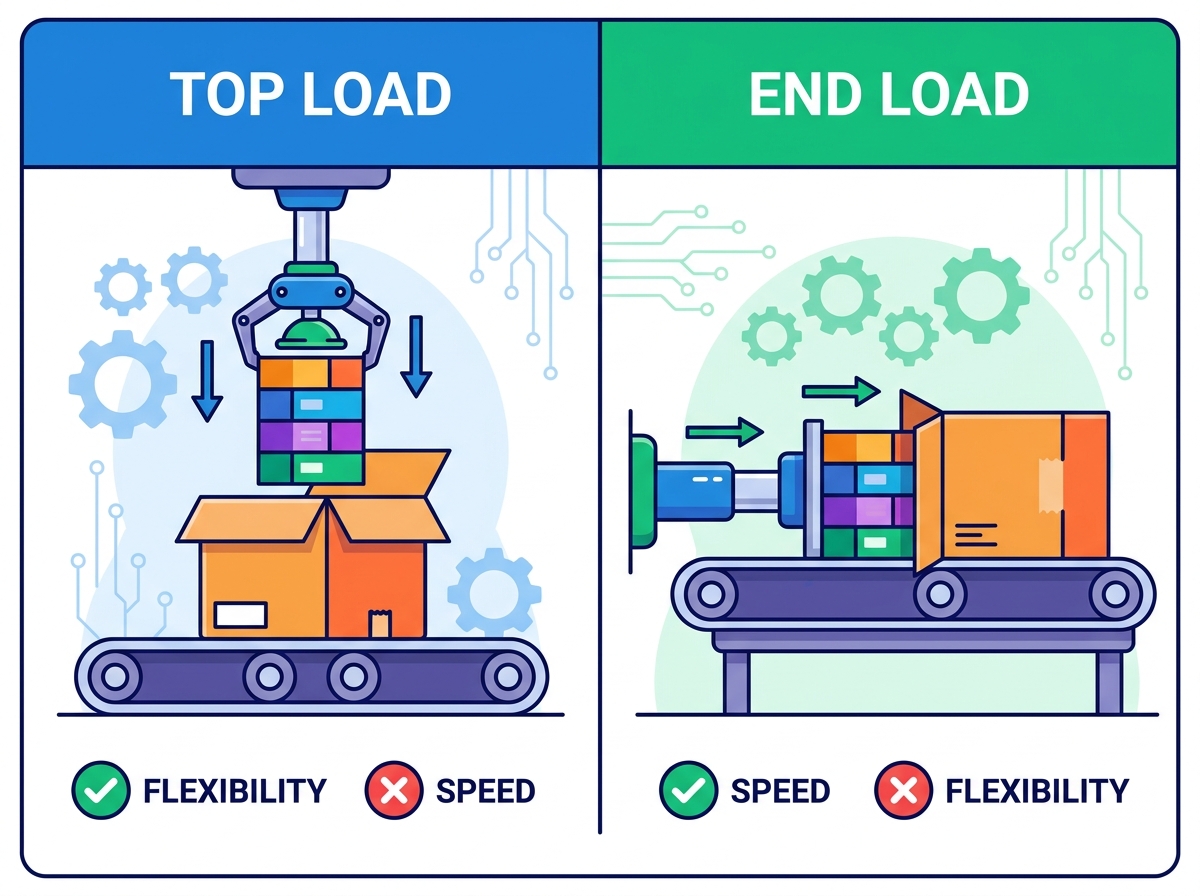
The sequence begins by feeding flat blanks from a magazine. A vacuum pick-and-place mechanism pulls a single blank and positions it over a forming cavity. A mechanical plunger, driven by a servo motor or pneumatic cylinder, pushes the blank down through the die. This action folds the side and end panels upward, creating an open-top tray or carton. The erected carton then indexes to the loading station.
Vertical product loading follows. This can be achieved via manual labor, gravity feeds, or delta robot pick-and-place systems. For automated loading, a vision system identifies the product on the infeed tracking belt. The delta robot uses specialized end-of-arm tooling (EOAT), such as vacuum cups or mechanical grippers, to pick up the product and lower it gently into the open carton. The robot tracks the moving carton to ensure precise placement without stopping the line.
Finally, the machine folds the flaps and secures them. For tri-seal cartons, hot melt glue is applied to the side and front flaps before mechanical plows fold them down and compression rollers secure the bond. For tuck-style cartons, mechanical fingers guide the flaps into the slots. The finished carton is then discharged onto the outfeed conveyor.
Top load systems provide gentle and flexible product handling. They are ideal for delicate, sticky, or irregularly shaped items like baked goods, pouches, and IV bags. Gravity assist and robotics eliminate the friction-inducing pushing forces that cause product damage. You drop the product in; you do not force it.
These machines excel at multi-component kitting. You can drop different components into a single open-top carton sequentially or simultaneously. For example, a meal kit might require a pouch of rice, a packet of seasoning, and a folded instruction card. A top load system allows multiple robotic stations or manual operators to add these items as the carton indexes down the line.
The open-top design also provides superior ergonomics. It offers excellent access for manual loading, inspection, or quality control intervention. If a product is misaligned, an operator can easily reach in and correct it before the carton closes. Flat blanks are also significantly cheaper to procure, ship, and store in bulk compared to pre-glued sleeves, reducing your packaging material overhead.
Speed is mechanically governed by vertical pick-and-place cycles and forming plungers. A delta robot can only move so fast before the payload shifts or the vacuum grip fails. This makes top load systems slower than continuous-motion horizontal pushing alternatives. You are typically limited to 120-150 CPM per loading head.
The equipment often requires a wider, modular footprint. You need separate modules for carton forming, loading, and closing. This consumes more floor space than a straight-line end load machine. Achieving high-speed vertical loading generally requires integrated robotic automation, which increases the complexity of the initial setup and requires specialized programming knowledge to maintain.
Tooling costs can be high. Every carton size requires a specific forming die and plunger. Changing over to a new carton size means physically swapping out these heavy metal components, which takes time and requires skilled mechanics.
These machines serve industries requiring delicate handling and complex kitting. Confectionery and bakery applications use them for delicate chocolates, iced pastries, and cookies that would crush under horizontal pressure. Medical device and pharmaceutical sectors rely on them for multi-component surgical kits, vials with inserts, and syringes where precise placement is mandatory.
Fresh and frozen food producers utilize top load systems for multi-pack entrees, delicate produce, and meal kits. Any application where the product cannot support its own weight during a horizontal push is a prime candidate for top load cartoning.

The process starts by extracting pre-glued carton sleeves from a magazine. Rotary vacuum feeds pull the sleeve down and pull it open against a set of erecting lugs on the main carton transport chain. The carton is now open at both ends and travels horizontally down the machine.
Products feed onto an infeed conveyor running parallel to the carton transport chain. A series of smart belts or timing screws aligns the product perfectly with the open carton end. Horizontal product insertion occurs via barrel cam loaders, rotary pushers, or linear product inserters. The pusher extends, sliding the product across a dead plate and into the carton, then retracts quickly.
Once loaded, the machine closes and seals the end-flaps. Mechanical plows fold the minor dust flaps inward. Glue nozzles apply a precise pattern of hot melt adhesive to the major flaps, or mechanical fingers guide the tuck flaps into place. Compression belts hold the glued flaps shut as the carton travels to the outfeed, ensuring a solid bond.
End load systems deliver ultra-high-speed throughput. Capable of continuous motion packaging, these machines frequently reach speeds exceeding 300 to 400 CPM. Because the carton and the product never stop moving, you achieve massive production volumes. This is essential for high-speed flow wrapping or bottling lines.
They feature a compact, linear, straight-line configuration. The magazine, loading station, and closing section are all in one line. This integrates seamlessly into narrow factory aisles and simplifies the layout of your packaging hall.
The simplified mechanical motion relies on continuous rotary or linear pushers rather than complex multi-axis vertical pathways. This mechanical simplicity often translates to high reliability when running uniform, rigid products. The continuous motion reduces wear and tear compared to the violent start-and-stop action of intermittent machines.
Horizontal pushing forces can damage non-rigid, soft, or sticky products. If a pouch sags or a blister pack catches on the open dust flap during entry, it will crumple, causing a massive jam inside the machine. You must have a rigid product or a tightly controlled product presentation to succeed with end loading.
The machines are highly sensitive to warped carton sleeves or poor converter glue lines. If the pre-glued sleeve is glued out of square, the rotary feeder will fail to erect it properly. This leads to extraction jams and wasted materials. You are entirely dependent on the quality control of your carton supplier.
Loading multi-component kits is extremely difficult. You cannot easily push three loose items into a carton simultaneously. The products must be pre-collated, trayed, or wrapped before the pushing phase, which requires additional upstream equipment.
End load machines dominate high-volume sectors where products are uniform and rigid. Frozen food applications include frozen pizzas, single-serve dinners, and meat patties. Consumer packaged goods utilize them for cereal boxes, bar soaps, and facial tissues.
Pharmaceutical applications include blister packs, single bottles, and tube packaging. Any high-speed line producing a single, solid item per carton will benefit immensely from the throughput capabilities of an end load cartoner.

Evaluation Criteria | Top Load Cartoning Machines | End Load Cartoning Machines |
|---|---|---|
Primary Carton Style | Flat carton blanks (tray, tri-seal, hood) | Pre-glued carton sleeves |
Loading Direction | Vertical (top-down via gravity or robotics) | Horizontal (side-push via barrel cam or mechanical pusher) |
Maximum Output Speed | Lower to Moderate (up to 120-150 CPM typically) | High to Ultra-High (up to 300 - 400+ CPM continuous) |
Format Flexibility | High (handles variable pack counts, multi-component kits) | Moderate (best for uniform, single, or pre-collated products) |
Footprint Configuration | Modular, wider, and non-linear | Compact, long, and linear |
Risk of Product Damage | Minimal (gentle pick-and-place or gravity placement) | Moderate (risk of collision during horizontal pushing) |
Maximum CPM thresholds dictate where the transition from intermittent to continuous motion becomes necessary. If your production demands exceed 150 CPM, you are generally forced into continuous motion end load designs. End load designs scale efficiently for high-volume, uniform products by upgrading flighted conveyors and utilizing multi-head barrel cam pushers.
Top load systems scale differently. To increase throughput, you cannot simply speed up a single robot arm indefinitely. You scale by adding multiple robotic arms or gantries in series over the carton transport conveyor. This increases pick-and-place capacity and maintains flexibility, but it significantly increases the machine's footprint and capital cost.
You must evaluate your five-year production forecast. Buying a machine that maxes out at your current production rate guarantees a bottleneck next year. Always specify equipment with at least 20% headroom for future volume increases.
Physical and mechanical adjustments vary significantly between carton sizes. Manual mechanical scale adjustments require operators to loosen handles, move rails to a specific measurement on a ruler, and retighten them. This introduces human error and requires significant downtime. Automated servo-driven recipe changes controlled via HMI eliminate this. You select the recipe, and the servos automatically drive the rails, pushers, and plows to the exact position.
Integrating Single-Minute Exchange of Die (SMED) operational targets minimizes downtime during SKU transitions. You achieve this by utilizing tool-less changeover points, quick-release pins, and color-coded change parts. Top load machines require swapping the forming die and plunger, which can be heavy. End load machines require adjusting the magazine guides, rotary feeder suction cups, and transport lug spacing.
A poorly designed changeover process can cost you hours of production time every week. Demand a demonstration of a full size changeover during the factory acceptance test (FAT) to verify the manufacturer's claims.
Machine types handle variations in paperboard quality differently. Recycled board or lightweight board stocks often lack the rigidity of virgin fibers. This can cause feeding issues. In top load machines, lightweight flat blanks might buckle under the plunger. In end load machines, lightweight sleeves might tear during rotary extraction.
Moisture and humidity variations in cold-room packaging environments affect the rigidity of pre-glued sleeves more severely than flat blanks. The moisture softens the board, causing the sleeves to warp in the magazine. This impacts extraction and erecting reliability, leading to frequent misfeeds. Flat blanks are generally more forgiving of environmental moisture.
If you plan to transition to sustainable, recycled materials, you must test these materials extensively on the specific machine style before purchase. Do not assume a machine that runs virgin board flawlessly will handle recycled board with the same efficiency.
Integrating upstream vision-guided systems, smart-belt collators, and race-track product grouping mechanisms requires precise synchronization. The cartoner's PLC must communicate seamlessly with the upstream equipment to match speeds and handle surge conditions. If the flow wrapper speeds up, the cartoner must follow suit instantly.
Machine configurations must interface seamlessly with downstream equipment like checkweighers, metal detectors, case packers, and robotic palletizers. You need to establish clear handshake protocols between the machines. If the case packer jams, it must send a signal to the cartoner to pause, preventing a massive pileup of finished cartons on the outfeed conveyor.
Standardizing your control platforms (e.g., using Allen-Bradley or Siemens across the entire line) simplifies this integration and makes troubleshooting significantly easier for your maintenance team.
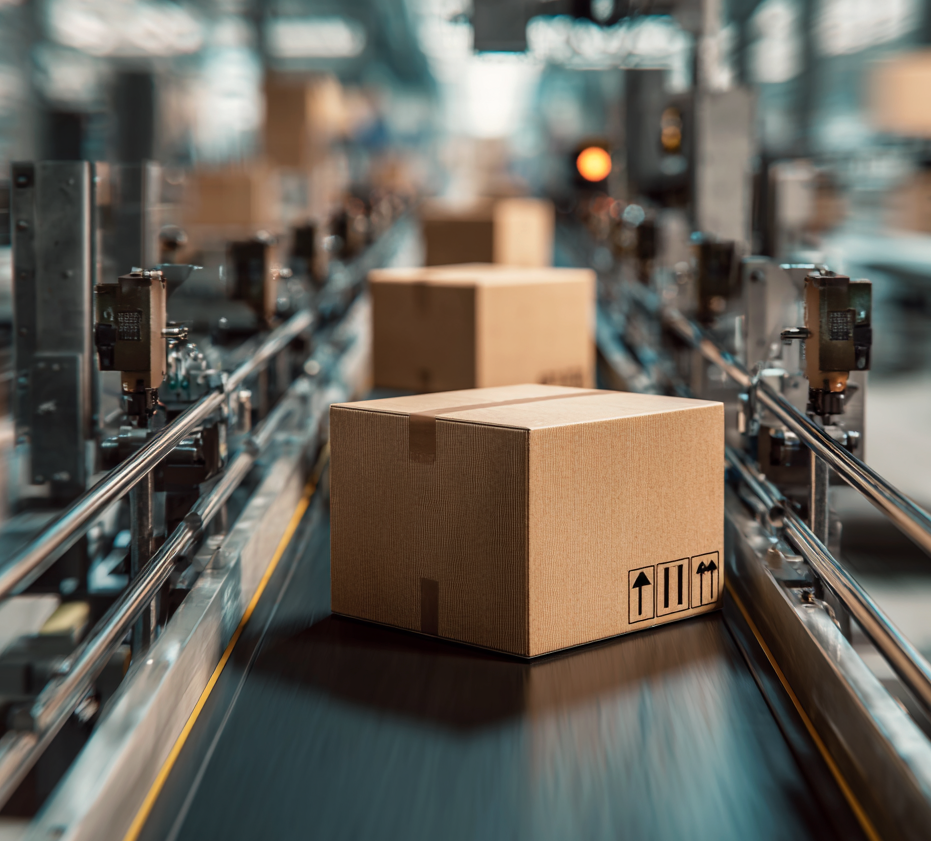
Common failure points in end load systems include flap tucking failures, misaligned pushers, and collapsed carton sleeves. If a pusher hits a misaligned product, it crushes it against the carton face. Top load systems face drop-timing errors, vacuum failures on pick-and-place heads, and improper flat-blank alignment in the forming die.
Mitigating these issues requires extensive sensor integrations. You must install no-product/no-carton sensors. If a carton fails to erect, the machine must not attempt to load a product into an empty space. Rotary encoder verification ensures all mechanical movements are perfectly timed. Low-vacuum sensors on the robotic EOAT or rotary feeders alert the PLC if a grip fails, allowing the machine to reject the fault rather than crashing.
Downstream backup detection is critical. Photoelectric sensors on the outfeed conveyor monitor for blockages. If cartons back up, the sensor triggers a machine stop before the jam reaches the closing section and causes mechanical damage.
Inspection cameras and vision systems verify barcode matches, ensuring the correct carton is used for the product. They verify lot and expiry date presence via OCR/OCV (Optical Character Recognition/Verification). They also inspect the final carton to ensure flaps are properly glued and tucked.
Inline reject mechanisms isolate defective cartons automatically without stopping the continuous line. Air blasts work well for lightweight cartons. High-speed pneumatic pushers or drop-down reject conveyors are necessary for heavier products. The reject station must be equipped with a verification sensor to confirm the defective carton actually entered the reject bin.
Failing to implement automated quality control means relying on manual inspection, which is prone to fatigue and error at high speeds. Automated rejection protects your brand from shipping empty, open, or mislabeled cartons.
Training curves differ drastically. Mechanical horizontal pushers require mechanics who understand cams, chains, and timing belts. Multi-axis robotic programmers are required for top load systems. You must assess your maintenance team's current skill set and budget for the necessary training.
Proper guarding, interlocks, and ergonomic loading heights ensure safety compliance and reduce operator fatigue. Magazine loading heights should be between 36 and 42 inches to prevent back strain. Safety interlocks on all access doors must immediately dump pneumatic pressure and kill servo power if opened during operation.
Do not underestimate the human element. A machine is only as efficient as the operators running it. Clear standard operating procedures (SOPs) and visual troubleshooting guides mounted directly on the machine frame will drastically reduce downtime.
Selecting between top load and end load cartoning machines depends on your product characteristics, packaging requirements, production targets, and factory layout. By carefully evaluating product handling methods, packaging materials, automation requirements, and future expansion plans, manufacturers can invest in a cartoning solution that maximizes efficiency, minimizes downtime, and delivers long-term operational value.
To make the right equipment investment, consider the following recommendations:
Analyze your product characteristics to determine whether vertical loading or horizontal pushing is the most suitable handling method.
Evaluate production capacity, changeover frequency, and future expansion plans before selecting a machine configuration.
Verify compatibility between carton materials, automation systems, and upstream/downstream packaging equipment.
Conduct comprehensive Factory Acceptance Tests (FAT) using your actual products and packaging materials before final equipment approval.
With years of expertise in pharmaceutical packaging equipment and intelligent automation solutions, Chengda has become a trusted manufacturer of advanced blister packaging machines, cartoning machines, and complete pharmaceutical packaging lines for customers worldwide. Combining continuous technological innovation, precision manufacturing, and strict quality management, the company delivers reliable packaging equipment that meets the demanding standards of the pharmaceutical, healthcare, food, and consumer goods industries.
From top load and end load cartoning machines to blister packaging systems, case packers, and fully integrated packaging solutions, Chengda provides comprehensive equipment, customized production line design, technical consulting, installation support, and long-term after-sales service. With a strong focus on automation, production efficiency, and sustainable manufacturing, Chengda helps customers build smarter, more efficient, and highly reliable packaging lines for long-term business growth.
A: Top load cartoners erect flat blanks and load products vertically using gravity or robotics. End load cartoners erect pre-glued sleeves and push products horizontally into the open end.
A: Top load machines are superior for fragile products because they use gentle vertical placement or gravity, eliminating the horizontal pushing forces that can cause damage.
A: It is difficult. End load machines require products to be pre-collated or trayed before insertion. Top load machines are much better suited for multi-component kitting.
A: End load cartoning machines are generally faster, often utilizing continuous motion to achieve speeds exceeding 300 to 400 cartons per minute.
A: End load systems typically have a compact, linear footprint. Top load systems usually require a wider, modular footprint to accommodate forming, loading, and closing stations.
A: Pre-glued sleeves cost more to procure and ship because the converter performs the gluing step. Flat blanks are cheaper but require the cartoner to form the box entirely.