English
Views: 0 Author: Site Editor Publish Time: 2026-09-21 Origin: Site


High-volume pharmaceutical manufacturing requires packaging operations that can match upstream processing speeds without compromising seal integrity or batch traceability. Scaling solid dose packaging introduces friction between theoretical maximum throughput and actual Overall Equipment Effectiveness (OEE). Manufacturers struggle with extended changeover times, high scrap rates during ramp-up, and integration bottlenecks with downstream cartoning.
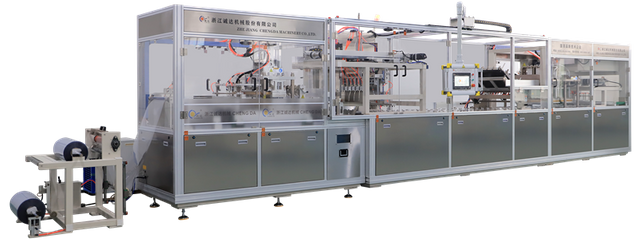
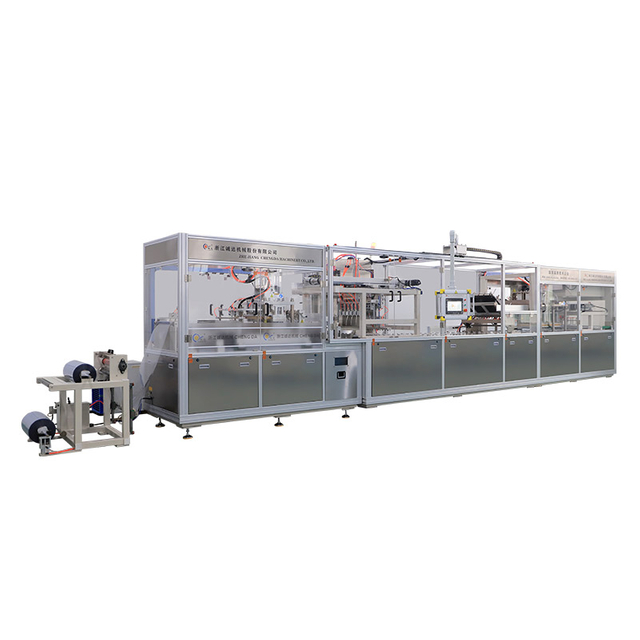
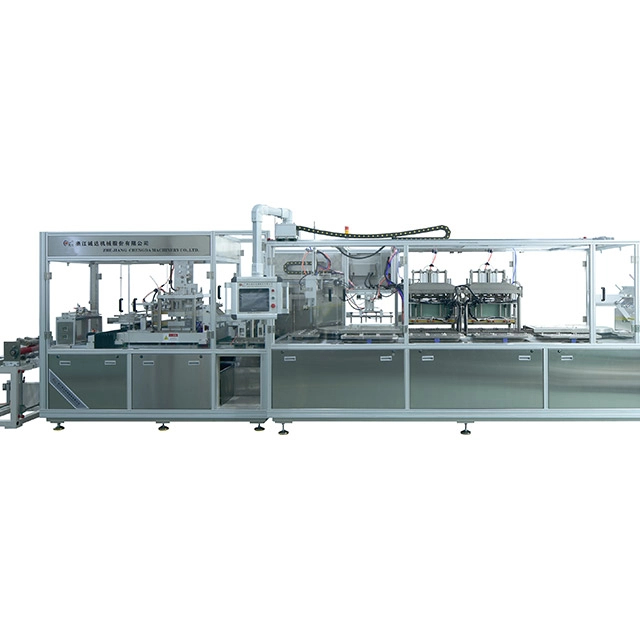
Selecting the right high-speed equipment requires moving beyond spec-sheet maximums to evaluate continuous versus intermittent motion, tooling configurations, feeding system reliability, effective forming areas, and validation requirements. This guide provides a technical framework for evaluating and shortlisting enterprise-grade packaging equipment. Integrating a high-performance Blister Machine transforms production efficiency, minimizes material waste, and ensures compliance with global pharmaceutical standards.
Throughput vs. Yield: Maximum output speeds (e.g., 16 meters/minute or 1,300 blisters/minute) must be weighed against material scrap rates and reject percentages during continuous operation.
Motion Architecture Dictates Application: Continuous motion rotary sealing excels in high-volume, single-format runs, while intermittent platen sealing offers the dwell time necessary for complex Alu/Alu cold forming.
Forming Area Efficiency: High output isn't just about linear speed; maximizing the effective forming area and optimizing forming cycles per minute are critical for increasing yield without overstressing packaging materials.
Changeover Efficiency: Fully automatic blister machines with tool-less format changeovers and servo-driven adjustments are critical for facilities managing high product mixes.
Compliance and Integration: Enterprise blister machines must natively support global GMP standards, 21 CFR Part 11 compliant data logging, integrated vision inspection, and seamless handoffs to downstream cartoning units.
Table of Contents
Mechanical speed means nothing if the machine stops every five minutes. You must define the difference between theoretical mechanical speed and effective output. Micro-stops destroy throughput. Feeding jams cause cascading delays across the entire line. Splicing times eat into active production hours. We define effective output by measuring good, sealed, and verified blisters at the end of the shift. You must establish strict baseline OEE targets before evaluating new equipment.
A machine rated for 1,000 blisters per minute operating at 60% OEE yields less usable product than an 800 blister-per-minute machine running at 90% OEE. Focus on minimizing downtime events. Track the frequency of foil breaks. Monitor the exact duration of roll changes. These metrics reveal the true operational capacity of the packaging line. Operators need equipment that recovers quickly from faults. When a splice passes through the forming station, the machine should automatically track that splice, reject the affected blisters, and resume normal operation without requiring a manual reset.
Production Metric | Theoretical Capacity | Actual Output (85% OEE) | Primary Downtime Causes |
|---|---|---|---|
High-Speed Continuous Line | 1,200 blisters/min | 1,020 blisters/min | Foil splicing, feeder jams, vision rejects |
Intermittent Alu/Alu Line | 600 blisters/min | 510 blisters/min | Pin alignment faults, web tension drops |
Hybrid Multi-Format Line | 800 blisters/min | 680 blisters/min | Format changeovers, cartoner synchronization |
Dedicated lines run one product continuously. They maximize speed for blockbuster drugs. You set the machine once, validate the parameters, and run it for months. Flexible machines handle frequent format changes. They require tool-less changeovers and modular feeding stations. You must analyze these trade-offs carefully. A dedicated high-speed line sits idle if product demand drops. A highly flexible machine might sacrifice top-end speed for versatility.
Facilities managing high product mixes need rapid changeovers. Operators should switch from a small tablet PVC blister to a large capsule Alu/Alu blister rapidly. Evaluate the physical weight of the format parts. Heavy aluminum tooling requires mechanical hoists. Lightweight, modular tooling allows single-operator changeovers. A standard tool-less changeover sequence involves specific, repeatable steps:
Purge the feeding hopper and clear all product tracks.
Release the pneumatic clamps on the forming station.
Swap the upper and lower heating plates.
Exchange the rotary sealing roller or flat platen.
Load the new punching tool and connect the cooling lines.
Thread the new forming and lidding foils through the tensioners.
Run a manual index cycle to verify web alignment.
Machine capabilities must match required barrier properties. Standard PVC/Alu runs fast and hot. The material stretches easily and seals quickly. High-barrier PVC/PVDC/Alu requires precise temperature control. Excessive heat degrades the PVDC layer, turning it yellow and destroying its moisture barrier. Alu/Alu cold form foils demand high pressure and longer dwell times. You cannot stretch aluminum; you must stamp it.
You must specify these material requirements early in the procurement phase. Material selection dictates the heating and sealing architecture. Some machines struggle to maintain uniform heat across wide webs. Others lack the mechanical force required for deep-draw cold forming. Ensure the equipment handles the specific foil thicknesses and polymer blends required for your stability protocols. If your product requires Aclar film, the forming station must deliver highly controlled, multi-stage heating to prevent the film from shrinking before it hits the forming die.
R&D testing helps establish key packaging parameters such as sealing temperature, dwell time, and forming pressure. When moving to high-speed production, these settings may need adjustment because faster web speeds change heating and forming conditions. The blister machine should provide stable temperature and pressure control to maintain consistent forming and sealing quality during production.
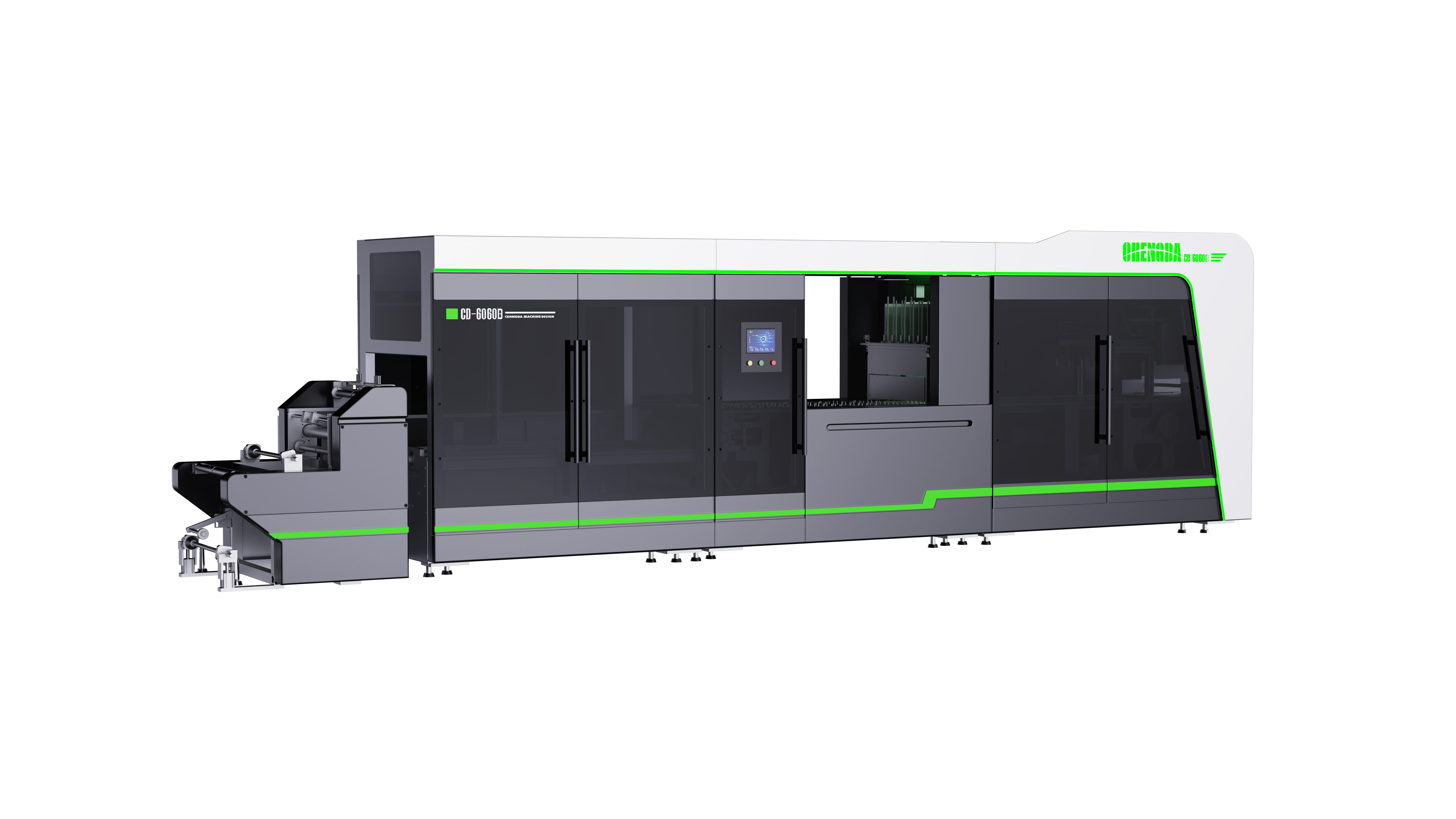
Continuous motion systems utilize rotary sealing and continuous web feeding. The foil web never stops moving. The machine operates independently from feeding to discharging. Operators do not need to intervene during normal production. These systems represent the pinnacle of high-volume standard thermoforming. They easily package flat tablets and standard capsules. Maximum speeds frequently exceed 1,000 blisters per minute.
The continuous flow minimizes mechanical wear on web tensioners. Because the web does not stop and start, the foil experiences less sheer stress. However, continuous motion has limitations. It is less suitable for complex cavity shapes. Heavy cold-forming applications require extended sealing dwell times. A rotating sealing roller provides only a fraction of a second of contact. This brief contact cannot always guarantee hermetic seals on thick aluminum laminates. If you run a high-volume, single-product PVC line, continuous motion is the correct choice.
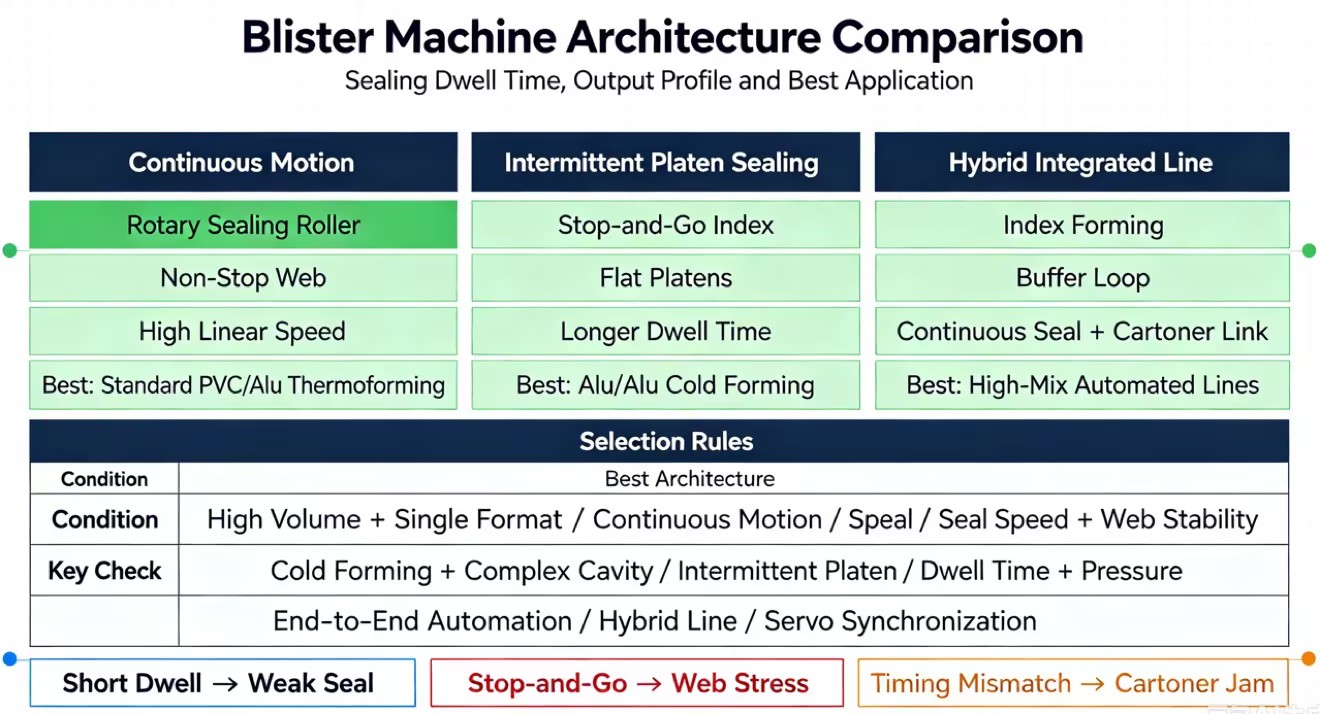
Intermittent motion systems rely on stop-and-go web indexing. The web advances, stops in the sealing station, and flat platens press together. This architecture provides the extended dwell time necessary for complex applications. It is the best fit for Alu/Alu cold forming. Complex medical devices and large oblong capsules also benefit from platen sealing. The flat plates deliver high pressure evenly across the entire web.
The primary limitation is a lower maximum linear throughput compared to continuous motion counterparts. The mechanical stopping and starting limits web speed. Manufacturers offset this speed reduction by utilizing larger multi-lane web widths. A wide web pushing multiple blisters per index achieves high overall output despite the slower linear speed. Platen sealing also allows for complex knurling patterns on the seal, which can improve child-resistant peel-push functionalities.
Hybrid blister lines combine intermittent forming with continuous sealing to support complex blister formats at higher production speeds. A buffer system connects the forming and rotary sealing sections, while servo controls synchronize blister discharge with downstream cartoning. Automated transfer systems can then move finished blisters directly into the cartoner for continuous packaging.
Architecture Type | Sealing Mechanism | Primary Application | Speed Profile | Key Limitation |
|---|---|---|---|---|
Continuous Motion | Rotary Roller | Standard Thermoforming (PVC/Alu) | Very High (1,000+ blisters/min) | Poor for deep cold-forming |
Intermittent Motion | Flat Platen | Alu/Alu Cold Forming, Medical Devices | Moderate (Offset by wider webs) | Slower linear web speeds |
Hybrid Systems | Intermittent Form / Rotary Seal | High-Mix Automated Lines | High | Complex synchronization required |
A larger forming area allows more blisters to be produced in each cycle, supporting high output at lower web speeds. Wider webs can also support multi-lane production but require stable cutting and transfer systems. The punching station should provide sufficient force to cut the packaging material cleanly and help prevent burrs or blister edges from causing problems during downstream cartoning.
The feeding system should match the product’s shape and handling requirements. Brush feeders are commonly used for standard tablets, vibratory feeders for capsules and coated tablets, and tube feeders for fragile or irregular products. Servo-controlled systems help maintain stable web tension and synchronize feeding, forming, and sealing for consistent blister production.
Thermoforming uses controlled heating to soften PVC before forming the blister cavities. Multi-zone heating helps maintain even temperatures and consistent cavity thickness. Alu/Alu cold forming uses forming pins and mechanical pressure instead of heat to shape the aluminum laminate. Accurate web positioning and a stable forming station help prevent foil damage and maintain consistent blister quality.
Inline vision systems use high-speed cameras to detect empty cavities, broken products, color differences, and other defects before sealing. The PLC tracks defective blisters and automatically sends them to a reject bin while normal production continues. This automated inspection and rejection process supports consistent product quality and GMP-compliant production.
Draft a User Requirement Specification (URS) detailing your exact foil laminates, product dimensions, and target output speeds.
Calculate your weekly format changeover frequency to determine if you need a dedicated continuous line or a flexible intermittent machine.
Request verifiable OEE data and reference cases from equipment vendors based on your specific blister layout.
Schedule material trials on the vendor's test equipment using your actual production film to guarantee forming and sealing compatibility.
A: Maximum speeds depend on the machine architecture and packaging material. Continuous motion rotary machines handling standard PVC/Alu thermoforming can exceed 1,000 to 1,300 blisters per minute. Intermittent platen machines running complex Alu/Alu cold forming typically operate at lower linear speeds but maintain high output through wider multi-lane webs.
A: A larger effective forming area allows the machine to punch more blisters per cycle. This enables high total throughput while keeping the linear web speed lower. Slower web speeds reduce mechanical stress on the foil, prevent micro-fractures, and provide longer sealing dwell times for better barrier integrity.
A: Continuous motion machines feed the web without stopping, using rotary rollers for sealing, making them ideal for high-speed thermoforming. Intermittent machines use a stop-and-go indexing motion with flat platens for sealing. This provides the high pressure and extended dwell time required for Alu/Alu cold forming.
A: Modern high-speed machines feature tool-less, modular format parts. A well-trained single operator can typically complete a full format changeover—switching forming dies, feeding channels, sealing plates, and cutting tools—in 30 to 45 minutes. Servo-driven automated adjustments further reduce manual calibration time.
A: Yes, many modern intermittent and hybrid machines handle both. They feature modular stations where operators swap thermoforming heating plates for cold-forming Teflon pins. Running Alu/Alu generally requires a slower cycle time on the same machine due to the required forming pressure and dwell time.
A: The biggest impacts on OEE are format changeover times, material splicing durations, and micro-stops caused by feeding jams. Unreliable product feeding, poor foil tension causing seal failures, and operator errors during ramp-up also significantly degrade effective output. Minimizing these downtime events is critical for high OEE.