English
Views: 0 Author: Site Editor Publish Time: 2026-08-27 Origin: Site


In medical device and healthcare manufacturing, packaging acts as a critical component of the product itself. It directly impacts sterility, shelf life, and ultimate patient and provider trust. A compromised seal renders a life-saving surgical instrument unusable. Manufacturers face the dual challenge of adhering to stringent regulatory standards, including ISO 11607 and FDA guidelines, while optimizing production throughput. You must minimize material waste and manage long-term operational expenses for your packaging lines without sacrificing quality.
Selecting the appropriate packaging infrastructure requires a rigorous evaluation of in-house Blister Machines versus outsourced packaging services. This decision shapes your production agility and compliance posture for years. We break down the technical criteria, operational trade-offs, and risk mitigation strategies necessary to make a defensible, compliance-driven procurement decision.
Compliance is Non-Negotiable: Any blister packaging solution must support rigorous IQ/OQ/PQ validation processes and integrate seamlessly into cleanroom environments.
Volume Dictates Architecture: Small blister packaging machines offer agility for low-volume, high-mix surgical devices, whereas high-speed, multi-lane systems are required for mass pharmaceutical production (e.g., tablets, capsules, and gels).
Material Versatility Matters: The ability to handle diverse formable webs (thermoformed plastic, cold-form foil) and lidding materials (Tyvek, medical-grade paper) determines a machine's long-term utility.
Total Cost Extends Beyond CapEx: Evaluating blister machines requires factoring in tooling changeover times, maintenance downtime, and integrated quality control systems alongside the initial purchase price.
Table of Contents
Maintaining a sterile barrier system (SBS) is the foundational requirement of medical packaging. Under ISO 11607 standards, the packaging process must be validated to prove that the seal remains intact from the point of manufacture to the point of use. This standard dictates that your equipment must deliver absolute repeatability. Sealing temperature, pressure, and dwell time cannot fluctuate beyond tightly defined tolerances. If the equipment fails to maintain these parameters, the sterile barrier is compromised, risking patient safety and triggering product recalls.
Executing Installation Qualification (IQ), Operational Qualification (OQ), and Performance Qualification (PQ) demands precise machine controls. IQ verifies utility connections like clean dry air (CDA) pressure and voltage stability. OQ tests the upper and lower limits of your sealing temperatures to establish a validated operating window. PQ runs continuous batches to prove long-term stability. You must calibrate thermocouples and pressure transducers annually to maintain this validated state.
Modern healthcare packaging environments require strict adherence to FDA 21 CFR Part 11 compliance. This regulation governs electronic records and electronic signatures. Within machine software, you must have secure audit trails and automated data logging. The Human Machine Interface (HMI) must record every parameter adjustment, capturing who made the change, what was changed, and when it occurred. Baseline expectations for cleanroom compatibility are equally stringent. Equipment operating in ISO Class 7 or Class 8 cleanrooms must minimize particulate generation. This requires 304L or 316L stainless steel construction with smooth, sloped surfaces. Pneumatic cylinders and vacuum pumps must be properly vented or equipped with HEPA filters to prevent exhausting contaminants directly into the sterile manufacturing environment.
Medical devices require robust physical protection to survive global transit networks. Custom rigid medical packaging and blister packs must pass rigorous drop and vibration testing, often adhering to ISTA standards. Heavy orthopedic screws, sharp surgical scalpels, and delicate diagnostic microfluidics demand specific structural support. The formed cavity must cradle the device securely, preventing movement that could puncture the lidding material from the inside out. The draft angle of the blister cavity directly affects material thinning. A steep draft angle causes the plastic to thin out at the corners, creating weak points susceptible to impact damage.
Optical clarity in thermoformed plastics plays a vital role in clinical settings. Healthcare providers rely on immediate visual verification of product integrity. Nurses and surgeons must identify the correct instrument, verify its size, and inspect for visible defects before breaking the sterile seal. High-clarity materials like PETG or APET allow for this rapid visual assessment, reducing errors in high-pressure operating room environments.
Tamper-evident features and pristine presentation directly impact end-user safety. A package that shows clear evidence of tampering prevents the use of compromised devices. The physical appearance of the package builds provider confidence. A cleanly cut, perfectly sealed, and visually flawless blister pack communicates manufacturing excellence. It reassures the medical professional that the device inside meets exact quality specifications.
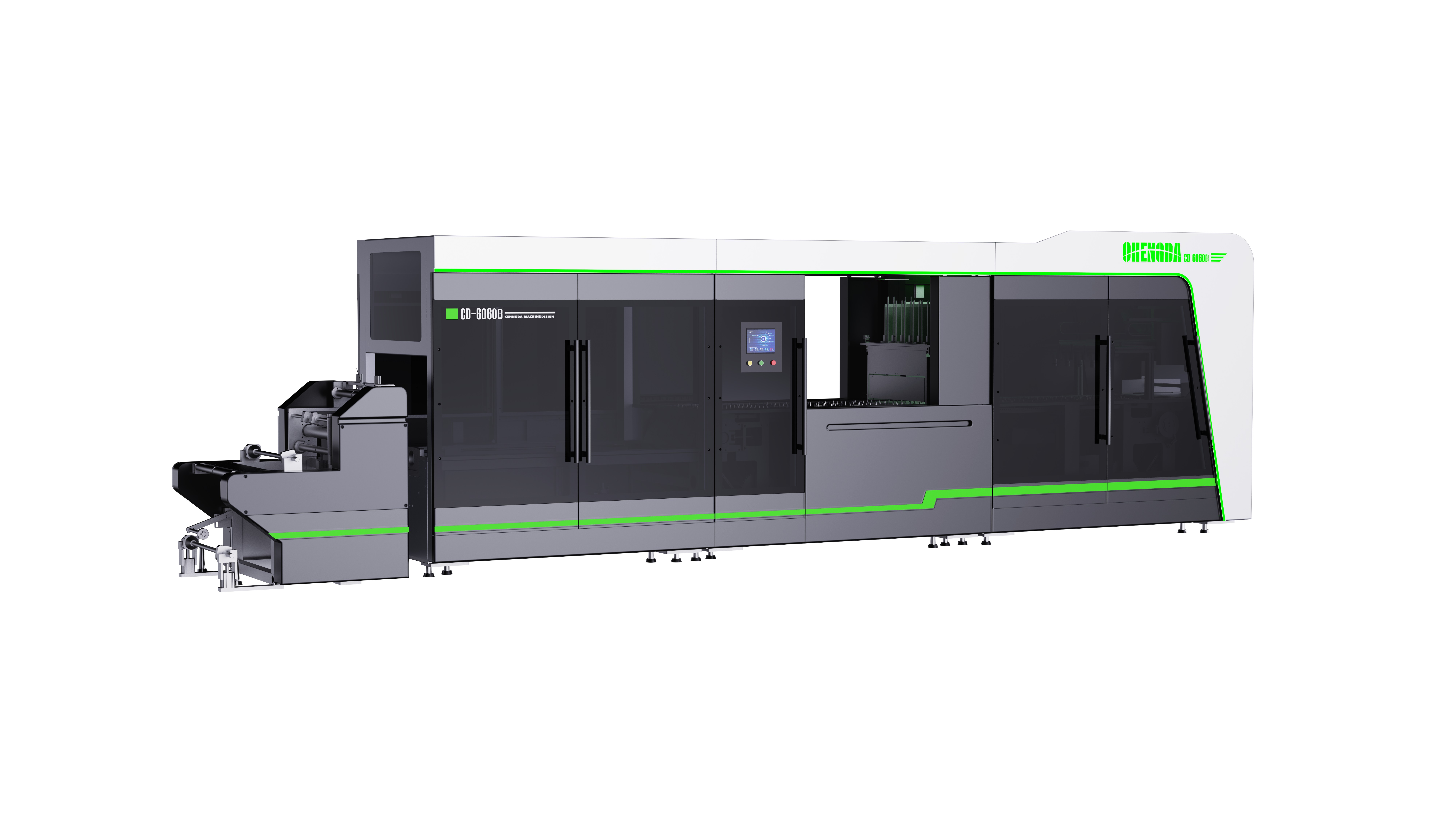
Understanding the distinction between thermoforming and cold forming dictates your equipment selection. Thermoforming uses heat to soften plastic webs, such as PVC, PETG, or APET. Once softened, compressed air and mechanical plug assists push the plastic into a mold to shape the cavity. The plug assist uses a Teflon-coated mechanical plug to pre-stretch the heated plastic before air pressure is applied, preventing webbing and ensuring uniform wall thickness. Cold forming uses mechanical force to stamp aluminum-based laminates into shape without heat. Matched metal tooling physically deforms the foil.
The primary difference lies in barrier properties. Cold forming provides an absolute barrier. It offers near-zero moisture and oxygen transmission rates (MVTR/OTR), protecting highly sensitive products from environmental degradation. Thermoformed plastics have higher transmission rates, meaning moisture and oxygen will eventually permeate the package over time, affecting shelf life.
You must match the technology to the specific medical device profile. Surgical instruments, syringes, and catheters require visibility, making thermoforming the standard choice. Moisture-sensitive diagnostics, rapid test kits, and active pharmaceutical ingredients require the absolute barrier protection of cold-formed foil. Foil has no memory, so it retains its stamped shape, but it cannot form sharp 90-degree angles without fracturing.
Feature | Thermoforming (Plastic) | Cold Forming (Foil) |
|---|---|---|
Forming Method | Heat, compressed air, plug assist | Mechanical stamping (matched metal tooling) |
Barrier Properties (MVTR/OTR) | Moderate to High (permeable over time) | Near-Zero (absolute barrier) |
Visual Clarity | High (transparent) | None (opaque) |
Common Materials | PVC, PETG, APET, PP | Alu-Alu laminates |
Ideal Use Cases | Surgical instruments, syringes, vials | Moisture-sensitive diagnostics, pills |
Medical packaging utilizes highly specialized lidding materials. Porous substrates like Tyvek (specifically grades 1073B or 1059B) and medical-grade kraft paper allow sterilizing gases, such as Ethylene Oxide (EtO), to penetrate the package while maintaining a microbial barrier. Handling these materials requires precise thermal engineering. The sealing plates must distribute heat evenly to activate the adhesive coating without melting the delicate Tyvek fibers. If the heat is too high, the adhesive boils and creates pinholes. If it is too low, you get a weak seal that fails standard peel strength testing (e.g., ASTM F88).
Tension control and web tracking mechanisms are critical components of high-performance Blister Machines. As the formable web moves through the heating, forming, and sealing stations, it undergoes mechanical stress. Precise servo-driven tension control prevents the material from warping or stretching out of alignment. Proper web tracking stops micro-fractures from occurring during the forming process, which is especially important when handling brittle materials or complex cavity geometries.
The industry is shifting toward sustainable, recyclable formable webs, such as mono-material PET structures. Equipment must possess the thermal flexibility to handle these newer, narrower-spec materials. Machines must also adapt to smart packaging integrations, such as embedding RFID tags or printing QR codes directly onto the lidding for improved supply chain traceability.
The architecture of small blister packaging machines prioritizes agility over raw speed. These compact, semi-automated systems are engineered for clinical trials, low-volume custom rigid medical trays, and specialized surgical devices. They feature platen sealing mechanisms—flat plates pressing together—that provide extended dwell times. This ensures robust seals for complex medical trays. Their primary advantage is the ability to execute rapid tooling changeovers, allowing manufacturers to run multiple different product SKUs in a single shift.
Continuous-motion, multi-lane systems are built for mass-market pharmaceuticals. These high-speed machines utilize rotary sealing technologies to process hundreds of blisters per minute. Heated cylinders roll against each other, requiring precise synchronization of the web speed and cylinder rotation. They are designed to run continuously for days, packaging high volumes of tablets, capsules, hard gels, and soft gels.
Defining the threshold metrics to justify upgrading from semi-automatic to fully automated systems requires analyzing units per minute, batch sizes, and labor costs. If your batch sizes range from 500 to 2,000 units and changeovers are frequent, a low-volume machine yields better operational efficiency. Once production demands exceed 50 to 100 packs per minute consistently, upgrading to a fully automated, multi-lane system becomes an operational necessity.
The speed at which you can change tooling directly impacts your Overall Equipment Effectiveness (OEE). Tool-less or quick-changeover designs are essential for high-mix manufacturing environments. Traditional machines require Allen wrenches, screwdrivers, and hours of waiting for sealing plates to cool down before swapping forming dies. Modern systems utilize quick-release pins, guided slide-in tracks, quick-disconnect pneumatic fittings, and automated recipe recall from the HMI. Reducing changeover time from two hours to twenty minutes dramatically increases machine availability.
You must assess the cost and lead times associated with custom blister tooling. Introducing a new medical device requires new forming dies, sealing plates, and cutting tools. Complex geometries require precision CNC machining. Evaluate whether the equipment vendor provides rapid tooling services or if you must rely on third-party machine shops. Long lead times for tooling severely delay new product introductions.
Operational agility depends on the machine's capacity to handle diverse packaging formats. Machines that offer modular feeding stations provide superior flexibility. You can seamlessly switch between feeding pre-formed plastic trays and executing custom inline thermoforming, adapting to varying supply chain conditions without purchasing dedicated equipment for each format.
Seal integrity serves as the ultimate metric of success in medical packaging. The equipment must provide uniform temperature distribution across the entire sealing plate. Pressure must be applied evenly to prevent weak spots or channeling in the seal flange. Dwell time must be controlled down to the millisecond. Real-time monitoring capabilities are essential; the machine must automatically halt production and alert operators if any parameter drifts outside the validated window.
Integrating automated inline inspection systems elevates quality control from a manual sampling process to a continuous verification system. Vision systems utilize high-resolution cameras to verify print legibility, check lot codes via Optical Character Recognition (OCR), and confirm the correct placement of the device within the cavity. Cameras can also check for hair or particulate on the seal flange before the lidding is applied.
Non-destructive leak testing replaces destructive water bath vacuum chambers. Advanced machines use laser deflection or pressure decay methods to test seal integrity inline. The blister is placed in a localized vacuum; if the blister expands and loses pressure, there is a micro-leak. Defective packs are automatically rejected into a secure bin.
The physical footprint of the machine must be evaluated relative to premium cleanroom floor space costs. Cleanroom real estate is exceptionally expensive to build, maintain, and validate. Compact machine designs that maximize output per square foot provide significant financial advantages. Measure the machine's dimensions, including the required clearance for material roll unwinds and outfeed conveyors, to ensure it fits within your facility's spatial constraints.
Operator ergonomics directly impact daily productivity and safety. Loading zones must be positioned at an accessible height to prevent repetitive strain injuries. The HMI interface should be mounted on a swivel arm for easy viewing from multiple stations. Maintenance access panels must open fully, providing technicians with unobstructed access to pneumatic valves, servo motors, and heating elements. Difficult-to-reach components prolong maintenance downtime.
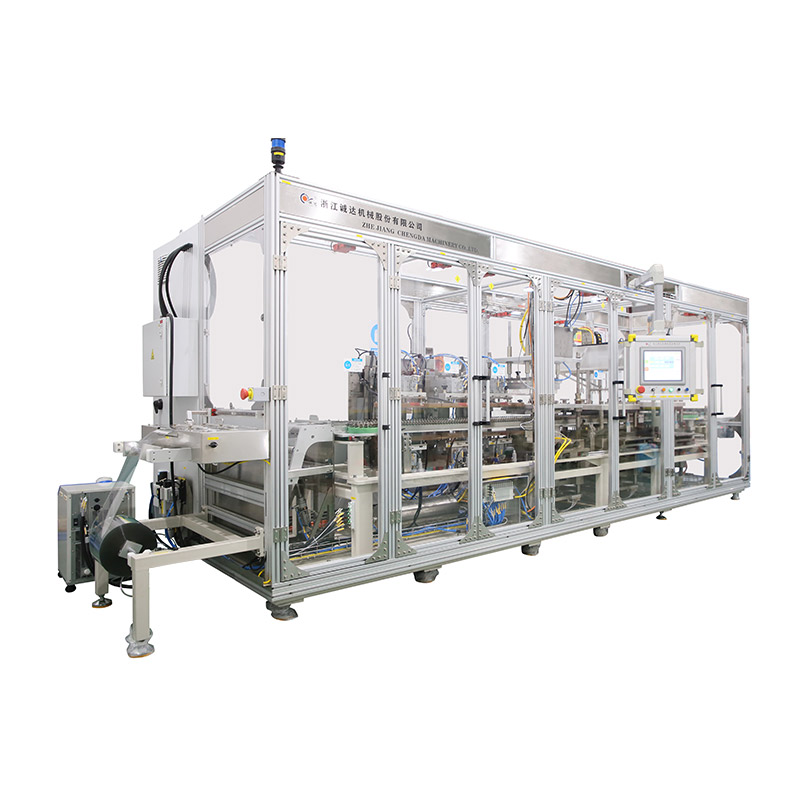
Purchasing packaging equipment requires a significant Capital Expenditure (CapEx). You must calculate the upfront cost of the machine itself, alongside necessary facility modifications. Installing a new line often requires upgrading HVAC systems, running new compressed air lines, supplying chilled water for cooling plates, and reinforcing cleanroom flooring. Validation costs add to the initial CapEx, requiring dedicated engineering hours to execute IQ, OQ, and PQ protocols.
Compare this against the Operating Expenditure (OpEx) model of utilizing contract blister packaging services. Outsourcing shifts the financial burden from upfront capital to a per-unit cost. Contract packagers enforce minimum order quantities (MOQs) and charge setup fees for each batch. Analyze your projected production volumes over a three-to-five-year horizon to determine the break-even point where purchasing in-house equipment becomes more economical than paying contract packaging margins.
Relying on external packaging partners introduces supply chain risks. You compete for machine time with the contract packager's other clients. This causes bottlenecks and extended lead times during peak production seasons. Contract packagers might run your product on the same line as a competitor's, requiring massive line clearance procedures. If a contract packager delays your batch, your hospital delivery schedule is compromised.
Bringing production in-house provides absolute control over production schedules. You can prioritize urgent batches, execute rapid prototyping for new devices, and adjust production runs on demand. In-house packaging secures your intellectual property. Proprietary device handling, unique assembly methods, and confidential product designs remain strictly under your roof.
Outsourcing remains highly advantageous in specific strategic scenarios. Contract packagers are ideal for bridging capacity gaps during the procurement and validation of your own machines, which can take six to twelve months.
Outsourcing is sound when handling highly specialized products that require dedicated infrastructure, such as packing soft gels on multi-lane lines that require specific temperature and humidity controls. Contract partners can facilitate rapid entry into new geographic markets, allowing you to package products locally to meet regional regulatory requirements without building a new facility.
Delays in production due to failed or prolonged validation protocols represent a massive implementation risk. If the machine fails to hold temperature tolerances during OQ, or if the seal strength varies during PQ, you cannot release the equipment for commercial production. These delays burn capital and disrupt market entry.
Require comprehensive Factory Acceptance Testing (FAT) at the vendor's facility before the machine ships. Run your actual materials and products during a 4-hour continuous FAT run to identify mechanical issues early. Demand thorough Site Acceptance Testing (SAT) documentation upon delivery to repeat the performance on your floor with your utilities. Partner with equipment vendors who provide pre-written, execution-ready validation documentation.
Machine downtime caused by shortages or inconsistencies in formable webs and lidding materials is a persistent operational risk. If your primary supplier of medical-grade Tyvek experiences a shortage, your production line halts. Material inconsistencies, such as variations in adhesive coating thickness or plastic web rigidity, cause sudden seal failures on a previously validated machine.
Mitigate this volatility by validating multiple material suppliers during the initial PQ phase. Run qualification batches with materials from at least two different vendors. If you use 15-mil PETG from Supplier A, qualify 15-mil PETG from Supplier B. Ensure that your chosen Blister Machines possess the tolerance flexibility to handle slight material variations without requiring a complete re-validation of the sealing parameters.
Suboptimal machine performance and compromised seals frequently result from operator error or delayed preventative maintenance. If operators do not understand how to properly splice a new roll of material without stopping the machine, scrap rates skyrocket. Neglecting routine maintenance leads to catastrophic component failures and extended downtime.
Mandate rigorous, vendor-supplied training programs for both operators and maintenance technicians. Invest in machines equipped with predictive maintenance alerts. Modern HMIs track the lifecycle of pneumatic cylinders and heating elements, alerting technicians to replace parts before they fail. Utilize remote diagnostic capabilities, allowing the vendor's engineers to troubleshoot software issues securely over the network.
Draft a comprehensive User Requirement Specification (URS) detailing your exact regulatory, spatial, and throughput needs.
Request sample runs from potential vendors using your actual product and material substrates to verify forming and sealing capabilities.
Evaluate the vendor's aftermarket support, focusing on tooling lead times, spare parts availability, and remote diagnostic capabilities.
Initiate Factory Acceptance Testing (FAT) discussions early to ensure validation protocols align with your internal quality management system.
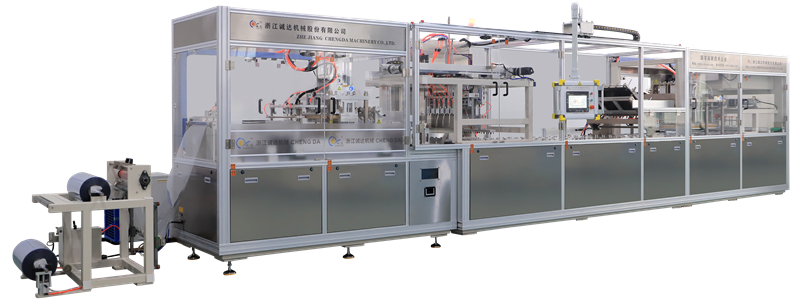
For manufacturers seeking reliable blister packaging equipment, Zhejiang Chengda Machinery Co.,Ltd. specializes in blister machinery solutions for a variety of packaging applications and production requirements. With experience in packaging equipment development and manufacturing, the company supports customers in selecting practical machine configurations that balance packaging quality, production efficiency, and long-term operational needs.
A: Thermoforming uses heat to mold plastic films (like PVC or PETG) into cavities, offering visual clarity for provider verification. Cold forming uses mechanical force to stamp aluminum-based laminates, providing an absolute barrier against moisture and light, but lacking transparency.
A: Medical blister packaging must comply with ISO 11607 standards, which require documented validation of the packaging process (IQ/OQ/PQ) to ensure the sterile barrier system remains intact from sealing through to the point of use.
A: While some advanced machines offer modularity, rigid medical trays typically require deeper draw capabilities and different cutting/sealing mechanisms than standard flexible blister packs. Specialized tooling and machine configurations are usually necessary to handle both effectively.
A: A small blister packaging machine is a compact, often semi-automated system designed for low-volume production, clinical trials, or specialized surgical devices. It provides the same seal integrity as larger machines but prioritizes quick changeovers and lower capital expenditure over high-speed throughput.
A: Modern blister machines ensure seal integrity through precise, recipe-driven control of sealing temperature, pressure, and dwell time. They often integrate inline quality control, such as vision inspection and non-destructive leak testing, to reject defective packs automatically and maintain patient safety.
A: Common formable webs include PETG, APET, and PVC for thermoforming, while lidding materials frequently utilize medical-grade Tyvek, surgical kraft paper, or foil laminates, depending on the required sterilization method (e.g., EtO, Gamma, or Steam).