English
Views: 0 Author: Site Editor Publish Time: 2026-08-27 Origin: Site


The increasing demand for personalized medicine, specialized clinical trials, and niche nutraceuticals has fundamentally shifted packaging requirements from high-volume uniformity to high-mix agility. Traditional, high-speed blister packaging lines are economically unviable for small batches due to prohibitive custom tooling requirements, excessive material waste during setup, and lengthy changeover times that destroy production efficiency. When a packaging run consists of only a few thousand units, spending four hours swapping format parts is an operational failure. Selecting the right equipment requires shifting focus from maximum throughput to operational flexibility. Modern low-volume packaging demands rapid format changes, minimal setup waste, and the ability to handle diverse product shapes. This guide provides a technical evaluation framework for assessing equipment engineered specifically for low-volume, custom, and R&D packaging environments. You will learn how to match machine capabilities with your specific production scale, evaluate critical compliance features, and mitigate implementation risks.
Tooling dictates ROI: In small-batch production, the cost, lead time, and changeover speed of custom tooling are more critical to profitability than the machine's maximum cycles per minute.
Scalability requires modularity: Transitioning from R&D to clinical trials or niche commercialization is best supported by semi-automated blister machines that allow for phased automation upgrades and budgeting flexibility.
Compliance cannot be compromised: Even tabletop blister machines must meet stringent GMP standards, offer verifiable seal integrity, and support validation protocols (IQ/OQ/PQ) for pharmaceutical applications.
Material and product versatility is essential: The ability to seamlessly switch between thermoforming (PVC/PVDC) and cold forming (Alu/Alu) on a single compact footprint—while accommodating diverse products like ampoules, vials, and medical devices—is a primary differentiator for custom packaging operations.
Downstream integration matters: Compact automated lines must offer seamless handoffs to secondary packaging, such as horizontal continuous cartoners, to maximize end-of-line efficiency.
Table of Contents
Optimizing a packaging line for high-mix, low-volume production requires a distinct set of operational metrics. High-speed lines prioritize continuous uptime and maximum cycles per minute. Small batch operations must prioritize rapid changeovers, minimal material waste, and extreme format flexibility. You cannot evaluate a low-volume machine using high-volume criteria.
Establishing baseline metrics for your operation is the first step in equipment selection. Small batch production is not a universal standard. It varies significantly based on the industry and the product lifecycle phase. R&D lab scale typically involves tens to hundreds of packs used for stability testing or formulation adjustments. Clinical trial supplies often require thousands of blister packs, heavily segmented by dosage variations and placebo runs. Specialized commercial runs, such as orphan drugs or niche nutraceuticals, may demand tens of thousands of packs per batch. Defining your specific volume requirements dictates whether you need manual indexing or servo-driven automation.
Small batch operations frequently handle products that defy standard blister cavity shapes. While standard lines process uniform tablets, custom packaging environments must accommodate ampoules, vials, sachets, pouches, specialized medical devices, and fragile nutraceuticals. This requires highly adaptable feeding and forming stations. Deep-draw thermoforming is often necessary for syringes or large medical devices. This process requires specialized plug-assist mechanisms to ensure uniform film thickness across deep cavities. The ability to swap feeding tracks and adjust indexing lengths without extensive mechanical rebuilding is a mandatory feature for high-mix environments.
Downtime destroys efficiency in high-mix environments. If your production schedule requires three product changeovers per shift, a two-hour format change procedure will consume the majority of your operating hours. Establish a target changeover time of under 15 to 30 minutes. Evaluate how tool-less changeover features impact overall equipment effectiveness. Modern compact Blister Machines utilize quick-release pins, slide-in heating plates, and RFID-tagged format parts to eliminate the need for hand tools. This accelerates the process and prevents operator error during setup.
To accurately measure changeover efficiency on the facility floor, track these specific intervals:
Line clearance and removal of previous batch materials.
Physical extraction of the forming dies, sealing plates, and cutting tools.
Installation and locking of the new format parts.
Threading the new forming film and lidding foil through the tension rollers.
Heating platen stabilization and initial calibration cycles.
Minimizing setup waste is critical when handling high-value pharmaceutical ingredients or specialized forming films. In high-speed continuous production, losing 500 blister packs to calibrate sealing pressure is a negligible rounding error. In small batches, losing 50 blister packs during setup can represent a significant percentage of the total run. Equipment must feature precise, rapid-response heating platens that stabilize quickly. Servo-driven web indexing ensures exact film advancement from the first cycle, preventing the material drift that causes misaligned seals and rejected packs.
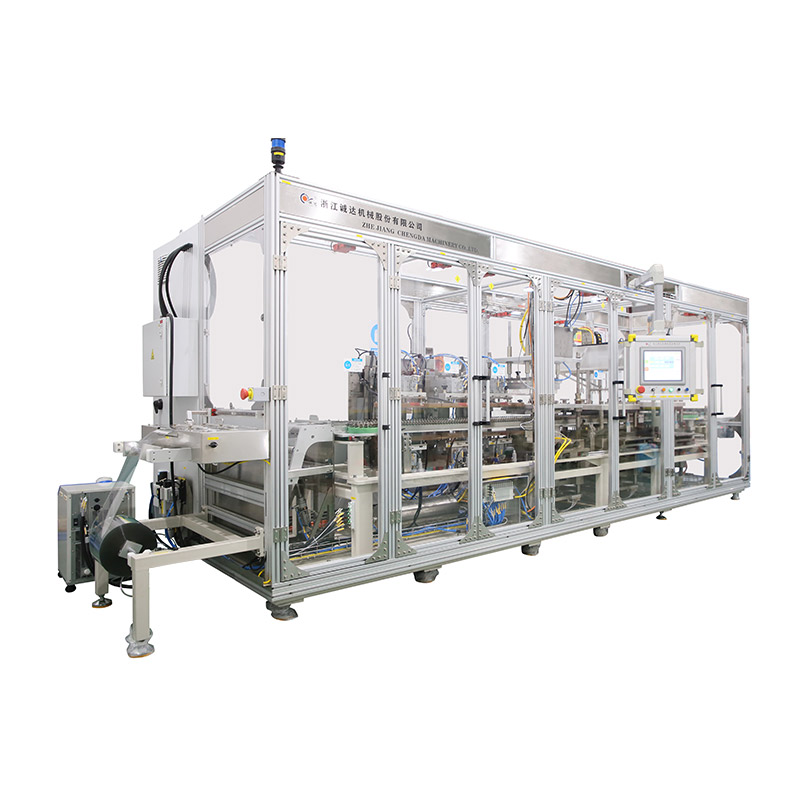
Matching the machine's automation level to your production volume prevents both operational bottlenecks and unnecessary capital expenditure. The market offers three distinct categories of equipment designed for low-volume applications.
Tabletop units are engineered specifically for R&D labs, stability testing, and early-stage clinical trials. These machines feature a highly compact footprint and rely on manual intervention for indexing and product loading. An operator manually pulls the forming film through the heating, forming, and sealing stations. They typically yield between 10 and 20 blisters per minute depending on operator proficiency.
They excel at handling diverse, small-run items like ampoules and single-dose pouches where automated feeding is unnecessary. However, they have distinct limitations. Throughput is entirely dependent on operator speed and consistency. They typically lack integrated die-cutting, inline printing, or automated reject stations. Use these machines strictly for proof-of-concept packaging, material compatibility testing, and ultra-low volume runs where precision is required but speed is irrelevant.
Semi-automated systems bridge the gap between manual lab work and full commercial production. They are ideal for scaling startups, contract packaging organizations, and mid-stage clinical trials. These machines automate the web indexing, thermoforming, sealing, and die-cutting processes, but leave the product loading station open for manual intervention.
This configuration balances automated throughput with the necessity of human oversight for fragile, liquid-filled, or complex custom products. A large, accessible loading area allows multiple operators to manually place complex kits into a single blister pack before the machine automatically applies the lidding foil and seals the package. This flexibility makes semi-automated units the workhorses of custom packaging facilities. You can expect outputs ranging from 30 to 60 blisters per minute.
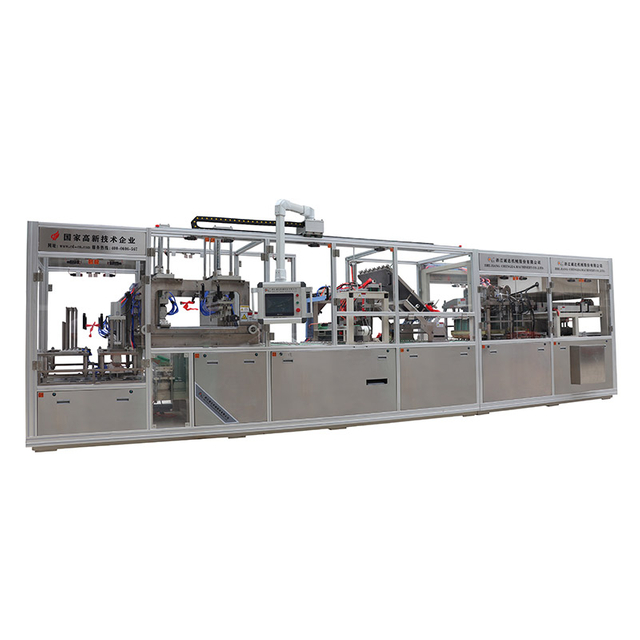
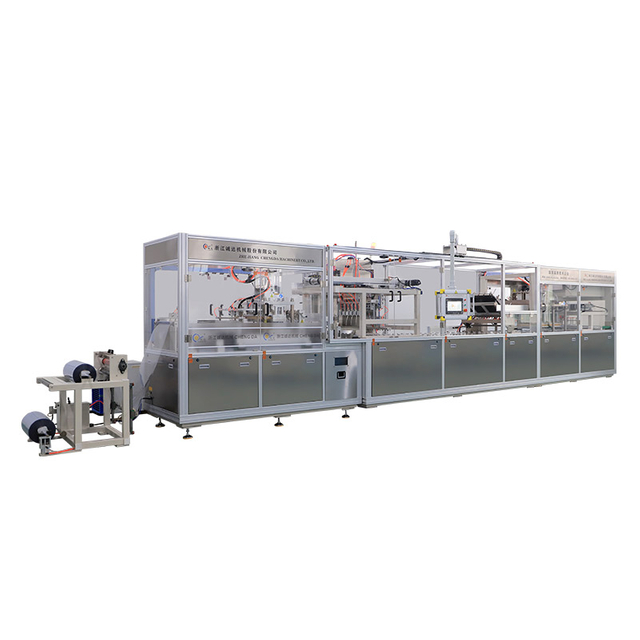
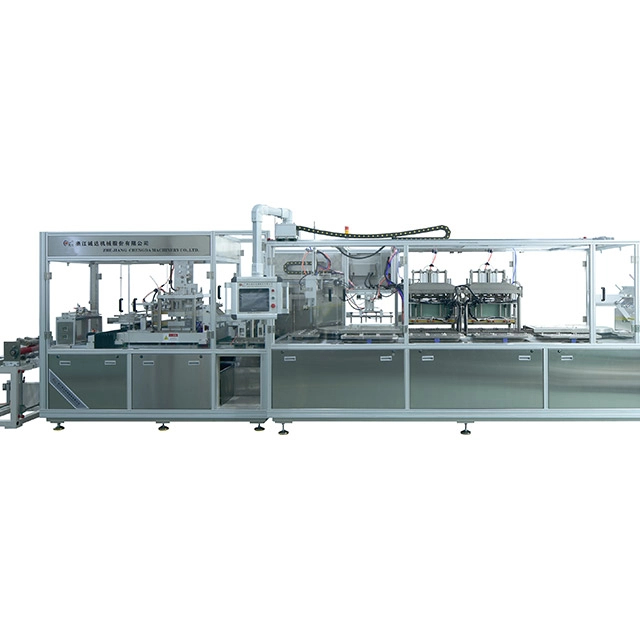
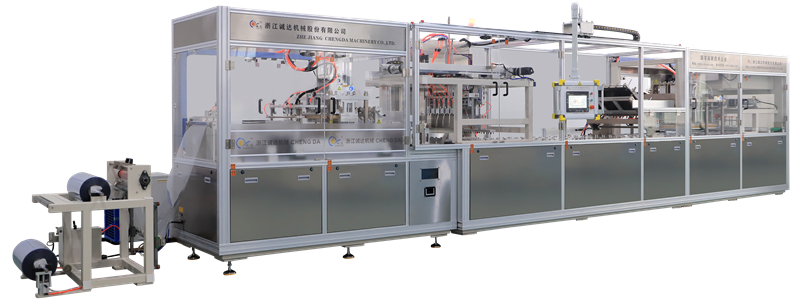
Compact automated lines are designed for niche commercial production and high-frequency custom runs. They provide fully integrated forming, automated feeding, sealing, inline printing, and punching within a significantly reduced footprint compared to traditional high-speed lines. These units can comfortably output 80 to 150 blisters per minute.
These machines utilize servo motors for precise web control and often feature modular designs. This modularity allows seamless integration with downstream secondary packaging equipment. When a specialized product graduates from clinical trials to niche commercial availability, compact automated lines provide the necessary throughput while maintaining the rapid changeover capabilities required for high-mix scheduling.
Evaluating equipment requires looking past the specification sheet to understand how mechanical features translate into operational outcomes. The right machine must handle your current materials while providing the engineering headroom for future product formats.
Assess the machine's ability to handle various forming films, including PVC, PETG, and high-barrier Aclar. Thermoforming uses heat and compressed air to stretch plastic films into cavities. The heating stations must provide uniform temperature distribution to prevent film thinning in deep-draw applications. If the heating plates fluctuate by even a few degrees, the plastic will form unevenly, leading to weak corners that rupture during transport.
Cold forming requires entirely different mechanical capabilities. Instead of heat, cold forming uses Teflon-coated pins to physically stamp cavities into aluminum foil. Aluminum provides a 100% barrier against moisture and light, making it essential for sensitive pharmaceuticals. However, it requires precise web tension control. If the machine pulls the foil too aggressively, micro-pinholes will develop, compromising the barrier. Ensure the machine offers dedicated cold forming stations with adjustable draw depths to prevent foil tearing.
Feature | Thermoforming (PVC/Aclar) | Cold Forming (Alu/Alu) |
|---|---|---|
Barrier Properties | Moderate to High (depends on film) | 100% Moisture and Light Barrier |
Forming Method | Heat and Compressed Air/Plug Assist | Mechanical Stamping (Teflon Pins) |
Cavity Density | High (tightly spaced cavities) | Lower (requires wider spacing to prevent tearing) |
Material Transparency | Clear (allows visual inspection) | Opaque (requires vision systems for inspection) |
Analyze the vendor's tooling ecosystem. In small batch operations, you will frequently order new format parts. Evaluate the engineering complexity required to machine custom cavities for unique product shapes, such as specialized medical devices, syringes, or large capsules. Standard round tablets are simple to tool, but asymmetrical medical devices require complex draft angles to ensure the product drops cleanly into the cavity without jamming.
The vendor's turnaround time for new format parts directly impacts your ability to take on new custom packaging contracts. Look for vendors who utilize in-house CNC machining and offer rapid prototyping. The format parts must be polished to exact tolerances to prevent scratching the forming film, and they should feature keyed designs that make incorrect installation by operators impossible.
Assess how easily the blister machine integrates with secondary packaging. Even in low-volume scenarios, manually cartoning blister packs introduces labor bottlenecks and increases the risk of mix-ups. Look for systems engineered for synchronized handoffs.
Compact lines should easily connect to horizontal continuous cartoners, inline labelers, and checkweighers without requiring extensive custom engineering or complex PLC handshakes. Features like vacuum pick-and-place transfer arms ensure that punched blisters are cleanly deposited into the cartoner's product buckets, maintaining continuous flow from forming to final boxing. The integration must include shared emergency stop circuits and cascade control logic so that if the cartoner jams, the blister machine automatically pauses to prevent a pileup.
Review the physical constraints of your facility. Compact machines still require robust industrial utilities. Discuss the specific requirements for clean, dry compressed air, chilled water for cooling the sealing plates, and stable electrical supply. Inadequate compressed air volume will cause the forming stations to fail intermittently, resulting in shallow cavities.
Evaluate the machine's design for cleanroom compliance. Pharmaceutical environments require equipment built with 316L stainless steel contact parts. The machine architecture must feature sloped surfaces to prevent liquid pooling during washdowns. Look for cantilevered balcony designs that separate the mechanical drive components at the back of the machine from the clean product-handling areas at the front. This prevents particulate matter generated by belts and motors from contaminating the open blister cavities.
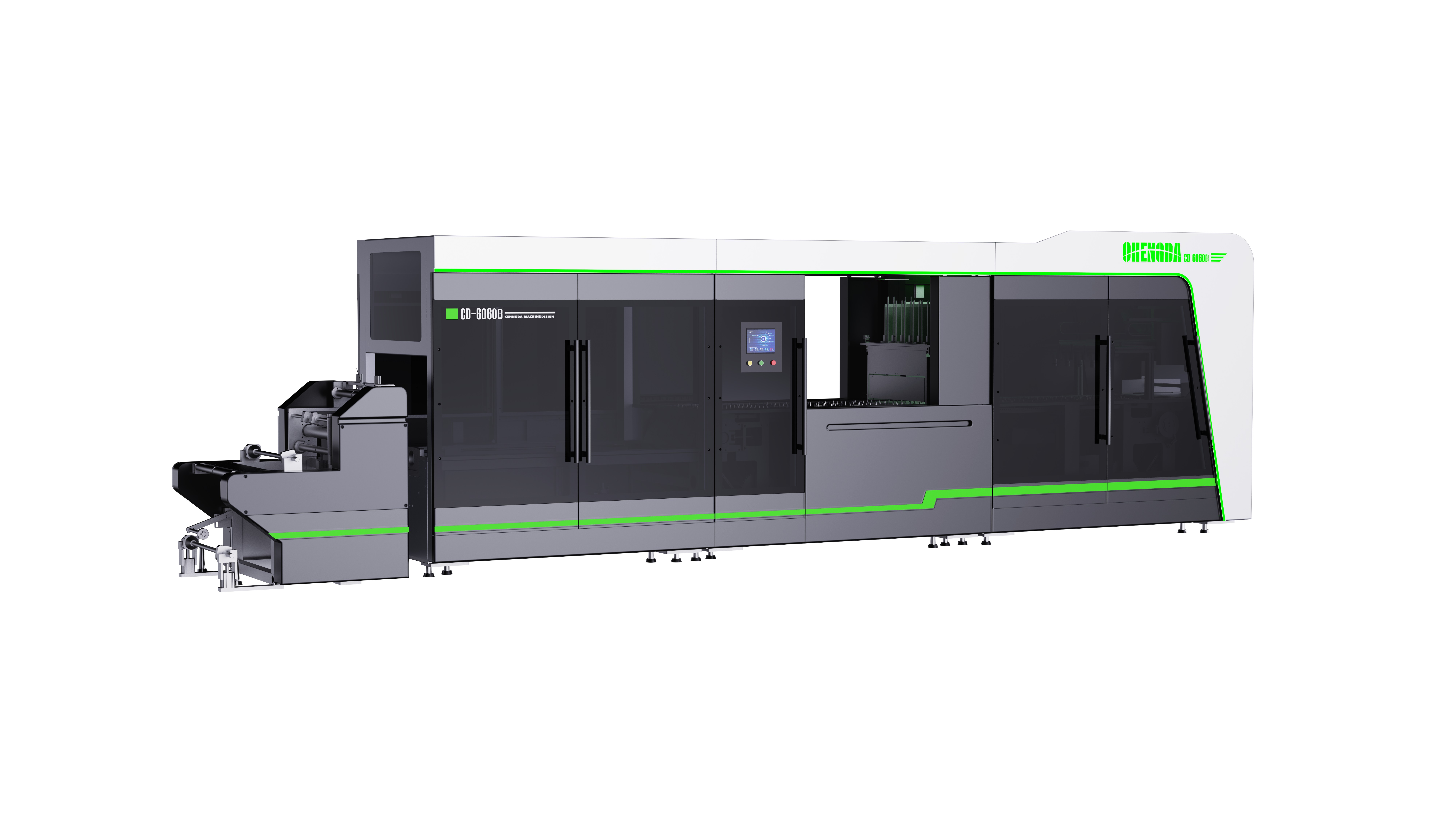
Regulatory compliance is non-negotiable. Whether you are packaging clinical trial supplies or niche commercial nutraceuticals, the equipment must support rigorous quality control standards and provide verifiable production data.
Detail the necessity of cGMP-compliant construction. Every surface that touches the product or the primary packaging material must be inert, non-reactive, and easily cleanable. Demand material certificates for all product-contact parts to prove they meet regulatory standards. The machine design must eliminate particle-trapping crevices and exposed threads where cross-contamination can occur between batches. Welds must be ground smooth and polished to a specific surface roughness (Ra) value to prevent microbial adhesion.
For pharmaceutical applications, manual record-keeping is insufficient. Evaluate the machine's Human-Machine Interface and underlying control systems for 21 CFR Part 11 compliance. The system must support active directory integration for secure, role-based user logins. Operators should only have access to run the machine, while supervisors hold the credentials to modify recipes.
It must generate immutable audit trails that track every parameter change. If an operator adjusts the sealing temperature or alters the indexing speed, the system must record who made the change, when it occurred, and what the previous value was. Secure recipe management ensures that validated production parameters cannot be altered without supervisor authorization. Data must be exportable in secure formats for batch record inclusion.
A blister pack is only as good as its seal. Examine how the machine ensures consistent dwell time, temperature, and pressure across the entire sealing platen. Variations in any of these three parameters will cause channel leaks or weak seals. The machine should feature multi-zone heating controls to maintain absolute uniformity across the sealing plate.
Discuss integration options for inline vision inspection systems. High-resolution cameras must inspect every cavity for missing, broken, or incorrect products before the lidding foil is applied. If a defect is detected, the machine's shift register must track that specific blister pack through the sealing and punching stations, directing it automatically into a secure reject bin without interrupting the continuous flow of good products. The reject bin must be lockable to prevent operators from accidentally reintroducing defective packs into the good product stream.
Deploying new packaging equipment introduces operational risks. Anticipating these challenges and implementing structured mitigation strategies ensures a smooth transition from installation to validated production.
Custom blister shapes require precise engineering. If you secure a contract for a uniquely shaped medical device, waiting twelve weeks for format parts will delay the entire project. The complex geometry of asymmetrical products requires careful calculation of the film draw ratio to prevent thinning. Rushing this process often results in dies that tear the film or fail to release the product cleanly.
Partner with vendors who offer rapid prototyping or in-house CNC machining for format parts. Request 3D-printed prototype cavities to verify product fit and loading ergonomics before authorizing the machining of expensive aluminum or steel format parts. This step alone can save weeks of rework.
Operators used to manual pacing may struggle with machine-driven indexing. In a semi-automated setup, the machine dictates the pace of the manual loading process. If operators cannot keep up with the intermittent motion, the machine will seal empty cavities, driving up waste and frustrating the workforce.
Implement phased training programs. Utilize machines equipped with variable speed drives and intuitive HMI recipe recall. Start production runs at a lower cycle speed, allowing operators to build muscle memory for complex loading tasks, and gradually increase the indexing speed as their proficiency improves. Position the loading stations ergonomically to reduce operator fatigue during long shifts.
Equipment that cannot pass validation will stall production indefinitely. If a machine fails to maintain consistent sealing temperatures during testing, it cannot be used for pharmaceutical products. Retrofitting a machine on the facility floor to pass validation is incredibly expensive and time-consuming.
Demand comprehensive IQ/OQ/PQ documentation packages upfront as a condition of purchase. Draft a rigorous Factory Acceptance Testing protocol. Travel to the vendor's facility to execute the FAT, running your actual forming films and product samples. Do not authorize shipment until the machine proves it can hold temperature tolerances, index accurately, and produce leak-free blisters under continuous operation.
Request a detailed format specification document for your top three custom product shapes to gauge engineering complexity and lead times.
Schedule a material compatibility test with the OEM to ensure their forming stations handle your specific high-barrier films without tearing or thinning.
Draft a rigorous Factory Acceptance Testing protocol defining exact acceptance criteria for seal integrity and changeover times before signing any purchase agreements.
Audit your facility's utility drops to confirm adequate compressed air and chilled water capacity for the new equipment.
Choosing the right blister packaging equipment requires balancing production volume, product flexibility, tooling efficiency, material compatibility, and long-term scalability. Zhejiang Chengda Machinery Co.,Ltd. specializes in blister packaging machinery and related packaging solutions, supporting customers with equipment options for different products and production requirements while helping manufacturers build more efficient and adaptable packaging processes.
A: Thermoforming uses heat and compressed air to stretch plastic films, such as PVC or PETG, into shaped cavities. Cold forming uses mechanical pressure and Teflon-coated pins to stamp cavities into aluminum foil. Cold forming provides a 100% barrier against moisture and light, making it essential for highly sensitive pharmaceuticals, whereas thermoforming allows for transparent, tightly spaced cavities.
A: Modern compact machines feature adaptable feeding areas and deep-draw forming capabilities. They can be tooled to package ampoules, vials, pre-filled syringes, liquid sachets, pouches, specialized medical devices, and fragile nutraceutical products that require custom cavity geometries.
A: Modern, tool-less compact machines should allow complete format changes in 15 to 30 minutes. This is achieved using quick-release pins, slide-in heating plates, and pre-calibrated format parts, a massive reduction compared to the several hours required on traditional high-speed continuous lines.
A: While high-quality tabletop models are built to cGMP standards and utilize approved contact materials, their low throughput and reliance on manual indexing make them economically unviable for commercial scale. They are strictly suited for R&D, stability testing, and early-stage clinical trials.
A: Yes. Many compact automated blister lines are engineered for modularity. They feature synchronized outfeed mechanisms, such as vacuum pick-and-place arms, allowing seamless integration with horizontal continuous cartoners, checkweighers, and inline labelers for a complete end-of-line solution.
A: Semi-automated machines automate the film indexing, forming, and sealing processes but leave a large, open staging area for manual product loading. This allows human operators to carefully place asymmetrical, fragile, or multi-component items into custom-formed cavities before the machine automatically applies the lidding foil.