English
Views: 0 Author: Site Editor Publish Time: 2026-08-27 Origin: Site


Primary packaging forms the final barrier in pharmaceutical manufacturing. Seal integrity and material barrier properties directly dictate product shelf-life, ensuring efficacy and patient safety. Facility managers face a strict operational tension on the floor. You must maximize production throughput while maintaining rigorous cGMP compliance. Selecting the wrong equipment architecture creates severe bottlenecks. It leads to excessive material waste, prolongs changeover downtimes, and elevates batch rejection rates. This guide serves as a technical evaluation framework for shortlisting Blister Machines. We focus on machine architecture, comparing flat versus rotary systems. You will learn the mechanical differences between thermoforming and cold forming. We also detail specific feeding and handling requirements for tablets versus capsules. By understanding these mechanical nuances, engineering teams can specify equipment that aligns perfectly with their production demands and material constraints.
Architecture Dictates Application: Flat-plate blister machines offer superior precision and dwell time for sensitive Alu-Alu packaging, while rotary machines maximize speed for standard thermoformed PVC/PVDC blisters.
Product-Specific Feeding is Critical: Tablets and capsules require distinct feeding mechanisms; universal feeders exist but may compromise speed or increase the risk of product damage for highly friable tablets.
Changeover Efficiency Drives ROI: Operational efficiency is heavily influenced by tooling costs (forming dies, sealing plates, punching tools) and the time required to switch formats between different product runs.
Compliance is Non-Negotiable: Modern blister machines must integrate seamlessly with vision inspection systems and comply with 21 CFR Part 11 for electronic records and data integrity.
Table of Contents
Modern blister packaging relies on a continuous, synchronized operational flow. The sequence requires precise mechanical timing across multiple stations. Servo-driven motors manage web tension, preventing material stretching and maintaining registration. Synchronization across these stages determines overall equipment effectiveness (OEE). Precise timing minimizes web edge waste and prevents jamming on the line.
Film Unwind: The base web feeds from a large roll. Dancer rollers maintain constant tension. This prevents the material from snapping or sagging as it enters the heating zones.
Cavity Forming: The web enters the forming station. Thermoforming uses upper and lower heating plates to soften the plastic. Compressed air at 6 to 8 bar pushes the film into the die. Cold forming uses mechanical stamps to draw aluminum laminate into shape without heat.
Product Filling: Dedicated feeders drop individual tablets or capsules into the formed pockets. Baffles and raceways guide the product to ensure a 100% fill rate.
Heat Sealing: The lidding foil meets the base web. Heat and mechanical pressure bond the two layers. The knurling pattern on the sealing plates ensures a hermetic seal.
Inline Inspection: High-speed cameras scan every single pocket. The vision system identifies missing, broken, or incorrect units. Shift registers track the exact location of any defective pockets.
Punching and Rejection: Die-cutters stamp out the final blister cards. Automated rejection mechanisms divert any cards flagged by the vision system into a secure bin.
Thermoforming heats transparent or opaque plastic films to form cavities. Common materials include PVC, PET, and high-barrier Aclar. The heat softens the film to a pliable state. Mechanical plug assists pre-stretch the material before compressed air forces it into the mold. This ensures uniform wall thickness in the final cavity. Traditional PVC is highly forgiving with temperature fluctuations. However, the industry is shifting toward sustainable, recyclable mono-materials like PP or PET. These materials require highly precise, narrow-band temperature control. Upgrading to mono-materials often requires retrofitting PID temperature controllers to your Blister Machines.
Cold forming operates on entirely different mechanical principles. It mechanically stamps aluminum laminate (OPA/Alu/PVC) to create pockets. It uses absolutely no heat. Cold forming requires significantly higher mechanical force. Machines designed for Alu-Alu need a larger footprint to accommodate heavy-duty drawing stations. Operating speeds are typically slower. Aluminum laminate stretches less than plastic. You must account for strict material stretching constraints. Pushing the material too fast or too deep causes micro-fractures in the foil barrier, ruining the batch.
Specification | Thermoforming | Cold Forming (Alu-Alu) |
|---|---|---|
Base Material | PVC, PVDC, Aclar, PET, PP | OPA/Alu/PVC Laminate |
Forming Method | Heat, Plug Assist, Compressed Air | Mechanical Stamping (Teflon Plugs) |
Barrier Protection | Moderate to High (Depends on film) | Absolute (100% moisture/light barrier) |
Operating Speed | High (Up to 600+ blisters/min) | Low to Medium (Stretching limits) |
Cavity Density | High (Tight nesting possible) | Lower (Requires wider web spacing) |
Cavity geometry differs significantly based on the product type. Capsules require deeper, precisely contoured pockets. The pocket shape must match the capsule size perfectly, from Size 00 down to Size 4. This prevents deformation during sealing. It ensures proper nesting so the capsule does not shift when the web advances. Tablets need shallower pockets. They usually feature flat-bottomed or slightly curved designs. Draft angles on the cavity walls must accommodate the specific tablet profile, whether biconvex or flat bevel edge.
Tablets and capsules rely on entirely different feeding mechanisms. Using the wrong feeder causes jams, product damage, and low fill rates.
Brush-Box Feeders: Oscillating brushes sweep capsules or coated tablets into cavities. They are simple and effective for robust products.
Tube Feeders: These align capsules vertically. They drop them precisely into deep cavities at high speeds. They prevent capsules from bouncing out of the pockets.
Vibratory Bowl Feeders: These orient tablets using vibration. They feed them down dedicated tracks. They work well for oddly shaped tablets.
Sweep Feeders: Paddles push tablets across a stationary plate into the moving web below. They are ideal for high-speed flat tablet production.
Friable tablets crumble easily under mechanical stress. They require low-impact feeding mechanisms. Rough handling generates fine dust. Dust accumulates in the sealing area of the base web. This compromises seal integrity. It prevents the lidding foil from bonding properly. The result is micro-leaks that fail vacuum decay tests. Dust extraction vacuums with HEPA filters are mandatory when running friable tablets. You must position the extraction nozzles directly above the feeding zone to capture particulates before they settle on the web.
Gelatin and HPMC capsules present different handling risks. They require strict temperature and static control at the feeding station. Static electricity causes capsules to stick together. They bridge in the hopper and disrupt the feed rate. Installing static elimination bars across the feeder bowl resolves this issue. Low ambient humidity makes gelatin capsules brittle. They can shatter during high-speed drops into the blister cavities. Facility HVAC integration is just as critical as the machine's internal mechanics. Maintain relative humidity between 40% and 50% in the packaging suite.
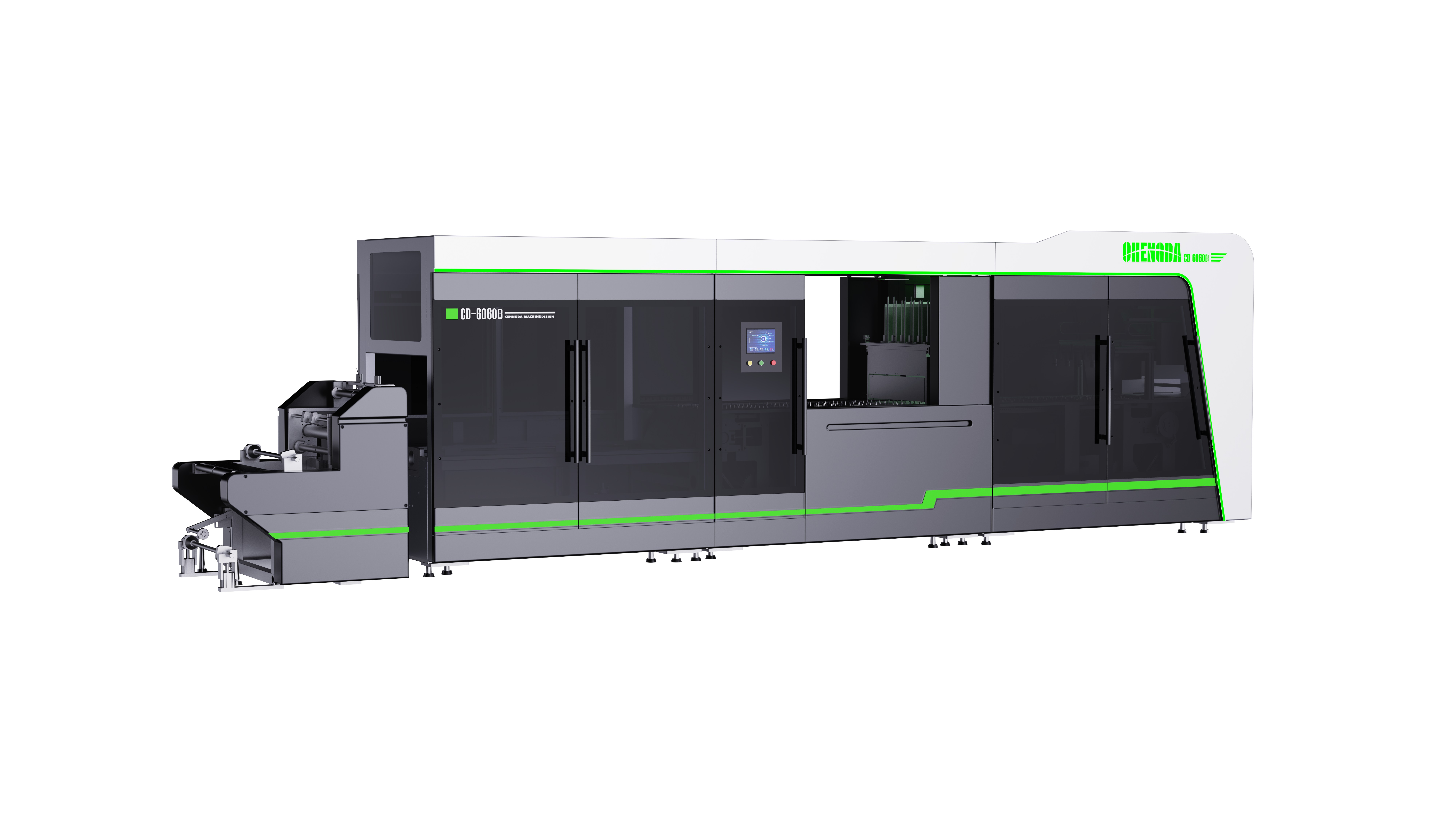
Flat blister machines utilize platen sealing. Both forming and sealing operate on a flat, intermittent-motion platen. The industry often designates these machines under the DPP series nomenclature. The web stops momentarily during the sealing phase. A flat heated plate presses down against the web. Pneumatic or hydraulic cylinders generate the sealing pressure.
These machines excel at high-precision requirements. They are ideal for sensitive pharmaceuticals and clinical trials. Flat machines dominate cold-form (Alu-Alu) packaging. They offer longer dwell times. This extended contact ensures perfect seals for heavy laminates. They handle complex cavity shapes flawlessly. However, they generally operate at lower speeds compared to rotary systems. The intermittent motion limits maximum throughput. The start-and-stop kinematics put more stress on the web tensioning system.
Rotary blister machines utilize roller sealing. They operate with continuous motion. Heated rollers apply pressure as the web moves continuously through the station. The industry often designates these machines under the DPH series nomenclature. The tangential contact between the rollers creates a narrow, high-pressure sealing band.
Rotary systems are best for high-volume mass production. They handle standard thermoformed blisters exceptionally well. They deliver massive throughput. They produce significantly more blisters per minute than flat machines. They also feature smaller machine footprints. However, they are less suitable for heavy Alu-Alu foils. The continuous motion provides shorter sealing dwell times. Heavy foils also present web tension issues on rotary setups. Knurling patterns on the rollers must be perfectly calibrated to avoid cutting the foil.
Hybrid systems combine flat-platen forming with rotary sealing. You get the precision of flat forming for complex cavities. You get the speed of rotary sealing for high throughput. These machines handle difficult shapes while maintaining mass-production speeds. They often carry the DPT series designation.
Hybrid models introduce specific mechanical trade-offs. Mechanical complexity increases significantly. Format part requirements become more intricate. Maintenance teams must master both intermittent and continuous motion kinematics. Synchronization between the flat forming station and the continuous sealing roller requires advanced servo-motor control. A dancer roller assembly usually sits between the two stations to absorb the intermittent web movement and feed it smoothly into the continuous rotary sealer.
Feature | Flat-Plate Machines (DPP) | Rotary Machines (DPH) | Hybrid Machines (DPT) |
|---|---|---|---|
Motion Type | Intermittent | Continuous | Intermittent Forming / Continuous Sealing |
Sealing Mechanism | Flat Platen | Heated Rollers | Heated Rollers |
Alu-Alu Suitability | Excellent (Long Dwell Time) | Poor (Short Dwell Time) | Moderate to Good |
Production Speed | Low to Medium | Very High | High |
Best Application | Clinical trials, sensitive drugs, complex shapes | Mass production, standard PVC/Aclar blisters | High-volume production requiring precise forming |
Match machine capacity directly to your batch sizes. Measure capacity in blisters per minute (BPM). R&D and clinical trial machines handle low volumes. They offer high flexibility and single-lane operation. They allow you to test different materials with minimal waste. Mass production lines handle high volumes. They use dedicated formats and multi-lane configurations. A four-lane rotary machine can easily exceed 800 BPM.
Calculate your average run time before a changeover. High-speed machines lose their advantage if you stop them every two hours for format changes. Align the machine's optimal running speed with your facility's daily output targets. Consider the pitch and width of the web. A wider web allows more cavities per index, increasing throughput without increasing the mechanical cycle speed.
Format changeovers dictate operational uptime. Modern machines feature tool-less changeovers based on SMED (Single Minute Exchange of Die) principles. They use quick-release locking mechanisms. Modular station designs allow operators to swap parts rapidly without wrenches or hex keys. Evaluate the impact of changeover times on your schedule.
Facilities running high-mix, low-volume portfolios suffer heavily from slow changeovers. Lightweight format parts reduce operator fatigue. Poka-yoke (error-proofing) designs ensure operators cannot install tooling backward or in the wrong sequence. Asymmetric mounting pins prevent incorrect installation. This eliminates startup crashes and calibration delays.
Regulatory compliance requires specific machine designs. Specify a cGMP-compliant balcony design. This architecture separates drive mechanics at the back from the packaging zone at the front. It prevents cross-contamination from lubricants. It allows easy, unobstructed washdowns. Operators can sweep broken tablets directly into a catch pan without navigating around drive shafts.
Integrated automated vision systems are mandatory. High-speed cameras inspect for missing, broken, or wrong-color products before sealing. The Human-Machine Interface (HMI) must comply with 21 CFR Part 11. It needs electronic records, audit trails, and secure user access levels. Operators must log in with unique credentials. The system must record every parameter change, including temperature adjustments and speed modifications.
Blister machines rarely operate in isolation. You must connect them to downstream cartoning machines. The packaging line may also include checkweighers, leaflet folders, and serialization modules. Buffer zones are critical. They absorb minor stoppages downstream without halting the blister machine. A spiral buffer can hold several minutes of production, keeping the primary packaging running while an operator clears a cartoner jam.
Specify reliable transfer mechanisms. Robotic pick-and-place units offer high precision for transferring blister cards into cartoner buckets. Vacuum transfer belts maintain positive control of the cards. Proper integration prevents line bottlenecks. It ensures the blister machine runs at its nameplate capacity.

Tooling complexity introduces hidden operational inefficiencies. Proprietary tooling includes forming dies, guide tracks, sealing plates, and punching tools. Every new blister format requires a complete set. Complex tooling extends setup times and requires specialized storage racks to prevent damage to the heating plates.
Excessive web edge waste heavily inflates material usage. Optimize the layout of cavities on the web. Reduce the distance between the outermost cavity and the web edge. Even a two-millimeter reduction in edge trim saves massive amounts of foil over a year of continuous production. Evaluate the punching station's nesting pattern. Staggered cavity layouts maximize material yield compared to straight-grid layouts.
Seal integrity failures ruin entire batches. Micro-leaks have several common mechanical causes. Uneven platen pressure prevents uniform bonding across the web. Temperature fluctuations leave cold spots on the sealing plate. Dust in the seal area breaks the material barrier. Improper knurling patterns fail to interlock the foil and film.
Specify machines with auto-calibrating pressure sensors. Use precise PID temperature controllers to maintain exact heat levels. Implement automated reject verification. The machine must confirm that defective cards actually leave the line. Relying solely on the vision system without physical rejection verification invites compliance deviations. Conduct regular vacuum decay testing or methylene blue dye tests to validate seal integrity during production runs.
Complex HMIs lead to operator error. They extend troubleshooting downtime. Prioritize intuitive UI/UX designs. Operators need clear diagnostic screens that pinpoint sensor faults immediately. Require comprehensive Factory Acceptance Testing (FAT) before shipment. Run your actual product and film during the FAT.
Follow up with rigorous Site Acceptance Testing (SAT) during installation. Ensure the vendor provides accessible local technical support. Preventive maintenance schedules must be clear and actionable. Lubrication points should be easily accessible. Wear parts like heating elements, Teflon coatings, and cutting dies must have predictable lifespans. Keep critical spares in your facility to prevent extended downtime.
The optimal blister machine is not universally the fastest model available. The best choice aligns precisely with your specific material requirements, product geometry, and batch frequency. Flat-plate machines remain the standard for Alu-Alu, clinical trials, and highly sensitive drugs requiring maximum barrier protection. Rotary machines dominate high-speed, mass production of standard thermoformed tablet and capsule runs. To ensure a successful deployment, follow these immediate next steps:
Audit your current changeover downtimes to determine if a tool-less, modular machine will provide immediate operational relief.
Define your exact material specifications for upcoming product pipelines, specifically noting any shift toward recyclable mono-materials or heavy Alu-Alu laminates.
Calculate your required blisters per minute (BPM) based on your average batch size and downstream cartoner capacity.
Request empirical material and feeding trials from vendors using your most friable tablets or static-prone capsules before finalizing any equipment specifications.
For pharmaceutical manufacturers looking for reliable and application-focused blister packaging solutions, Zhejiang Chengda Machinery Co.,Ltd. specializes in the development and manufacturing of blister packaging machinery for pharmaceutical and related packaging applications. With experience in equipment design and production, the company helps customers select blister machine configurations based on product characteristics, packaging materials, production capacity, and specific manufacturing requirements.
A: Thermoforming uses heat to soften and shape plastic films like PVC or Aclar into cavities. Cold forming uses mechanical force to stamp cavities into aluminum laminate without heat. Cold forming provides a 100% barrier against moisture, oxygen, and light, but requires a larger machine footprint and operates at slower speeds.
A: Choose flat machines for Alu-Alu and sensitive products. They use intermittent platen sealing, providing longer seal times for heavy laminates. Choose rotary machines for high-speed mass production of thermoformed blisters. They use continuous roller sealing to maximize throughput and reduce the machine footprint.
A: Yes. Most modern blister machines handle both. However, you must purchase interchangeable format parts and specific feeding mechanisms. Capsules require deep cavities and tube feeders or brush boxes. Tablets require shallow cavities and vibratory bowls or sweep feeders to prevent product damage.
A: Older or highly complex machines take 2 to 4 hours to change formats. Modern machines feature modular, tool-less designs and lightweight format parts. Experienced operators can achieve full format changeovers on these modern systems in 30 to 45 minutes, significantly increasing daily production uptime.
A: Alu-Alu packaging generally reduces machine speed. Cold forming requires intermittent motion and longer dwell times for perfect seals. The aluminum laminate also has strict stretching limits. Forming the cavities too quickly causes micro-fractures in the foil barrier, which compromises the hermetic seal.
A: A balcony design separates the mechanical drive components from the packaging zone. The motors and gears sit at the back of the machine. The film and product run along the front. This prevents cross-contamination from lubricants and makes washdowns and line clearance much easier.
A: Inline vision systems scan every cavity before sealing. They detect missing, broken, or incorrect products. The system tracks defective pockets and signals the punching station to automatically reject the final blister card, ensuring only perfect products reach the consumer and maintaining cGMP compliance.