English
Views: 0 Author: Site Editor Publish Time: 2026-06-26 Origin: Site


Choosing the right blister packaging machine can make or break your pharmaceutical production. How do you pick the best one? Blister packaging machines are vital for protecting medicines and ensuring quality. In this post, you’ll learn about machine types and how to select the perfect fit for your needs.
Roller blister machines use a rotating heated drum that shapes plastic film continuously. The film wraps around the drum, and vacuum pulls it into pocket molds on the roller surface. This continuous motion means no stops during forming, allowing high-speed production. These machines excel at producing simple, shallow cavities quickly, making them perfect for large batches of uniform tablets or capsules.
Key features include:
Continuous rotation for nonstop forming
High output, often over 200 blisters per minute for small shapes
Best suited for shallow forming depths (typically under 10 mm)
Mold designs are complex and costly, with longer changeover times
Flat-plate machines operate in an intermittent cycle. The plastic web stops moving while a flat mold presses against a heated plate to form cavities. Vacuum and pressure shape the blisters precisely during this pause. After forming, the mold opens, and the web advances to the next position.
Advantages include:
Superior forming depth, often beyond 25 mm, ideal for deep cavities
High precision and consistent cavity shape
Gentle handling for fragile or irregular products like syringes or ampoules
Faster mold changeover than roller machines, usually under 30 minutes
The trade-off is slower speed compared to roller machines, making flat-plate better for small batches or complex shapes rather than mass production.
Roller-plate machines combine roller and flat-plate technologies. The plastic film first passes over a heated roller for pre-heating, then moves to a flat-plate forming station. This hybrid approach keeps the precise forming control of flat-plate machines while benefiting from the energy efficiency of roller pre-heating.
This design offers:
Balanced speed and forming quality
Lower power consumption at the forming station
Uniform blister wall thickness close to flat-plate standards
Suitable for medium to high-volume production with some product variety
Feature | Roller Machine | Flat-Plate Machine | Roller-Plate Machine |
|---|---|---|---|
Speed | Very high (200+ blisters/min) | Moderate (up to 300 blisters/min) | High (200–800 blisters/min) |
Forming Depth | Shallow (<10 mm) | Deep (up to 25+ mm) | Moderate to deep |
Precision | Moderate | High | High |
Mold Changeover Time | Long and complex | Moderate (under 30 minutes) | Quick (under 10 minutes) |
Energy Consumption | Low | High | Medium |
Ideal for | Large uniform batches | Small batches, complex shapes | Medium to high volume, variety |
Roller machines shine in speed for simple products but lack flexibility. Flat-plate machines excel at precision and deep forming but run slower. Roller-plate machines offer a balance, delivering good speed and quality while reducing energy use and downtime.
Tip: Choose blister machines by matching your product’s forming depth and batch size to the machine’s speed and precision capabilities for optimal efficiency.
When choosing a blister packaging machine, understanding the production speed and output requirements is crucial. Your choice impacts how efficiently your line runs and the quality of the final product.
Start by calculating how many blisters you need per minute. Consider your product demand, shift length, and any downtime for maintenance or roll changes. For example, if you produce 100,000 tablets daily over two 8-hour shifts, you’ll need roughly 104 blisters per minute, factoring in breaks and changeovers. Knowing this target helps narrow down machine types that meet your speed needs without overpaying for excess capacity.
Roller Machines: These excel at high-speed production. They can run continuously, forming over 200 blisters per minute for simple shapes. Their nonstop motion suits large batches of uniform tablets or capsules. However, their forming depth is shallow, and mold changes are time-consuming.
Flat-Plate Machines: Operating intermittently, they form blisters with high precision but at moderate speeds, usually below 300 blisters per minute. They are ideal for products needing deep cavities or delicate handling, but slower output limits their use in mass production.
Roller-Plate Machines: These hybrid machines offer a balance. They achieve speeds between 200 and 800 blisters per minute, depending on the model and product. They combine roller pre-heating with flat-plate forming for quality and efficiency, making them suitable for medium to high-volume runs with some product variety.
Running a machine at maximum speed may reduce blister quality. Misshaped cavities or weak seals can cause product waste and regulatory issues. Always verify the reliable operating speed from manufacturers rather than just the maximum rating. For fragile or irregular products, slower forming with precise control ensures integrity and compliance.
Machine speed directly influences your line’s throughput and uptime. Faster machines reduce cycle times but may increase wear or require more frequent maintenance. Slower machines with quick mold changeovers can improve overall efficiency by minimizing downtime during product switches.
For example, a roller-plate machine with a quick mold change (under 10 minutes) can switch products rapidly, maintaining high output without long stoppages. Conversely, roller machines may have longer mold change times, causing bottlenecks if your line runs multiple products.
Tip: Match your blister machine’s speed to your actual production needs, prioritizing consistent quality over sheer maximum output to optimize efficiency and reduce waste.
Forming depth plays a key role in selecting a blister packaging machine. If your product needs deep cavities—over 15 mm—you should lean toward flat-plate or roller-plate machines. Roller machines struggle to maintain uniform wall thickness at such depths, leading to weaker blisters or inconsistent seals. Flat-plate machines excel in deep forming, shaping precise, stable cavities even beyond 25 mm. Roller-plate machines offer a middle ground, capable of moderate to deep forming with good wall uniformity. Choose a machine matching your product’s cavity depth to ensure blister strength and product protection.
Fragile items like syringes, ampoules, or oddly shaped pills need gentle forming. Flat-plate and roller-plate machines operate intermittently, stopping the plastic web during forming. This pause reduces vibration and stress on delicate products. Roller machines, by contrast, run continuously, which can jostle fragile items and cause damage. If you package sensitive or irregularly shaped products, prioritize machines that offer controlled forming cycles. This helps maintain product integrity and reduces waste from breakage.
Your choice of lidding material affects machine compatibility. All three machine types handle standard aluminum-plastic lidding well. However, roller-plate and flat-plate machines provide more stable sealing pressure, which suits advanced materials like aluminum-aluminum composites. These composites offer superior moisture and oxygen barriers, essential for sensitive pharmaceuticals. Flat-plate machines’ uniform pressure ensures better peel-push performance, enhancing user experience. Roller machines have limits sealing tougher substrates consistently, which may cause seal failures or uneven edges.
Roller-plate and flat-plate machines shine in flexibility. They handle a wider range of plastics, foils, and composite lidding materials. This versatility supports eco-friendly packaging trends, such as paper-plastic laminates, without sacrificing seal quality. Their controlled forming and sealing processes reduce material waste and improve blister appearance. Plus, these machines adapt quickly to new substrates during mold changeovers, helping manufacturers stay agile amid evolving packaging demands.
Tip: Match your blister machine to product fragility, forming depth, and lidding type to ensure optimal packaging quality and reduce waste.
Choosing the right blister packaging machine means looking beyond the sticker price. The total cost of ownership (TCO) includes initial investment, mold costs, changeover times, energy use, and maintenance expenses. These factors add up over the machine’s lifespan and affect your bottom line.
Roller machines usually have the lowest upfront cost. Their simple continuous rotary design means fewer mechanical parts, making them cheaper to buy. Flat-plate machines sit in the middle range. They use more complex forming molds and require precise heating and vacuum systems, which push the price higher. Roller-plate machines are the most expensive initially. They combine two forming technologies and require modular components for quick mold changes, increasing manufacturing complexity and cost.
Molds represent a significant expense. Roller machine molds are complex and costly due to their rotary design. Changing them takes longer because the entire roller must be cooled and synchronized with multiple stations. Changeover times can stretch beyond an hour, leading to downtime. Flat-plate machine molds cost less and are easier to handle. They use flat, interchangeable plates that simplify the swap process, usually under 30 minutes. Roller-plate machines offer the fastest changeover, often under 10 minutes, thanks to modular mold systems designed for quick replacement. This reduces downtime and boosts productivity, especially for multi-product lines.
Roller machines consume the least power. Their continuous motion and fewer heating cycles keep energy use low. Flat-plate machines require more energy because they heat molds repeatedly during each stop-start cycle. Roller-plate machines fall between the two, using energy efficiently by pre-heating with rollers and forming with flat plates. Maintenance varies, too. Roller machines have complex rotary parts needing regular inspection and cooling system upkeep. Flat-plate machines concentrate motion components in one area, easing maintenance but increasing wear. Roller-plate machines feature modular, servo-driven designs with fewer moving parts, reducing maintenance hours and costs over time.
While roller-plate machines cost more upfront, they often save money long-term. Their quick mold change reduces downtime, allowing more production time. They also reduce material waste by using staggered die-cutting layouts, saving over 10% on packaging materials compared to traditional flat-plate machines (example data, verify with supplier). Less waste means lower material costs and less environmental impact. Faster changeovers help manufacturers run multiple products efficiently, avoiding costly line stoppages. These savings can offset higher initial investments, making roller-plate machines a financially smart choice for many pharmaceutical producers.
Tip: Factor in mold changeover speed and energy use when comparing blister machines to avoid hidden costs and maximize your production line’s uptime.
Choosing the right blister packaging machine depends heavily on the products and industries you serve. Different products demand different packaging needs, and the machine must match those to ensure efficiency, quality, and flexibility.
For tablets, capsules, and other solid-dose pharmaceuticals, roller-plate blister machines often provide the best balance. They deliver good speed—typically between 200 and 400 blisters per minute—while offering precise forming and sealing. This combination suits high-volume production lines that need to switch products quickly, thanks to fast mold changeovers often under 10 minutes. Roller-plate machines handle the moderate forming depths required for most tablets and capsules and maintain consistent quality. Their modular design supports multi-product lines without sacrificing uptime.
Liquids, creams, gels, and other semi-solid products require gentle handling to avoid spills and contamination. Flat-plate blister machines excel here. Their stop-and-form cycle controls the plastic web precisely, preventing splashing and ensuring a tight seal. These machines also offer deep forming capabilities, which help accommodate thicker or irregularly shaped liquid blisters. Although slower than roller or roller-plate machines, flat-plate systems prioritize product integrity and hygiene, essential for sensitive liquid pharmaceuticals.
Blister packaging extends beyond pharmaceuticals. Food items like single-serve creamers, cosmetics such as eyeshadow palettes, and electronics components including batteries often use blister packs. These industries benefit from machines offering quick mold changeovers and flexible tooling. Roller-plate machines stand out here, able to switch between different product formats rapidly. Their ability to handle diverse materials and shapes suits the varied demands of these markets. Flat-plate machines also serve niche cosmetic or delicate electronic parts needing precise cavity forming.
Many manufacturers run multiple products on one line to meet varied market demands. Flexibility becomes critical. Machines with modular molds and fast changeover times reduce downtime and increase productivity. Roller-plate blister machines typically lead in this area, offering changeovers under 10 minutes. Flat-plate machines follow, with changeovers generally under 30 minutes. Roller machines lag due to complex mold designs and longer cooling requirements. Choosing a machine that supports quick tooling swaps helps maintain consistent output and lowers costs, especially in contract manufacturing or companies with frequent product changes.
Tip: Prioritize blister machines offering fast mold changeovers and flexible tooling when managing multiple products or serving diverse industries to maximize uptime and responsiveness.
Selecting the right blister packaging machine depends on several important factors. These criteria help you find a machine that fits your production goals, product needs, and budget.
First, determine how many blisters you need per minute. Your required speed affects which machine type fits best. Roller machines offer very high speeds, ideal for large, uniform batches. Flat-plate machines run slower but provide precision. Roller-plate machines balance speed and quality, handling medium to high volumes with flexibility. Choose a machine that matches your actual output needs—not just the maximum speed—to avoid quality issues or wasted capacity.
Next, consider your product’s shape and fragility. Fragile or irregular products like syringes or softgels need gentle forming, which flat-plate and roller-plate machines provide by stopping the plastic web during forming. Roller machines run continuously, which may damage delicate items. Also, check the forming depth your product requires. Deep cavities over 15 mm need flat-plate or roller-plate machines for uniform wall thickness and strong seals. Shallow cavities can work well on roller machines.
Your packaging materials affect machine choice. All types handle standard aluminum-plastic lidding well. For advanced materials like aluminum-aluminum composites or eco-friendly paper-plastic laminates, flat-plate and roller-plate machines offer better sealing pressure and reliability. These machines also adapt faster to new substrates during mold changes, supporting evolving packaging trends and product lines.
Initial purchase price is just one part of the equation. Roller machines cost less upfront but may have higher mold costs and longer changeovers. Flat-plate machines are mid-range in price and maintenance. Roller-plate machines have the highest initial cost but offer faster mold changeovers, lower energy use, and less material waste. Over time, these savings can offset the higher investment. Consider total cost of ownership, including downtime and maintenance.
Finally, strong supplier support matters. Choose manufacturers offering customization to fit your unique product needs. Good technical support helps with installation, training, and maintenance, reducing downtime. Quick access to spare parts and expert advice ensures your line runs smoothly. Customizable machines allow you to adapt as your product range or packaging materials change.
Tip: Prioritize machines that align with your production speed, product fragility, and material needs while balancing initial cost against long-term savings and supplier support for the best overall value.
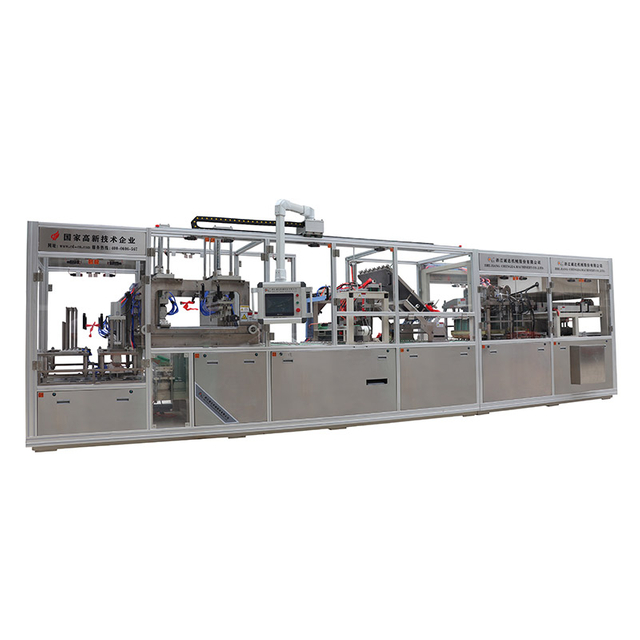
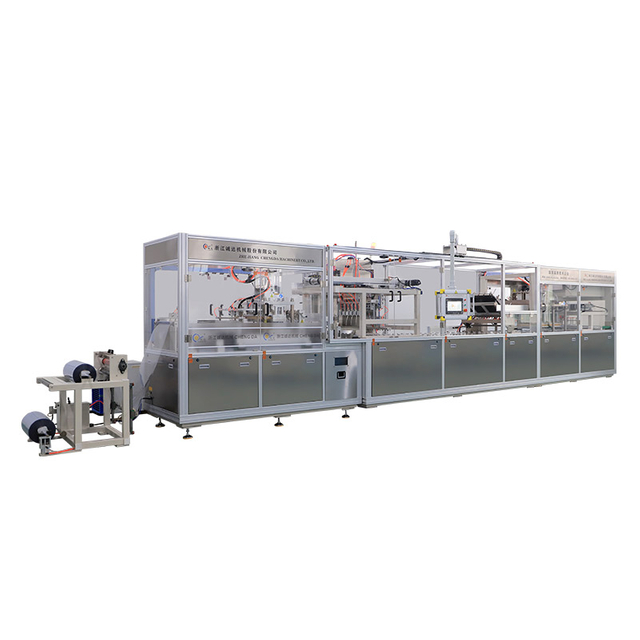
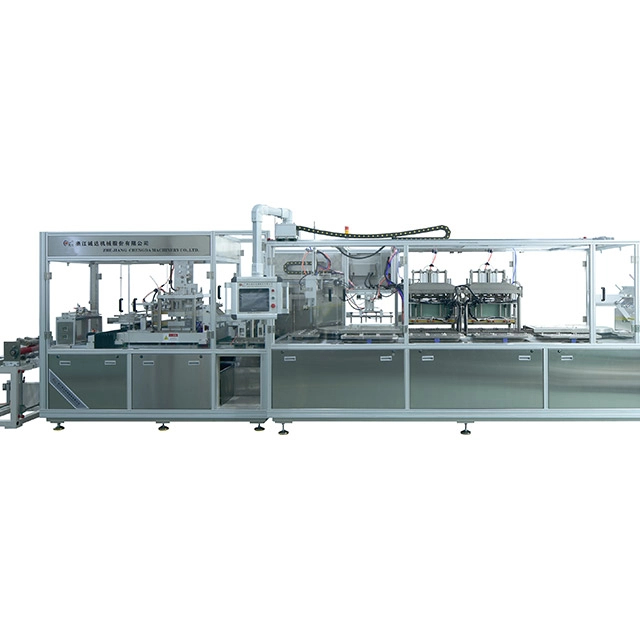
Roller, flat-plate, and roller-plate blister machines each offer unique strengths and limitations. Choosing the right machine improves production efficiency and ensures high-quality packaging. Align your choice with product fragility, forming depth, and output needs for best results. Consulting experts helps tailor recommendations to your pharmaceutical packaging goals. Zhejiang Chengda Machinery Co., Ltd. provides advanced blister machines designed to optimize performance and reduce waste, delivering valuable solutions for diverse production demands.
A: A blister packaging machine forms cavities in plastic film to hold products securely, using heat, vacuum, and pressure. Types include roller, flat-plate, and roller-plate machines, each suited for different product needs.
A: For fragile or irregular products, flat-plate or roller-plate blister packaging machines are best as they form cavities gently by stopping the plastic web during forming, protecting product integrity.
A: Mold changeover times affect downtime and productivity. Roller-plate machines offer the fastest changeovers (under 10 minutes), helping manufacturers run multiple products efficiently.
A: Machine speed influences output and quality. Roller machines run fastest but suit simple products; flat-plate machines are slower but precise; roller-plate machines balance speed and quality for medium to high volumes.
A: Beyond initial price, consider mold costs, changeover time, energy consumption, and maintenance. Roller-plate machines may cost more upfront but save money long-term through efficiency and less material waste.