English
Views: 0 Author: Site Editor Publish Time: 2025-09-30 Origin: Site


Is your packaging process lagging behind? Cartoning machines can revolutionize efficiency and cut costs significantly. Choosing between automatic and semi-automatic solutions is crucial for your business. In this post, you'll learn about the types, features, and benefits of cartoning machines. We'll guide you in selecting the perfect machine to meet your production needs and budget.
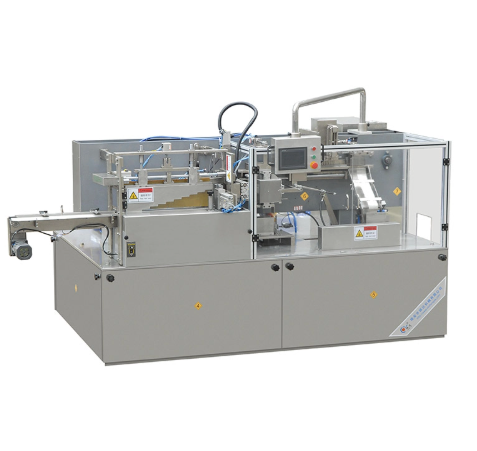
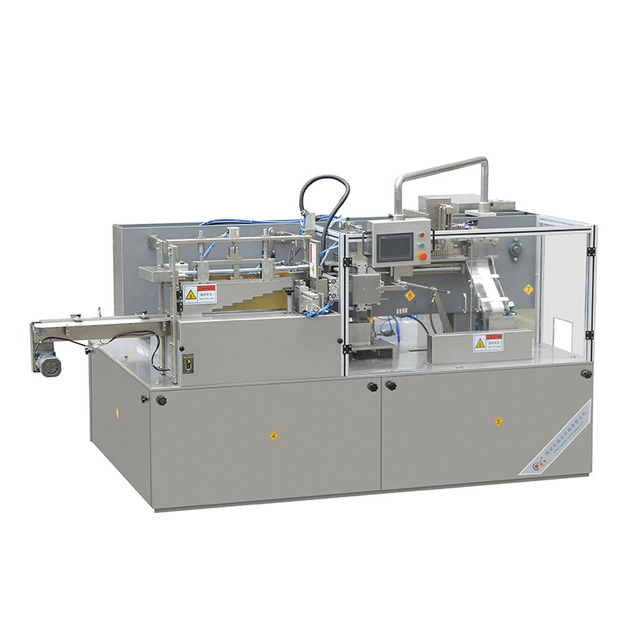
Cartoning machines are specialized packaging equipment designed to automate the process of placing products into cartons or boxes. Their primary purpose is to improve packaging efficiency, reduce labor costs, and ensure consistent packaging quality. These machines handle various tasks such as erecting cartons, loading products, folding flaps, and sealing the cartons securely.
Cartoning machines serve industries ranging from food and pharmaceuticals to cosmetics and consumer goods. They help protect products during transportation, enhance shelf appeal, and meet regulatory packaging requirements. By automating carton packing, businesses can maintain high throughput and reduce human error.
Cartoning machines broadly fall into two categories: automatic and semi-automatic. Each type offers distinct features and suits different production needs.
Automatic Cartoning Machines: These machines perform all cartoning steps without manual intervention. They erect cartons, fill products, close, and seal cartons continuously. They are ideal for high-volume production lines, offering fast speeds and minimal operator involvement.
Semi-Automatic Cartoning Machines: These require some manual input, such as loading cartons or products, while automating other steps like folding and sealing. They are suited for medium to low production volumes or when flexibility is necessary.
Besides these, cartoning machines can also be classified by the method of carton loading:
Horizontal Cartoners: Products are loaded horizontally into cartons. They are commonly used for items like bottles, tubes, or blister packs.
Vertical Cartoners: Products drop vertically into cartons. These are often used for products like sachets, pouches, or food items.
Further distinctions include the sealing method:
Tuck-in Cartoners: Carton flaps are folded and tucked in without adhesives.
Gluing Cartoners: Use adhesive to seal cartons securely.
Hot Melt Cartoners: Employ hot melt glue for sealing, offering strong bonds.
Understanding these types helps businesses select machines that align with product shape, packaging style, and production demands.
Automatic cartoning machines handle the entire packaging process without human help. They erect cartons, load products, fold flaps, and seal boxes in one continuous flow. These machines often include advanced sensors and controls to ensure precision and reduce errors. Many models offer quick changeover features, enabling fast adjustment for different carton sizes or product types.
They can handle a wide range of carton styles—tuck-in, gluing, or hot melt sealing—and product formats. Integration with upstream and downstream equipment, like conveyors and labeling systems, is common. Their high-speed operation suits large production runs, sometimes packing hundreds of cartons per minute.
High Efficiency: They maintain a steady, fast pace, reducing bottlenecks in packaging lines.
Consistent Quality: Automation minimizes human error, ensuring uniform carton erection and sealing.
Labor Savings: Reduced need for manual labor lowers operational costs and improves workplace safety.
Integration: Easily connects with other automated systems for a streamlined packaging process.
Reduced Waste: Precise handling cuts down on carton damage and material waste.
Data Monitoring: Many models include real-time monitoring and diagnostics for better process control.
Automatic cartoning machines excel in industries demanding high throughput and consistent packaging quality:
Pharmaceuticals: For blister packs, bottles, and vials needing sterile, precise packaging.
Food and Beverage: For snacks, confectionery, and bottled products requiring fast, hygienic packing.
Cosmetics: Handling delicate or irregularly shaped items with care and speed.
Consumer Goods: Toys, electronics, and household items benefit from quick, reliable cartoning.
Chemical and Industrial Products: Packaging small parts or hazardous materials safely.
These machines suit operations where volume and speed are critical, and packaging standards are strict.
Tip: When choosing an automatic cartoning machine, consider your product variety and line integration needs to ensure seamless operation and maximum productivity.
Semi-automatic cartoning machines blend manual operation with automated processes. Typically, an operator manually loads cartons or places products, while the machine handles carton erection, flap folding, and sealing. These machines often feature adjustable settings to accommodate various carton sizes and product types.
They use mechanisms such as tuck-in, gluing, or hot melt sealing, similar to automatic machines, but at a slower pace. Semi-automatic machines are compact, making them suitable for facilities with limited floor space. Operators can quickly switch between product runs, offering flexibility for small to medium batch sizes.
Common features include:
Manual loading stations for cartons or products
Automated carton forming and flap folding
Sealing options: tuck-in, hot melt glue, or adhesive tape
User-friendly controls for quick adjustments
Compact footprint for smaller production areas
Lower Initial Investment: They cost less upfront than fully automatic models, making them ideal for startups or businesses with budget constraints.
Flexibility: Easy to adjust for different carton sizes and product types, supporting diverse packaging needs.
Space Efficiency: Smaller machines fit well in limited spaces without sacrificing essential cartoning functions.
Operator Control: Manual involvement allows for careful handling of delicate or irregularly shaped products.
Simplified Maintenance: Fewer complex parts reduce downtime and maintenance costs.
Scalability: Good stepping stone for companies planning to expand automation later.
Semi-automatic cartoning machines suit industries or applications where production volumes are moderate, or product variety demands frequent changeovers. Examples include:
Pharmaceuticals: Packaging small batches of medicines, supplements, or medical devices where precision matters.
Cosmetics: Handling fragile items like creams, lotions, or makeup that require gentle packing.
Food and Beverage: Small-scale packing of snacks, confectionery, or specialty foods.
Consumer Goods: Packaging toys, electronics accessories, or household items in varied carton sizes.
Specialty Products: Custom or limited-edition products needing flexible packaging solutions.
These machines work well for businesses that prioritize quality and flexibility over high-speed output.
Automatic cartoning machines excel in speed and continuous operation. They can pack hundreds of cartons per minute without stopping, making them perfect for high-volume production lines. Their automated processes reduce downtime and ensure consistent output, which boosts overall efficiency.
Semi-automatic machines operate slower because they require manual input for loading cartons or products. This limits their speed but offers more control over delicate or varied products. They suit medium to low volume runs where precision and flexibility matter more than sheer speed.
Automatic machines involve a higher initial investment due to their complexity and advanced technology. They also require more maintenance expertise and sometimes higher energy consumption. However, their labor savings and high throughput often justify the upfront cost over time in large-scale operations.
Semi-automatic machines cost less upfront and have simpler mechanics, reducing maintenance expenses. They demand more operator involvement, which may increase labor costs but offer savings for businesses not ready for full automation. These machines fit well for startups or companies with limited budgets.
Semi-automatic cartoning machines offer greater flexibility for changing carton sizes, product types, and packaging styles. Operators can quickly adjust settings and handle unique or fragile products carefully. This adaptability benefits businesses with diverse or evolving product lines.
Automatic machines provide some flexibility through quick changeover features but generally perform best with standardized products and cartons. They excel when production runs are long and consistent, minimizing the need for frequent adjustments.
When selecting a cartoning machine, first consider your production volume and speed needs. Automatic machines are best for high-volume operations, capable of packing hundreds of cartons per minute without stopping. They keep your line moving fast, reducing bottlenecks and downtime. If your business runs large-scale production, investing in an automatic cartoner can boost output significantly.
On the other hand, semi-automatic machines suit medium to low volume runs. They require manual loading, which slows down the process but offers greater control. If your production varies or you handle small batches, a semi-automatic machine provides flexibility without over-investing in speed you don’t need.
Budget plays a major role in your choice. Automatic cartoning machines come with higher upfront costs due to their advanced technology and complexity. You may also face increased maintenance expenses and energy consumption. However, these costs often balance out over time through labor savings and higher throughput.
Semi-automatic machines have lower initial costs and simpler mechanics, reducing maintenance demands. They do require more operator involvement, which can increase labor costs, but are more affordable for startups or businesses testing new products. Consider your financial capacity and long-term goals when weighing these options.
Your facility’s space and layout impact machine selection. Automatic cartoning machines are typically larger and need more floor space to accommodate conveyors and integration with other systems. If your production area is spacious and designed for a streamlined flow, an automatic machine fits well.
Semi-automatic machines are compact, making them ideal for limited spaces or smaller production lines. Their smaller footprint allows installation in tight areas without major facility modifications. If space is tight or you want a flexible setup, semi-automatic machines offer a practical solution.
Keeping a cartoning machine in top shape requires regular maintenance. Scheduled cleaning, lubrication, and inspection of moving parts prevent breakdowns and extend machine life. For automatic machines, sensors, belts, and motors need frequent checks to avoid unexpected stops. Semi-automatic machines, while simpler, still benefit from routine tightening of fasteners and cleaning sealing components.
Preventive maintenance plans tailored to the machine type help catch wear early. Using manufacturer-recommended parts and following maintenance manuals ensures reliability. Documenting maintenance activities supports compliance and helps track performance trends.
Operators and maintenance staff must receive proper training to run cartoning machines efficiently. Automatic machines often need specialized skills to handle controls, troubleshoot errors, and perform changeovers quickly. Semi-automatic machines require operators to be adept at manual loading and monitoring machine functions.
Training programs should cover safety protocols, machine operation, and basic repairs. Skilled operators reduce downtime and improve output quality. Cross-training staff increases flexibility and ensures coverage during absences or peak production.
Operational costs go beyond the initial purchase price. Automatic machines may consume more energy due to continuous running and complex electronics. Their maintenance can be costlier, involving advanced parts and technical service. However, labor savings and higher throughput often offset these expenses over time.
Semi-automatic machines have lower energy use and simpler maintenance, reducing ongoing costs. But increased manual labor can raise personnel expenses. Businesses must weigh these factors based on production scale and workforce availability.
Investing in durable machines and training lowers repair frequency and extends machine lifespan. Monitoring operational data helps identify inefficiencies and optimize costs.
Automatic cartoning machines offer high efficiency and speed for large-scale production, while semi-automatic machines provide flexibility and cost-effectiveness for smaller operations. When selecting a cartoning machine, consider production volume, budget, and space constraints. Zhejiang Chengda Machinery Co.,Ltd. provides advanced cartoning solutions that enhance productivity and packaging quality. Their machines are designed to meet diverse industry needs, ensuring reliable performance and value.
A: Cartoning machines automate the process of placing products into cartons, improving packaging efficiency and quality.
A: There are automatic and semi-automatic cartoning machines, classified by carton loading method: horizontal or vertical.
A: Automatic machines fully automate the process, while semi-automatic machines require manual input for some tasks.
A: Industries like pharmaceuticals, food and beverage, cosmetics, and consumer goods use cartoning machines for efficient packaging.