English
Views: 0 Author: Site Editor Publish Time: 2025-09-21 Origin: Site


Are you struggling to find the perfect blister packing machine for your business? Choosing the right machine is crucial for efficiency and product quality. In this post, we’ll explore what a blister packing machine is, its importance in various industries, and tips to help you make an informed decision.
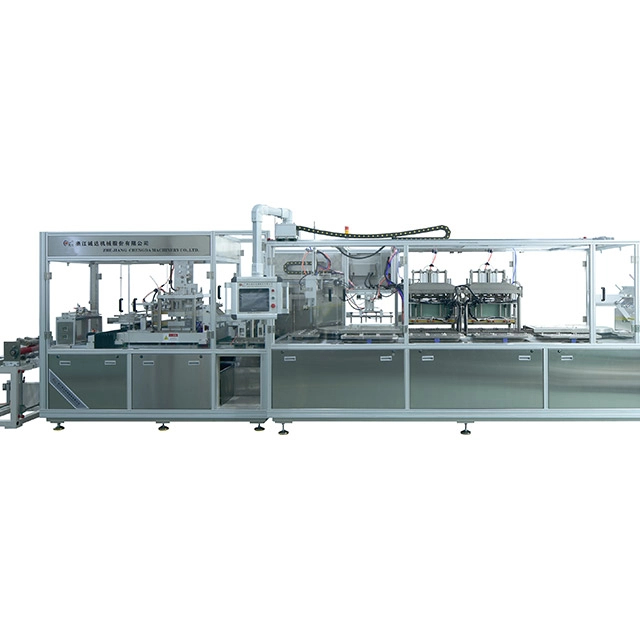
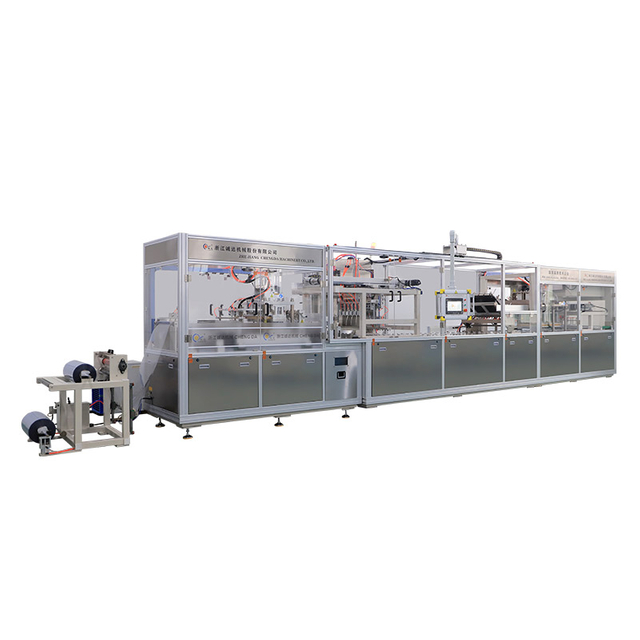
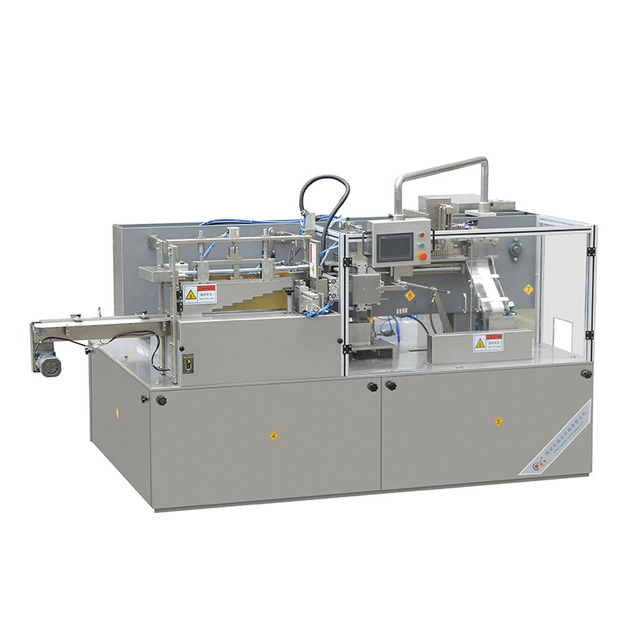
A blister packing machine is a specialized device used to package products in a protective blister. These blisters are typically made of plastic and are sealed with a backing material, such as aluminum foil. The main purpose of this machine is to ensure product safety and extend shelf life.
Blister packing machines are vital in various sectors, especially:
● Pharmaceuticals: They protect sensitive medications from moisture and contamination.
● Food Industry: They help maintain freshness and prevent spoilage.
● Consumer Goods: Items like batteries and electronics benefit from secure packaging.
In these industries, the right blister packing machine can significantly enhance product presentation and consumer trust.
Selecting the appropriate blister packing machine can impact your business in several ways.
A well-chosen machine increases production speed and reduces downtime. This efficiency ensures that products are packaged quickly while maintaining quality. For example, high-speed machines can produce thousands of units per hour, which is crucial for meeting market demands.
Investing in a reliable blister packing machine can lead to substantial cost savings. Here are key factors to consider:
● Initial Costs: Higher-quality machines may have a higher upfront price but often offer better reliability.
● Operational Costs: Energy-efficient models reduce long-term expenses.
● Maintenance: Machines with lower maintenance needs save time and money.
By analyzing these aspects, businesses can achieve a favorable ROI, making the investment worthwhile.
In conclusion, understanding what a blister packing machine is and its importance can guide you in making an informed choice. This decision directly influences your production efficiency, product integrity, and overall profitability.

When it comes to blister packing machines, there are two main types to consider:
1. High-Speed Machines
These machines are designed for large-scale production. They can handle high volumes of products quickly, making them ideal for industries like pharmaceuticals. High-speed machines often feature advanced technology, allowing for efficient operation and reduced labor costs.
2. Compact/Lab Models
Compact models are perfect for smaller businesses or labs. They take up less space but still offer reliable performance. These machines are often more affordable and suitable for niche markets or R&D purposes. They allow businesses to test new products without heavy investment.
To understand how these machines work, it's essential to know their key components. Here are the main parts:
Sealing systems are crucial for ensuring product safety. They come in various types, such as:
● Thermal Sealing: Uses heat to bond materials together.
● Cold Sealing: Utilizes pressure without heat, ideal for heat-sensitive products.
The choice of sealing system can affect the integrity of the package and the shelf life of the product.
Feeding systems determine how products are introduced into the blister pack. Common types include:
● Automatic Feeders: These systems automatically place items into the blister, increasing efficiency.
● Manual Feeders: Require operators to place items by hand, suitable for low-volume production.
An efficient feeding system minimizes errors and speeds up the packing process.
Modern blister packing machines often include advanced control panels. These panels allow operators to monitor and adjust settings easily. Key features may include:
● Touchscreen Interfaces: For user-friendly operation.
● Automated Diagnostics: To identify issues quickly.
● Data Logging: For tracking production metrics and ensuring compliance.
Automation features enhance precision and reduce human error, making the packing process smoother.
In summary, understanding the types and components of blister packing machines can help you make informed decisions. This knowledge is key to optimizing your packaging process and ensuring product quality.
When selecting a blister packing machine, understanding the materials used in blister packaging is essential. Here are some common options:
● PVC (Polyvinyl Chloride): Widely used for its clarity and durability. It’s cost-effective but less eco-friendly.
● PVDC (Polyvinylidene Chloride): Offers excellent barrier properties, making it ideal for sensitive products.
● Aluminum Foil: Provides superior protection against moisture and light, extending product shelf life.
● Eco-Friendly Options: Materials like biodegradable plastics are gaining popularity for their environmental benefits.
Each material has its unique advantages, and the right choice depends on your product requirements.
A quick mold-changing system is crucial for flexibility in production. Here’s why it matters:
● Reduced Downtime: Fast mold changes minimize production interruptions, keeping your workflow smooth.
● Versatility: It allows you to switch between different materials and product sizes easily. This adaptability is vital for businesses with varying product lines.
● Cost Efficiency: Reducing downtime means you can produce more, which can lead to increased profits.
Many leading manufacturers offer machines that support various sealing options. For example:
● Machines Supporting Alu-PVC and Alu-Alu Sealing: These machines provide the flexibility to use both aluminum and PVC materials, catering to diverse packaging needs.
● Extended Shelf Life: By using aluminum foil, these machines enhance the barrier properties of the packaging, keeping products fresh longer.
Here’s a quick comparison table of different material options:
Material Type | Barrier Properties | Eco-Friendliness | Common Uses |
PVC | Moderate | Low | General packaging |
PVDC | High | Moderate | Pharmaceuticals |
Aluminum Foil | Very High | Low | Food and sensitive items |
Eco-Friendly | Varies | High | Sustainable products |
By considering material compatibility and flexibility, you can ensure your blister packing machine meets your business needs effectively. This knowledge helps in selecting a machine that not only fits your current requirements but also adapts to future demands.
Before choosing a blister packing machine, it’s crucial to assess your production needs. Here are some key factors to consider:
● Output Requirements: How many units do you need to produce per hour? This will guide your choice of machine capacity.
● Product Types: Different products may require varying speeds. For example, pharmaceuticals often need faster packaging to meet demand.
When selecting a machine, ensure its capacity aligns with your output goals. Here’s a quick overview:
● High-Speed Models: These machines can produce thousands of packs per hour. Ideal for large-scale operations, they maximize efficiency but may require a higher initial investment.
● Compact Models: While they offer lower speeds, compact machines are perfect for small businesses or specific product lines. They are often more affordable and easier to manage.
Let’s break down the advantages and disadvantages of each type:
Feature | High-Speed Models | Compact Models |
Production Speed | Very high | Moderate |
Initial Cost | Higher | Lower |
Space Requirements | Larger footprint | Space-saving design |
Flexibility | Less flexible for small runs | Highly adaptable |
Maintenance | More complex | Easier to maintain |
Many competitors are focusing on enhancing production efficiency. For example:
● Modular Designs: Some machines feature modular designs, allowing for quick adjustments. These designs can reduce downtime by over 30%, keeping your production line running smoothly.
● Automated Systems: Incorporating automation can significantly boost production speed. Machines with advanced control systems allow for real-time monitoring and adjustments, ensuring optimal performance.
By understanding your production speed and throughput needs, you can choose a blister packing machine that fits your business perfectly. This clarity helps in making informed decisions that enhance your overall efficiency.
When selecting a blister packing machine, it’s vital to understand Good Manufacturing Practices (GMP) and Current Good Manufacturing Practices (CGMP). These standards ensure that products are consistently produced and controlled according to quality standards. Here’s why they matter:
● Pharmaceutical and Medical Applications: Compliance is crucial in these industries. Non-compliance can lead to severe consequences, including product recalls and legal issues.
In the pharmaceutical sector, regulatory compliance isn't just a box to check; it's a necessity. Here’s what you need to know:
● Quality Assurance: Adhering to GMP ensures that the products manufactured are safe and effective.
● Consumer Trust: Compliance builds trust with healthcare providers and patients, enhancing your brand reputation.
Look for specific features in blister packing machines that promote compliance:
● Stainless Steel Interiors: These surfaces are easy to clean and resistant to contamination, making them ideal for maintaining hygiene.
● Sealed Workspaces: Preventing contamination is key. Sealed environments protect products from external pollutants.
● Transparent Covers: They allow operators to monitor the process without compromising the sterile environment.
Certifications can indicate a machine’s compliance level. Here are some important ones:
● CE Certification: This shows the product meets EU safety, health, and environmental protection standards.
● ISO Certification: Indicates adherence to quality management standards.
● RoHS Compliance: Ensures that the machine is free from hazardous materials.
Safety is paramount, especially when handling High Potency Active Pharmaceutical Ingredients (HPAPI). Consider these design features:
● Ergonomic Layouts: These designs minimize strain on operators, promoting safety and efficiency.
● Containment Systems: Effective containment prevents exposure to hazardous materials, protecting operators and the environment.
By focusing on GMP and regulatory compliance, you ensure that your blister packing machine meets the necessary standards for safety and quality. This attention to detail not only safeguards your products but also enhances your business credibility.
When selecting a blister packing machine, mold flexibility is key. Why? Here’s why it matters:
● Supporting Deep Cavities: Some products require deeper cavities. Flexible molds can accommodate various shapes and sizes, ensuring a perfect fit.
● Custom Shapes: Whether you’re packaging pills, tablets, or unique items, customizable molds allow for tailored solutions that meet specific product needs.
Feeding systems play a significant role in the accuracy of your packaging process. Here’s a breakdown of different types:
● Orbital Feeders: These feeders provide smooth and consistent product flow, minimizing jams and ensuring accuracy.
● Brush Feeders: Ideal for delicate items, these systems gently guide products without causing damage.
● Guide Rail Feeders: They help align products accurately before packaging, reducing the risk of misalignment.
● Integration of Camera Detection: Advanced systems now include camera detection for quality control. This technology ensures that every product is correctly positioned and meets quality standards.
Efficiency is critical in production. Modular tooling allows for quick format changes, which can save time and increase productivity. Consider these examples:
● Quick Switch Capability: Switching from a 260mm to a 110mm width can be done in under 30 minutes. This adaptability is essential for businesses that handle multiple products.
● Reduced Downtime: Fast format changes mean less downtime, allowing you to maximize production output.
Feature | Benefits |
Mold Flexibility | Accommodates various shapes and sizes |
Accurate Feeding Systems | Reduces jams and improves accuracy |
Camera Detection | Enhances quality control |
Modular Tooling | Enables quick format changes |
By focusing on customization and feeding technology, you can enhance the efficiency and versatility of your blister packing machine. This not only improves production quality but also allows for greater flexibility in your packaging operations.
When choosing a blister packing machine, the footprint and dimensions are crucial. Here’s what to consider:
● Importance of Fitting Production Floors: Ensure the machine fits well in your production space. A compact design can maximize workflow and minimize wasted space.
● Layout Considerations: Think about how the machine will interact with other equipment. Efficient layouts can improve overall productivity.
Energy efficiency is more than just a buzzword; it directly impacts your bottom line. Here are the benefits:
● Benefits of Servo-Driven Systems: These systems can offer up to 20% energy savings compared to traditional machines. This reduction in energy usage can lead to significant cost savings over time.
● Long-Term Investment: While the initial cost may be higher, energy-efficient machines often pay off in the long run through lower utility bills.
Understanding how different models stack up can help you make an informed decision. Consider these factors:
● Comparison of Power and Utility Consumption: Evaluate different models based on their energy consumption. Look for data on how much power each machine uses during operation.
● Benchmarking Against Competitors: Research insights from competitors regarding their experiences with energy-efficient machines. This can provide valuable context for your decision-making.
Feature | Benefits |
Compact Footprint | Maximizes production floor space |
Servo-Driven Systems | Up to 20% energy savings |
Power Consumption Data | Informs decisions on cost-effectiveness |
Competitor Insights | Provides real-world performance comparisons |
By prioritizing energy and space efficiency, you can enhance your production capabilities while keeping costs manageable. This approach not only supports sustainability but also contributes to a more streamlined operation.
Choosing a blister packing machine goes beyond just features. After-sales support is essential. Here’s why:
● Global Reach: A manufacturer with a strong global service network can provide timely assistance. This means less downtime for your operations.
● On-Site Installation and Debugging Services: Look for companies that offer on-site support during installation. Proper setup ensures optimal performance from the start.
Investing in a blister packing machine should also mean planning for the future. Consider these aspects:
● Compatibility with Downstream Equipment: Ensure your machine can easily integrate with other equipment, like box packing machines. This compatibility can save you from costly upgrades later.
● Industry 4.0 Readiness: As automation grows, machines that are ready for Industry 4.0 will be more valuable. They can adapt to new technologies and processes.
The Internet of Things (IoT) is changing how we maintain equipment. Here’s how it can benefit you:
● Importance of IoT-Enabled Diagnostics: Machines equipped with IoT capabilities can provide real-time diagnostics. This feature allows for predictive maintenance, reducing unexpected breakdowns.
● Data-Driven Decisions: With IoT, you can analyze performance data to make informed decisions about maintenance and upgrades.
Feature | Benefits |
Global Service Network | Reduces downtime and ensures quick support |
On-Site Installation | Guarantees proper setup for optimal use |
Future Compatibility | Saves costs on future upgrades |
IoT Integration | Enables predictive maintenance and diagnostics |
By focusing on after-sales support and scalability, you can ensure that your investment in a blister packing machine meets your current needs and future demands. This approach not only enhances operational efficiency but also secures your business's growth potential.
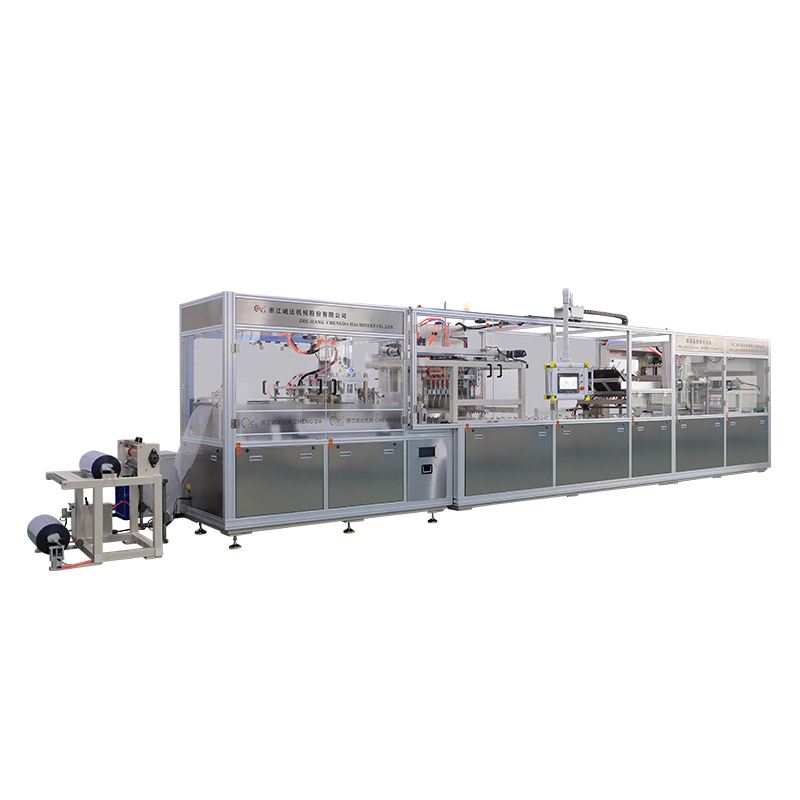
The pharmaceutical sector is a key player in the blister packing machine market. Here’s what to keep in mind:
● Precision and Data Tracking: Machines designed for pharmaceuticals often feature advanced capabilities, like temperature-controlled sealing molds. This ensures product integrity and compliance with industry standards.
● Regulatory Compliance: Understanding your competitors' approaches to compliance can guide your choices. Look for machines that meet stringent regulations.
In the food and CPG sectors, blister packing machines are evolving. Consider these insights:
● Specialized Models for Liquids and Pastes: Some machines are tailored for packaging liquids and pastes, such as single-dose butter packaging. This specialization can enhance efficiency and reduce waste.
● Market Demand: Research how your competitors are meeting consumer demand for convenience and portion control. This can inform your machine selection.
Sustainability is a growing concern across industries. Here’s how it impacts blister packaging:
● All-Paper Blisters and Recyclable Materials: Many companies are shifting towards all-paper blisters and recyclable materials. This trend aligns with consumer preferences for eco-friendly packaging.
● Emerging Trends: Brands are increasingly adopting eco-conscious strategies. Understanding these trends can help you position your products effectively.
Sector | Key Considerations |
Pharmaceuticals | Precision, compliance, data tracking |
Food and CPG | Specialized models, market demand |
Sustainability | All-paper blisters, recyclable options |
By keeping an eye on competitor benchmarks and market insights, you can make informed decisions when selecting a blister packing machine. This knowledge not only helps in choosing the right equipment but also positions your business for future success.
When selecting a blister packing machine, competitor research tools can be invaluable. Here’s how to use them effectively:
● Market Analysis: Analyze competitors to understand their machine choices. This insight helps identify industry standards and best practices.
● Industry Events: Attend trade shows and conferences. These events provide opportunities to see machines in action and meet manufacturers face-to-face.
Staying informed about market trends is crucial. Here are key points to consider:
● Trade Shows: These gatherings showcase the latest technology. You can compare various models and gather information directly from the source.
● Job Postings: Reviewing job postings can reveal the types of machines companies are using. This data can indicate market preferences and trends.
User feedback is a powerful tool when selecting a machine. Here’s what to look for:
● Sources for Validation: Check online platforms and forums for user reviews. Websites like Trustpilot and industry-specific forums can provide insights into machine reliability.
● Ease of Use: Pay attention to comments about usability. A machine that is easy to operate can save time and reduce training costs.
Tip | Description |
Competitor Research Tools | Analyze competitors' choices and trends |
Market Analysis | Attend trade shows for firsthand insights |
User Reviews | Validate reliability through feedback |
By leveraging competitor research tools, attending industry events, and considering user feedback, you can make a more informed decision. This approach ensures you select the right blister packing machine for your business needs.
Choosing the right blister packing machine requires careful consideration. Key factors include precision, user feedback, and market trends.
Conduct thorough research to understand your options. Attend trade shows and analyze competitors.
Investing in the right machine will enhance efficiency and support your business growth. Make informed decisions for long-term success.