English
Views: 99 Author: Site Editor Publish Time: 2025-07-10 Origin: Site


Blister machines are very important in the pharmaceutical industry. They help keep products safe and make them last longer by using strong blister packaging. In 2024, the world market for blister packaging machines was about USD 2.37 billion. This number shows that the market is growing because more drugs are being made. People also want packaging that shows if it has been opened. People who work in packaging, manufacturing, and buying need to know the differences between blister packaging machines. Each type of blister packaging machine has special benefits. They help protect delicate products, follow rules, and work faster. Picking the right blister packaging machine helps companies keep their products good and stay ahead of others.
There are three main types of blister packaging machines. These are roller, flat forming (flatbed), and roller plate. Each type works best for certain products and speeds. Thermoforming uses heated plastic to make clear packages quickly. Cold forming uses aluminum to protect sensitive products well. Machines can run in continuous mode for big, fast jobs. They can also run in intermittent mode for smaller, flexible jobs. Automation can be manual for small tasks. It can be semi-automatic for medium batches. It can also be fully automatic for fast, large packaging jobs. Picking the right machine depends on how much you need to make. It also depends on the product, packaging needs, cost, and maintenance. This helps keep quality and efficiency high.

Blister packaging machines are important in many industries. They help keep products safe and make them last longer. These machines also help companies follow safety rules. There are three main types of blister packaging machines. These are roller, flat forming (flatbed), and roller plate machines. Each type works in a different way and is used for special jobs.
A roller blister packaging machine uses a hot roller to make plastic film soft. The machine shapes the film into blisters with a forming die roll. This process keeps going without stopping, so it is good for making lots of packages fast. The roller heat sealing method makes a strong seal. This keeps products safe from water and dirt.
Pharmaceutical companies use roller blister packaging machines for tablets and capsules. These machines also pack things like batteries, gum, and small electronics. Because the machine works all the time, it can make many packages quickly. It is easy to switch between different products, so companies can handle different batch sizes.
Tip: Roller blister packaging machines help stop tampering and let people see the product. This makes them great for medicines and other goods.
Typical Applications:
Tablets, capsules, and pills in the pharmaceutical and nutraceutical industries
Consumer goods such as candies, batteries, and small electronics
Cosmetics and food processing sectors
A flatbed blister packaging machine uses a flat heater to make the film soft. Air blows the film into the shape of a blister. The machine then uses a flat sealer to close the package. This way gives more space for filling and lets you pack many items at once.
Flat forming blister machines are good for jobs that need careful work and flexibility. Pharmaceutical companies use them for medicine packs and compliance packs. Food companies use them for snacks and sample packs. Electronics and medical device companies use flatbed blister packaging machines for protecting accessories and making tamper-proof trays.
Key Features:
Good control for handling materials like PVC and PVdc
Works well for custom shapes and bigger items
Makes packages that are safe from tampering and dirt
Common Applications:
Pharmaceuticals: tablets, capsules, syringes, and medical devices
Food: snacks, chocolates, and single-serving items
Electronics: small components and accessories
Consumer goods: toys, cosmetics, and stationery
Medical devices: trays for syringes and vials
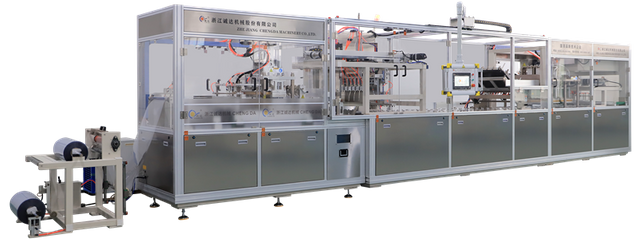
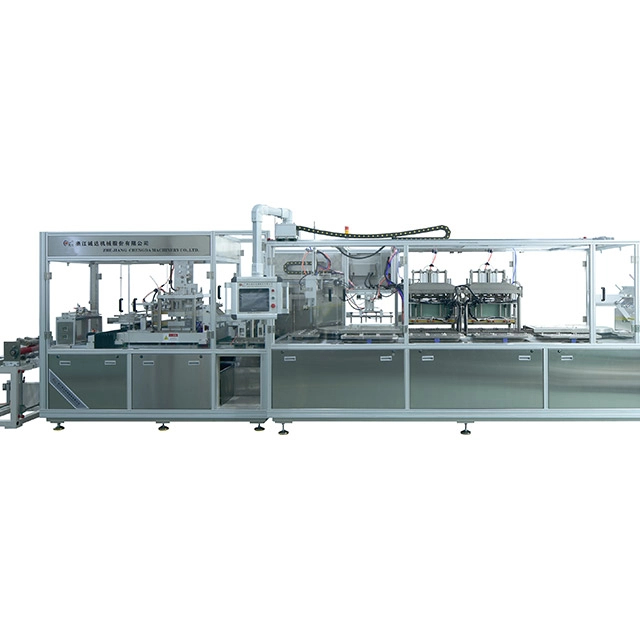
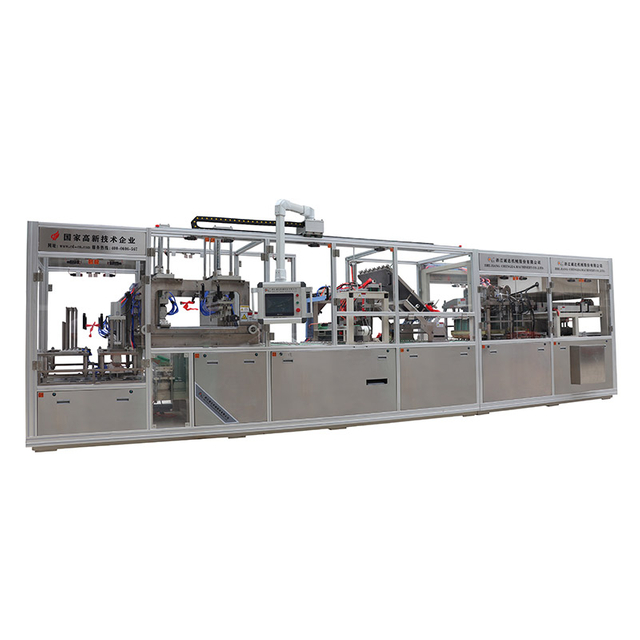
Roller plate blister machines mix the best parts of roller and flatbed machines. They use both flat forming and roller sealing methods. Each part of the machine, like forming, sealing, cutting, and shaping, has its own motor. This helps the machine run smoothly and seal packages well. It also makes the machine work fast.
Roller plate blister packaging machines are known for being quick and flexible. They can pack many shapes and sizes, so they are good for making lots of packages. These machines use smart controls and can change materials quickly. They are best for deep blisters and tricky packaging jobs.
| Machine Type | Forming Method | Heating & Shaping of Film | Sealing Method | Output Speed | Typical Applications |
|---|---|---|---|---|---|
| Flat Forming (Flatbed) | Film softened by flat heating device | Film blown into blister by compressed air | Flat sealing device | Slower | Pharmaceuticals, food, electronics, medical devices |
| Roller | Film heated and softened by heating | Film vacuum-sucked into shape by roller forming die | Roller heat sealing | Moderate | Tablets, capsules, consumer goods, cosmetics |
| Roller Plate | Hybrid of flat forming and roller sealing | Combines flat forming and roller sealing principles | Roller sealing combined with plate forming | High-Speed | Mass production, deep blisters, various product shapes and sizes |
Note: Roller plate blister machines are the fastest of the three types.
Unique Features:
Can use both aluminum-plastic and aluminum-aluminum
Each part has its own servo control
Uses PLC automatic and frequency control
Quick platforms make changing materials easy
Smart automation helps the machine run smoothly
Summary Table: Speed Comparison
| Machine Type | Output Speed | Notes on Speed Comparison |
|---|---|---|
| Roller | Moderate | Faster than flat plate but slower than roller-plate |
| Flat Plate | Slower | Slowest among the three types |
| Roller-Plate | High-Speed | Fastest output speed among the three types |
Each type of blister packaging machine has its own special benefits. Companies should think about what they need, what they are packing, and what features they want before choosing a machine.
Blister packaging uses two main ways to shape packages. These are thermoforming and cold forming. Each way shapes the material differently and fits different products.
| Aspect | Thermoforming | Cold Forming |
|---|---|---|
| Materials Used | Plastic sheets such as PVC, PET, or PP | Aluminum-based laminates often laminated with plastic |
| Process | Heating plastic sheets to make them pliable, then molding and cooling | High-pressure molding of aluminum laminates without heat |
| Production Speed | Faster, suitable for high-volume production | Slower production process |
| Packaging Type | Transparent packaging for product visibility | Opaque packaging |
| Protection | Less protection against moisture and oxygen | Superior protection against moisture, oxygen, and light |
| Cost | More cost-effective | Higher cost |
| Applications | Solid pharmaceuticals like tablets and capsules | Moisture and light-sensitive products |
| Shelf Life | Standard shelf life | Longer shelf life |
Thermoforming blister packaging machines heat plastic sheets until they get soft. The machine shapes the soft plastic into blisters using pressure or a vacuum. This makes clear, hard packages that let people see what is inside. Thermoforming is fast and does not cost much, so it is good for making lots of packages.
Many companies use thermoforming blister packaging machines. Drug makers pack tablets and capsules with them. Food companies use them for snacks and small packs. Electronics and personal care items also use this method. The clear package helps show off the brand and lets people check the product easily.
Tip: Thermoforming blister packaging keeps products safe from dirt and tampering. It also helps save money.
Cold-forming blister packaging machines use films made from aluminum. The machine presses the film into shape with high pressure but does not use heat. This makes a strong, solid package that blocks water, air, and light. Cold forming is slower and costs more than thermoforming, but it gives the best protection for sensitive things.
Drug companies pick cold-forming blister packaging machines for medicines that need extra care. These include hormones, antibiotics, and other drugs that lose power if they touch air or light. The package helps the medicine last longer and stay safe.
Cold forming works best for:
Pharmaceuticals and nutritional supplements
Sensitive foods like chocolate and powdered milk
Medical devices and small expensive items
Note: Cold-forming blister packaging machine packs are not clear, but they protect delicate products very well.
Blister packaging machines can work in two main ways. One way is called continuous mode. In this mode, the machine keeps running without stopping. It forms, fills, and seals the blister packaging all at once. This way is best for big factories that need to make many packages fast. Companies pick continuous mode when they want every package to look the same. The machine’s steady work helps keep the quality the same.
The other way is called intermittent operation. Here, the machine moves in steps and stops between each step. It pauses after forming, filling, and sealing. This gives workers more control over the process. It is good for small batches or special orders. Intermittent machines are easier to change and fix.
The table below shows the main differences:
| Aspect | Continuous Operation Mode | Intermittent Operation Mode |
|---|---|---|
| Operation | No pauses; synchronized steps | Steps performed with pauses |
| Efficiency | High; handles more products per hour | Lower; suited for smaller batches |
| Flexibility | Low; less adaptable to changes | High; easy to adjust |
| Maintenance | More complex | Simpler |
| Best for | Large-scale, uniform production | Varied or custom production |
Tip: Continuous mode is great for making lots of the same product. Intermittent mode is better for special or small jobs.
Blister packaging machines also have different ways to shape and seal packages. Rotary machines use round molds that spin as they work. This lets them make many packages quickly. Rotary machines are good for big jobs and simple shapes. They can make up to 7,500 packages every hour.
Flat-plate machines use flat molds that open and close. They stop and go for each package. This gives more time to seal and makes the seal stronger. Flat-plate machines are best for small or medium jobs. They work well for tricky shapes and can use many materials.
The table below compares these two designs:
| Aspect | Flat-Plate (Platen) Design | Rotary Design |
|---|---|---|
| Operation Mode | Intermittent | Continuous |
| Speed | Lower | Higher |
| Precision | High; supports complex shapes | Focus on throughput |
| Sealing Quality | Excellent; uniform pressure | Good; linear contact sealing |
| Best for | Small batches, custom packaging | Large runs, simple shapes |
Note: Rotary machines are best for fast, big jobs. Flat-plate machines are better for careful, special packaging.
Blister packaging machines have three main automation levels. These are manual, semi-automatic, and fully automatic. Each level is good for different jobs. They also change how much work people need to do.
Manual blister packaging machines are best for small jobs. People use them for testing products or special projects. Workers do every step by hand. They load the materials, seal, and cut the packages. These machines are small and easy to move. They do not need much training to use. Manual machines are good for packing tablets, capsules, hardware, and small electronics. Companies like them because they cost less and are easy to take care of.
Key characteristics of manual blister packaging machines:
Workers can control each step closely
Settings can be changed for different jobs
They use little energy and are good for the environment
Few moving parts mean less fixing is needed
Manual blister packaging is great for short jobs, new businesses, or when saving money is important.
Semi-automatic blister packaging machines mix hand work with machine help. People put in the products and materials. The machine shapes, seals, and cuts the packages. This makes the work faster and more even than manual machines. Semi-automatic machines are still small and simple to use. They are good for making a medium number of packages.
| Factor | Semi-Automatic Blister Packaging Machine |
|---|---|
| Nature | Light-duty, needs some help from people |
| Structure | Small, simple, and not heavy |
| Process | Stops and starts, people load and unload, machine does the rest |
| Speed | Not very fast, depends on the worker |
| Capacity | Not high, depends on the person |
| Cost | Not expensive, good for small or medium businesses |
| Application | Used in labs, herbal, food, and hardware industries |
Semi-automatic blister packaging is good for companies that want some flexibility. It is also good if they do not want to spend a lot on full automation.
Fully automatic blister packaging machines do everything by themselves. They shape, fill, seal, and cut the packages very fast. These machines are used for big jobs. They have smart controls, touch screens, and sensors to make sure everything works right. Companies save money on workers, make more packages, and get the same quality every time.
Benefits of fully automatic blister packaging machines:
They can make up to 300 blisters each minute
They work with many types of packages and materials
You can change jobs quickly without tools
Smart systems make them safe and efficient
They can grow with the company’s needs
Automation in blister packaging machines means less hand work, more speed, and better results. Companies can make more packages without hiring more people, so these machines are best for big factories.
To pick the right blister packaging machine, you need to know how much you want to make. Companies should choose a machine that matches how many packages they need. Rotary machines are best for making lots of packages fast. Flat-plate machines are better for smaller or medium jobs. Here are some steps to help you decide:
Figure out how many packages you need each hour or shift.
Pick a machine that can make this many, like rotary for big batches or flat-plate for smaller ones.
Make sure the machine works with your packaging materials and product sizes.
Look for features like servo motors or automatic feeders to help work faster.
Check if the machine follows rules like cGMP or FDA.
Think about after-sales help and maintenance to keep the machine working.
If a company wants to grow, it should pick a blister packaging machine that can be upgraded later.
The kind of product and how it needs to be packed are very important. Thermoforming machines use hot plastic film to make clear blisters. These are good for medicines, food, and supplements that need to be seen. Cold forming machines use aluminum to keep out light, water, and air. This is best for medicines that need extra protection. Fully automatic machines are good for making lots of the same thing. Semi-automatic machines are better for special or small jobs. The packaging material matters too, like Alu-PVC for see-through packs or Alu-Alu for sensitive drugs. Companies must check if the machine can use the right materials and keep the product safe.
Cost and maintenance are important when picking a blister packaging machine. The table below shows the usual prices and what each machine needs to keep working:
| Machine Type | Typical Cost Range (USD) | Key Features and Maintenance Requirements |
|---|---|---|
| Manual Blister Packaging Machine | $450 – $1,200 | Good for small jobs; people load and seal by hand; needs cleaning and new parts often. |
| Semi-Automatic Blister Machine | $4,000 – $10,000 | Mixes hand work and machine help; makes more packages; needs oil, spare parts, and worker training. |
| Fully Automatic Blister Machine | $10,000 – $100,000+ | Very fast and makes lots of packages; has smart features; needs experts to set up, fix, and check often. |
Cleaning, oiling, and changing parts help machines last longer. Companies should save money for extra parts, help from experts, and teaching workers. The best choice is one that fits the budget, is easy to take care of, and makes enough packages.
Blister packaging machines come in different types. Each type has its own special strengths. The table below shows the main differences:
| Feature | Manual Machines | Automatic Machines |
|---|---|---|
| Production Capacity | Lower | Higher |
| Labor Needs | More | Less |
| Upfront Cost | Lower | Higher |
People should think about how much they need to make. They should also look at what kinds of products they have. It is important to know how much help from machines is needed.
Check if the machine works with your materials and products.
Think about growing your business and keeping quality high.
Talk to machine makers to get the best advice.
Picking the right machine helps you pack things quickly and well.
Blister packaging machines can pack tablets, capsules, candies, batteries, and small electronics. Many companies in medicine, food, and electronics use these machines. They help keep products clean and safe from water and dirt.
A company picks thermoforming when it wants clear packs and fast work. Cold forming is better for things that need more protection from light, air, and water. The choice depends on how sensitive the product is and how long it should last.
Most blister packaging machines need cleaning and simple checks often. Fully automatic machines might need experts for some parts. Taking care of the machine helps it work well and last longer.
Many new blister packaging machines let you change jobs quickly. Workers can switch between products and pack sizes with little waiting. This makes it easy for companies to pack many kinds of products.