English
Views: 0 Author: Site Editor Publish Time: 2025-11-27 Origin: Site


Have you ever wondered how medication stays safe and easy to use? A pharmacy blister pack plays a crucial role in this. In this article, we'll dive into the design and benefits of blister packs. These packs are essential in ensuring medication safety and improving patient compliance. You'll learn how they are made, the types of blister packs, and their advantages in the pharmaceutical industry.
A pharmacy blister pack is a type of packaging commonly used for pills, tablets, capsules, and other dosage forms of medication. The design includes a plastic mold with individual compartments, each holding one dose of medication. These compartments are formed to fit the shape of the medicine, offering clear visibility of each dose.
Blister packs are typically made with a transparent plastic front, which allows the patient to easily see the medication inside. The back of the blister pack is sealed with a layer of aluminum foil or plastic, ensuring that the medication is securely contained. This design helps in organizing and protecting each dose, making it easier for patients to track their medication schedule.
Blister packs are made from a combination of materials that ensure the protection and preservation of the medication. The materials commonly used in blister pack design include:
● PVC (Polyvinyl Chloride): This plastic is commonly used for forming the cavities of the blister pack. It provides flexibility and transparency, which makes it ideal for showing the contents clearly. PVC is also durable and can be molded to fit different shapes and sizes of tablets or capsules.
● PET (Polyethylene Terephthalate): PET is a more rigid plastic often used for products that require additional strength and protection. It is impact-resistant and offers greater protection than PVC, making it suitable for sensitive or fragile medications.
● Aluminum foil: Aluminum is typically used for the backing of the blister pack. It acts as an excellent barrier to moisture, air, and light, ensuring that the medication stays fresh and effective. The foil is heat-sealed to the plastic, creating an airtight seal that prevents contaminants from entering.
Material | Purpose | Common Uses |
PVC | Flexible, transparent, and durable material for blisters. | Tablets, capsules, and soft medication. |
PET | Strong, rigid plastic for additional protection. | Medical devices, more sensitive tablets. |
Aluminum foil | Protects against light, moisture, and air. | Backing for blister packs to ensure freshness. |
Blister packs are designed with several key features that contribute to their effectiveness in the pharmaceutical industry. These features are focused on ensuring the safety, security, and ease of use of the medication.
The sealing of blister packs is a critical feature. Blister packs are usually sealed using heat sealing, where heat is applied to the plastic and aluminum layers, causing them to bond together. This method creates a tight, secure seal around the medication, preventing exposure to air, moisture, and other contaminants that could affect the drug's efficacy.
The heat-sealed blister pack ensures that each dose is safely enclosed, providing protection during storage and transportation. This process also helps to extend the shelf life of the medication by maintaining its potency.
To enhance safety, blister packs often include tamper-evident features. These features are designed to alert users if the packaging has been compromised. For example, perforated edges or a tamper-proof seal can help identify if a blister pack has been opened or altered.
These tamper-evident designs are crucial in maintaining the integrity of the medication, ensuring that the user receives the exact dosage as intended by the manufacturer. Additionally, they provide an extra layer of security, particularly for prescription medications, preventing unauthorized access or misuse.
Blister packs offer a range of benefits that make them a preferred choice for pharmaceutical packaging. These advantages are crucial in ensuring the safety, effectiveness, and convenience of medications for patients.
Blister packs are designed with single-dose compartments that make it easier for patients to track their medication. Each compartment holds a single dose, clearly visible to the patient. This helps prevent errors, such as taking the wrong dose or missing doses. Patients can easily see whether they have taken their medication for the day and know when it’s time for the next dose.
This is especially beneficial for patients on long-term treatments or those managing chronic conditions. The simplicity of blister packs improves adherence to prescribed schedules, helping patients stay consistent with their medication regimen. As a result, blister packs contribute to better health outcomes and reduce the chances of medication-related complications.
Blister packs are designed to offer protection from external elements, such as moisture, light, and air. These environmental factors can degrade the quality and potency of medications over time. By using materials like PVC, PET, and aluminum, blister packs provide a strong barrier that keeps medications safe from moisture and oxygen, which could potentially compromise their effectiveness.
Aluminum foil, commonly used as the backing in blister packs, serves as an effective shield against light, which can cause certain drugs to lose their potency. This protection ensures that the medication remains stable until it is used, preserving its therapeutic effects and extending its shelf life.
Element | Protective Material | Benefit |
Moisture | PVC, PET, Aluminum foil | Prevents degradation due to moisture exposure. |
Light | Aluminum foil | Protects light-sensitive medications from UV. |
Air | Aluminum foil | Prevents oxidation and ensures drug stability. |
Blister packs provide convenience and portability for patients. The compact design of blister packs makes them easy to transport and store. Patients can easily carry them in their bags or pockets, allowing for medication on-the-go. This is particularly important for people who travel or have busy schedules.
Moreover, blister packs are easy to use. They are designed for quick access to each dose, with the patient simply pressing through the plastic to remove the medication. This ease of use makes it less likely that patients will struggle to open their medications, ensuring a more reliable medication experience.
Tip: Blister packs not only provide portability but also reduce the risk of overusing or misplacing medications, making them a practical and safe option for everyday use.
Blister packs come in various designs, each suited to different types of medications and patient needs. The type of blister pack used depends on factors such as the medication’s nature, patient safety requirements, and convenience.
Standard blister packs are the most common and widely recognized type of blister packaging. These packs are typically used for tablets and capsules and are found in most pharmacies. They consist of a plastic mold that holds each dose in a separate compartment. The pack is sealed with a backing, often made from aluminum foil, to ensure the medication stays safe and secure.
The classic design of standard blister packs allows for easy visibility of the medication. This helps patients identify the exact medication they need to take. Standard blister packs are simple to use and effective for single-dose medications, making them a popular choice for both prescription and over-the-counter drugs.
Child-resistant blister packs are specifically designed to prevent children from accessing the medication inside. These packs use special mechanisms that require extra effort or specific actions to open. The goal is to make it more difficult for children to accidentally ingest the medication, thus enhancing safety.
The design often includes features such as push-and-turn caps or pressure-sensitive seals that must be pressed in a certain way to release the contents. Child-resistant blister packs are essential for medications that pose a risk if ingested by children. They provide peace of mind to caregivers and parents, ensuring that medications are kept out of reach of young children.
Feature | Benefit | Common Uses |
Push-and-turn | Prevents easy access by children. | Prescription medications, pain relievers |
Pressure-sensitive | Requires force to open, discouraging tampering. | Over-the-counter drugs, vitamins |
Push-through blister packs are a unique type of packaging where the medication is dispensed by pressing through the blister. These packs are ideal for products where the patient needs to directly access the pill or tablet by pushing it through the plastic mold.
This design is often used for blister packs that contain individually sealed doses, such as lozenges or vitamins. Push-through blister packs offer a convenient way for patients to remove the medication without the need for tearing or opening the pack entirely. The medication can be easily pressed out of the compartment, allowing for quick and clean dispensing.
This type of packaging is particularly beneficial for products that require minimal handling and offer easy access to the medication without compromising its integrity.
Blister packs are manufactured using advanced machinery and precise processes to ensure that medications are securely packaged and protected. The production of blister packs involves several key steps, each contributing to the overall quality and functionality of the final product.
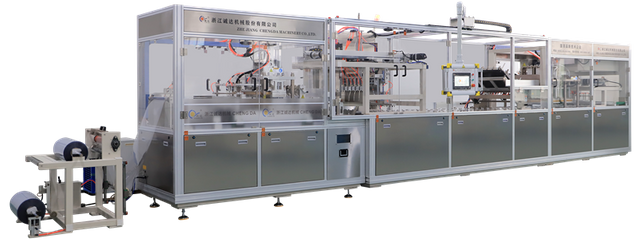
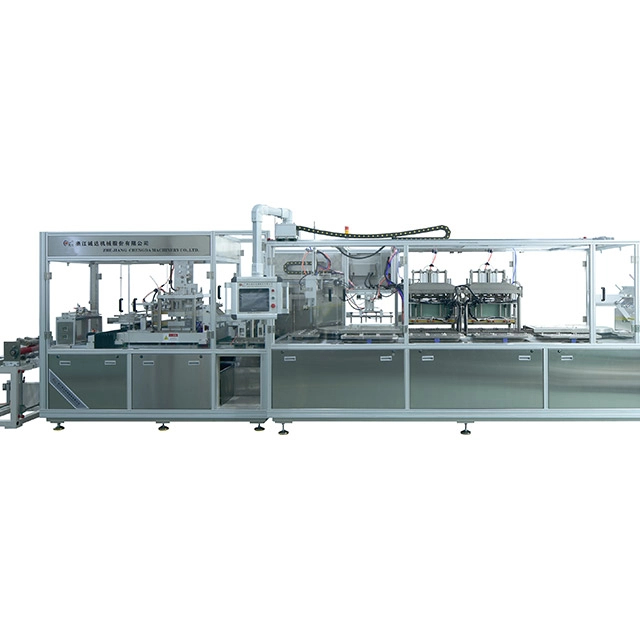
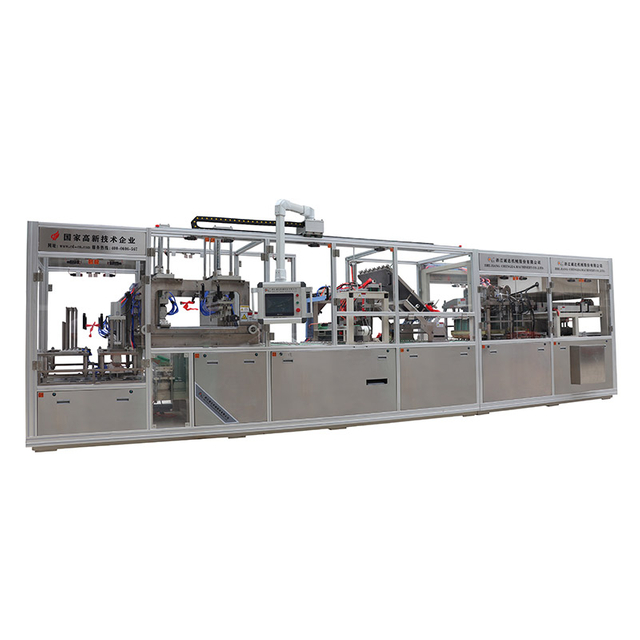
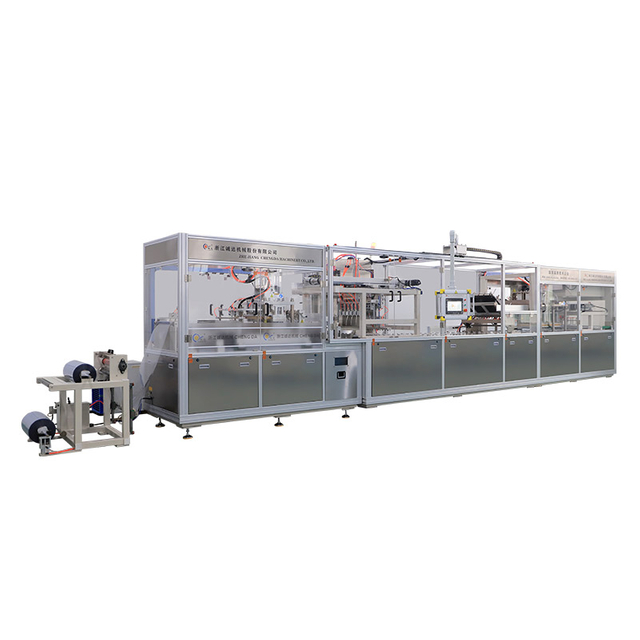
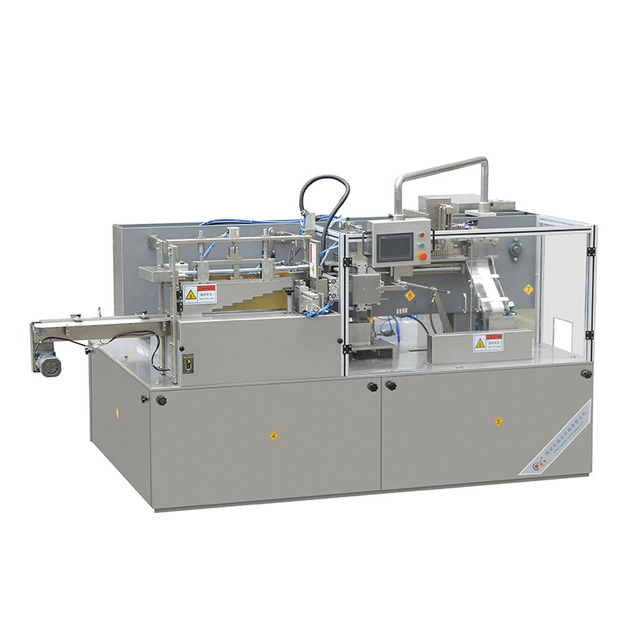
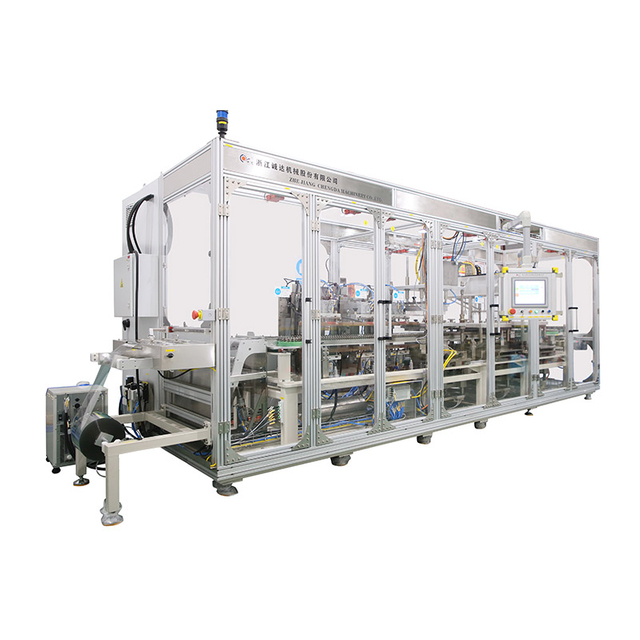
A blister machine plays a central role in the manufacturing process. It is responsible for forming, filling, and sealing the blister packs. The machine first forms the plastic into individual compartments, where each compartment will hold a single dose of medication. Once the mold is created, the blister machine fills each compartment with the correct dose of medication. The machine then seals the pack, ensuring that the medication is protected and secure inside the blister.
Blister machines are available in different models, including automatic and semi-automatic versions. These machines are designed for high efficiency, enabling the fast production of blister packs. They are equipped with advanced features, such as servo-driven controls, to ensure precision and consistency in each cycle. Additionally, some machines are equipped with inspection systems that monitor the quality of the blister packs, checking for defects and ensuring that only properly sealed packs reach the market.
The blister forming process involves shaping the film into individual compartments using a specialized mold. The process starts with a roll of plastic film, often made from PVC, PET, or other materials. The film is fed into the blister machine, where it is heated until it becomes soft and pliable. The heated film is then pressed into a mold, which forms it into the shape of the individual compartments.
Once the film is formed into blisters, the next step is filling the compartments. This is typically done through a machine-controlled process that accurately places the medication into each blister. Depending on the type of medication, the filling can be done manually or automatically. After the compartments are filled, the machine moves to the next stage: sealing.
Sealing is a critical part of the blister pack manufacturing process. The blister machine uses a heat sealing method to bond the plastic film with a backing material, usually aluminum foil. Heat is applied to both the plastic and the backing material, causing them to fuse together and form a tight seal. This process ensures that the medication remains secure and protected from external elements like moisture and air.
Once the blister pack is sealed, the final step is cutting the packs into individual units. The sealed strips of blister packs are cut into smaller segments, each containing one or more doses of medication. This cutting process is precise, ensuring that each blister pack is properly sized and ready for distribution.
Blister packs are used in a wide range of applications, primarily in the pharmaceutical and healthcare sectors. They provide an efficient and secure method of packaging medications, ensuring that they remain safe and effective until they are consumed. Below are the key areas where blister packs are most commonly used.
Blister packs are widely used in drug packaging, especially for prescription medications. They are ideal for packaging tablets, capsules, and other solid dosage forms. The compartments in the blister pack are perfectly sized to hold individual doses, ensuring that each dose is taken at the right time and in the right amount.
The design of blister packs makes them a popular choice for the pharmaceutical industry. Not only do they protect medications from external factors like moisture and air, but they also offer easy access for patients. Blister packs help patients keep track of their doses and prevent accidental overdose, which is particularly important for drugs with strict dosage requirements.
Blister packs are also commonly used for over-the-counter (OTC) medications. These products are sold directly to consumers without a prescription and include common drugs such as pain relievers, vitamins, and cold medications. The compact and secure design of blister packs makes them ideal for retail environments.
OTC medications often come in smaller quantities compared to prescription drugs, and blister packs provide a convenient and portable way for consumers to access their medicine. The individual compartments help prevent misuse or confusion, ensuring that patients take the correct amount. Additionally, blister packs offer protection from external elements, ensuring that OTC medications maintain their effectiveness over time.
Blister packs are not limited to pharmaceuticals. They are also used for specialty packaging of medical devices and components. Items such as syringes, bandages, surgical tools, and diagnostic test kits are often packaged in blister packs. The sterile environment created by these packs ensures that the medical devices remain clean and free from contamination until use.
The use of blister packs for medical devices helps protect sensitive components, especially those that require sterile conditions. By using tamper-evident seals and strong barriers against contamination, blister packs ensure that medical devices remain in optimal condition. This type of packaging is essential for maintaining the safety and integrity of medical equipment, particularly in hospitals and clinics.
Blister packs play a crucial role in pharmaceuticals, providing secure, easy-to-use packaging for medications. They improve patient compliance, protect against external elements, and offer convenience. As packaging technology advances, we may see more eco-friendly solutions and innovations. Companies like Chengda offer reliable blister packing machines that ensure quality and efficiency, delivering value by enhancing medication safety and accessibility.
A: A pharmacy blister pack is a packaging solution that holds individual doses of medication in separate compartments, typically made from plastic and sealed with aluminum foil.
A: A blister machine forms, fills, and seals blister packs. It uses heat and pressure to create individual compartments for each dose, ensuring medication is securely packaged.
A: Blister packs protect medications from moisture, air, and light, and they help improve patient compliance by organizing doses.
A: Common materials include PVC, PET, and aluminum foil, each chosen for their protective properties to ensure the integrity of the medication.