English
Views: 0 Author: Site Editor Publish Time: 2025-09-20 Origin: Site


Blister packing machines play a crucial role in modern packaging. Have you ever wondered how tablets, syringes, or even small hardware are perfectly sealed in protective packaging? These machines make it possible with precision and speed.
In this post, we’ll explore how blister packing machines work and why they’re vital across industries. You’ll learn how these machines create secure, tamper-evident packaging and discover their key applications in pharmaceuticals, food, cosmetics, and more.
Blister packing machines automate the process of creating protective packaging for various products. This section will explore the key steps in their operation, including forming, filling, sealing, and cutting. Understanding these principles will help you appreciate how these machines work efficiently and consistently across different industries.
The forming process begins with a thermoformable film, typically made from materials like PVC, PET, or paper-based materials. These films are heated and molded into cavities that will hold the product securely.
● PVC: Common in pharmaceutical packaging.
● PET: Used for food and cosmetic products.
● Paper-based: An eco-friendly option for sustainable packaging.
The film is heated until it becomes soft and pliable. Once heated, it is shaped into cavities using specialized molds. These molds can be either flat-plate or rotary-drum systems.
● Flat-Plate Systems: Operate with intermittent motion and are ideal for smaller-scale production.
● Rotary-Drum Systems: These use continuous motion, making them perfect for high-volume production. A rotary drum system can achieve speeds of 150+ packs per minute, minimizing material waste and maximizing efficiency.
The next step is filling the cavities with products. A wide range of products can be packaged in blister packs, including:
● Tablets and Capsules
● Liquids and Syringes
● Irregularly shaped products (e.g., small mechanical parts)
Products are loaded into the blister cavities through automated systems. These systems include:
● Automated Feeders: Automatically place products into each blister.
● Vibratory Trays: Shake products into position for more accurate loading.
For irregular products, precision dosing systems ensure accurate placement and filling. This technology minimizes waste and guarantees that each blister pack is filled precisely.
Once the blister cavities are filled, the next step is sealing. There are two main sealing methods used in blister packing machines:
● Rotary Sealing
○ Ideal for flat items such as tablets or candies.
○ Benefits: Faster operation and reduced dwell time, minimizing heat damage to the product.
○ Application: Best for continuous production runs.
● Platen Sealing
○ Suitable for more complex shapes like syringes or ampoules.
○ Benefits: Provides a secure seal for difficult-to-pack items but is slower than rotary sealing.
The sealing materials used in this process typically include aluminum foil, composite film, or dialysis paper.
The final step in the blister packaging process is cutting and trimming. After sealing, the blisters are separated into individual packs. This is done using a die-cutting process that shapes the blister packs and removes excess material.
● Scrap Material Removal: Any leftover film is either ejected or recycled.
● Environmental Considerations: Many machines today are designed to recycle scrap material, helping to minimize waste and improve sustainability.
Die-cutting tools precisely separate each blister from the strip. The scrap material is then either ejected from the system or directed to a recycling station for further processing.
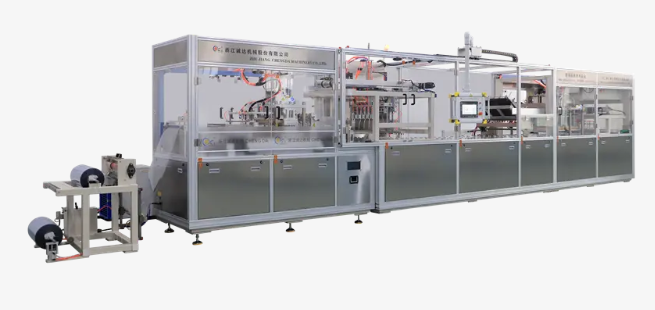
Blister packing machines have evolved significantly, incorporating cutting-edge technologies that enhance efficiency and precision. Let's explore the advancements in servo technology, quick mold change systems, and touchscreen interfaces.
Servo technology plays a key role in improving the precision and control of blister packing machines.
● Precise Movement Control: With servo-driven indexing, the machine can move with pinpoint accuracy, ensuring consistent forming and sealing of each blister.
● Enhanced Speed and Efficiency: Servo motors reduce the likelihood of errors, leading to smoother operations and faster production cycles.
By offering precise control over each motion, servo systems help optimize the machine’s overall performance, reducing product defects and downtime.
Quick mold changes have become a game-changer for manufacturers who need flexibility in production.
● Faster Production Cycles: Machines equipped with quick mold change systems allow for rapid switching between molds, minimizing downtime between runs.
● Flexible Production: These systems are perfect for small-batch runs and custom packaging, ensuring manufacturers can switch products without a long wait time.
Machines designed with quick mold change systems can have mold change times as short as 15 minutes, significantly boosting overall production efficiency.
Touchscreen interfaces are revolutionizing how operators interact with blister packing machines.
● User-Friendly Setup: These interfaces simplify machine setup, making it easier for operators to adjust settings quickly and efficiently.
● Streamlined Adjustments: Touchscreens provide a visual and intuitive way to modify parameters, reducing the need for manual input and minimizing human error.
The use of touchscreen technology means fewer mistakes during the production process, improving consistency and speeding up the setup time for each job.
Automation in blister packing machines has taken efficiency to new heights.
● Automation Benefits: With automation, machines can run continuously with minimal manual input, reducing the chances of human error and speeding up production.
● Control Features: The touchscreen system enables operators to fine-tune the machine’s settings for optimal performance, ensuring high-quality packaging on every run.
These advancements make modern blister packing machines more reliable, faster, and cost-efficient than ever before.
Blister packing machines are essential in the pharmaceutical industry, ensuring safe and reliable packaging for various drug products. These machines are designed to meet strict regulatory standards and provide the highest levels of protection for sensitive pharmaceutical items.
Blister packing machines provide an effective solution for packaging capsules, tablets, and syringes. The packaging ensures tamper-evidence and moisture resistance, crucial for maintaining product integrity.
● Tamper-Evidence: Blister packs provide visible proof if the product has been tampered with, ensuring safety for consumers.
● Moisture Resistance: These machines use films like Alu-PVC and Alu-Alu to create strong, moisture-resistant barriers, protecting medications from environmental damage.
For drug packaging, two main standards are commonly used in blister packs:
● Alu-PVC: Ideal for standard tablets and capsules.
● Alu-Alu: Provides a higher level of protection for sensitive drugs by offering a stronger barrier against moisture, oxygen, and light.
These packaging materials meet the pharmaceutical industry’s strict requirements, helping maintain the potency and effectiveness of the drugs.
Blister packing machines also play a critical role in packaging high-potency active pharmaceutical ingredients (HPAPI). HPAPIs are powerful drugs that require special containment methods.
● Specialized Films: These machines use films specifically designed to contain potent drugs, minimizing exposure to the environment and preventing contamination.
● Containment: By using these films, blister packing machines ensure that even highly potent drugs are safely packaged, adhering to regulatory standards for containment.
Blister packing machines are not just for pharmaceutical drugs; they also package medical devices, including catheters, surgical tools, and diagnostic kits.
● Sterility Requirements: These devices must be packaged in sterile environments to prevent contamination. Blister packing machines ensure that the products remain sterile and free from contamination during packaging and transportation.
● Compliance with ISO 11607: Blister packing machines are designed to meet ISO 11607 standards, which cover the packaging requirements for sterilized medical devices. This ensures that all medical devices are sealed and sterile until use.
Blister packing machines have become a vital tool in the food and beverage industry, offering a range of packaging solutions that enhance product safety, presentation, and convenience. This section explores how these machines are used to package single-serve food products, promote sustainability, and even create novelty packaging.
Blister packing is particularly popular for single-serve food products. Items like butter, honey, and jam are packaged in small, convenient doses for on-the-go consumers.
● Single-Serve Convenience: Blister packs allow for individual servings of products like butter, honey, and jam, which makes them perfect for convenience stores, restaurants, and travel.
● Packaging Types: The food is securely contained within the blister, maintaining freshness and preventing contamination.
Blister packing machines use eco-friendly materials for food packaging, such as paper-plastic composites, making them suitable for companies seeking sustainable alternatives.
The demand for eco-friendly packaging in the food industry has led to significant innovations in blister packing technology.
● Biodegradable Films: Emerging trends show a shift toward using biodegradable films made from natural materials, such as PLA (polylactic acid) and cellulose-based films. These materials break down naturally, reducing plastic waste.
● Recyclable Options: Blister packs made from recyclable materials like PET are becoming more popular as sustainability in packaging becomes a priority for consumers and brands alike.
The food and beverage industry is responding to growing concerns about plastic waste by adopting greener packaging solutions that still maintain product safety and freshness.
Blister packing isn't just for food; it also plays a significant role in novelty packaging.
● Toys in Chocolate Eggs: One popular example is the packaging of toys inside chocolate eggs, which use blister packs to securely hold the toy in place.
● Novelty Packaging: This type of packaging is a fun way to attract attention, especially in markets like children's treats and holiday promotions.
Blister packs offer a unique benefit in terms of consumer appeal. Their design not only ensures that products stay safe but also makes them highly visible and attractive on store shelves.
● Product Visibility: Blister packs allow consumers to see exactly what they’re buying, which can increase trust and drive purchases.
● Engagement: The clear plastic material enhances the visual appeal, making it easy for consumers to spot the product. For novelty items like surprise eggs, the packaging often becomes part of the fun.
Blister packaging helps companies create products that stand out, enticing customers with both the product and its packaging.
Blister packing machines play a key role in the cosmetics and personal care industry, offering secure, attractive, and convenient packaging solutions for a variety of products. In this section, we will explore how blister packing is used to package single-use cosmetic items, preserve product freshness, and enhance consumer appeal.
Blister packs are ideal for packaging single-use cosmetic products such as serums, creams, and wipes.
● Single-Use Convenience: Blister packing is perfect for products like travel-sized serums or wipes, providing consumers with a ready-to-use portion without waste.
● Compact Design: These packs are small, easy to carry, and highly convenient for consumers on the go.
The ability to package products in small, single-use portions also helps reduce product waste, offering both convenience and sustainability.
One of the most significant advantages of blister packaging in the cosmetics industry is its visual appeal.
● Product Visibility: Transparent blister packs allow consumers to clearly see the product inside. This visibility adds to the appeal of products like serums and creams, giving customers confidence in their purchase.
● Attractive Design: The clear plastic often enhances the product’s presentation on retail shelves, making it stand out and attracting potential buyers.
With a visual design that showcases the product, blister packs contribute to a more appealing display in stores.
Blister packing is not just about looks; it also provides excellent protection for cosmetic products.
● Preserving Freshness: The sealed compartments in blister packs protect creams and serums from air and moisture, helping to maintain their freshness and effectiveness.
● Contamination Prevention: The packaging ensures that each dose remains free from contaminants, preserving the product's quality until it’s used.
Blister packs also offer a strong barrier against external elements like light, air, and humidity, making them essential for maintaining the integrity of high-quality cosmetic products.
Blister packing machines are widely used in the industrial and hardware sectors to package small parts and hardware products. These machines provide efficient packaging solutions that protect delicate items and enhance their retail presentation.
Blister packing machines are perfect for packaging small hardware items like screws, batteries, and other tiny components.
● Secure and Organized: Small parts are securely held in individual compartments, preventing movement or damage during transportation.
● Protection Against Damage: The packaging prevents scratches, dents, or damage to sensitive items, maintaining their integrity.
Blister packaging is a reliable method for ensuring small hardware items remain in perfect condition, ready for distribution or retail sale.
For hardware products sensitive to static, anti-static blister packs are used to ensure the safety of electronic components like batteries and circuit boards.
● Static Protection: Anti-static materials in blister packs prevent electrostatic discharge (ESD), which can damage electronic components.
● Durability and Reliability: These blister packs are designed to withstand handling and maintain the condition of the product inside.
These specialized packs ensure hardware products, especially electronic components, are safe and functional when reaching the customer.
Blister packing machines also serve as a great tool for creating retail-ready packaging that enhances product visibility.
● Enhanced Display: Blister packs are transparent, allowing consumers to see the product clearly. This helps draw attention on retail shelves.
● Protection and Appeal: Not only do blister packs protect the products from damage, but they also make them look more attractive to potential buyers.
This combination of visibility and protection makes blister packaging a preferred choice for hardware retailers, providing both security and marketing value.
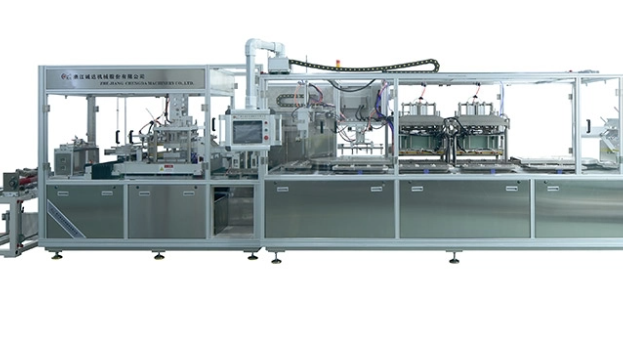
Blister packing machines have become increasingly popular across various industries due to their versatility, precision, and adaptability. Several key features drive the demand for these machines, including material flexibility, precision control systems, safety and compliance features, scalability, and innovative technologies.
Blister packing machines are designed to handle a wide range of materials, giving manufacturers flexibility in packaging different types of products.
● PVC and PVC-PVDC: Commonly used for pharmaceutical and cosmetic packaging.
● Aluminum Foil: Ideal for moisture-sensitive items, ensuring a high level of protection.
● Eco-Friendly Alternatives: Materials like PLA (Polylactic Acid) and cellulose-based films are gaining popularity as eco-friendly packaging solutions.
As the demand for sustainable products increases, more manufacturers are opting for biodegradable and recyclable films, responding to the growing need for eco-friendly packaging solutions.
Precision in forming, sealing, and cutting is essential for high-quality blister packaging. Modern blister packing machines incorporate advanced control systems that ensure consistent and reliable results.
● Temperature Regulation: The ability to precisely control the temperature (±2°C) ensures the perfect seal every time, essential for sensitive products like pharmaceuticals.
● Servo-Driven Indexing: This technology ensures that each movement is accurate, improving the consistency and efficiency of the machine.
In industries like pharmaceuticals, where the integrity of high-potency active pharmaceutical ingredients (HPAPI) is critical, precise control systems are crucial for maintaining product quality.
Blister packing machines are equipped with a variety of safety and compliance features to meet the strict requirements of industries such as pharmaceuticals.
● These machines are designed to meet current Good Manufacturing Practices (cGMP), ensuring that all packaging processes comply with industry standards for quality and safety.
● Enclosed Designs: Blister machines with enclosed designs help ensure the safe handling of hazardous materials, particularly for OEB 3-rated drugs.
● Automated Reject Systems: These systems ensure that any defective products are removed from the production line, helping maintain high-quality standards.
The combination of these features ensures that the blister packing process is both safe and efficient, meeting the regulatory standards required by the pharmaceutical industry.
Blister packing machines are designed to meet a wide range of production needs, from small-scale trials to large-scale commercial production.
● Compact Models: Small benchtop machines, such as those with an 80mm width, are ideal for lab trials or small-batch runs.
● High-Speed Rotary Systems: These systems, which can produce over 200 packs per minute, are perfect for high-volume manufacturing.
● Blister packing machines offer seamless transition between small-batch and large-scale production, making them suitable for various production environments and helping businesses scale quickly.
The blister packing machine market is constantly evolving, with innovations in technology and design driving improvements in performance and efficiency.
● AI-Driven Defect Detection: Some premium blister packing machines use artificial intelligence to detect defects in real-time, improving product quality and reducing waste.
● Remote Monitoring: IoT integration allows operators to monitor the machine's performance remotely, ensuring continuous uptime and improving maintenance efficiency.
● By using IoT-enabled systems, manufacturers can monitor the performance of blister packing machines, predicting potential issues before they occur, minimizing downtime and maximizing production efficiency.
● More manufacturers are embracing sustainable packaging solutions by incorporating energy-efficient operations and recyclable materials into their blister packing machines, aligning with global sustainability goals.
Blister packing machines are essential across industries, from pharmaceuticals to food and cosmetics. These machines ensure product safety, visibility, and convenience.
The future of blister packing technology will focus on sustainability, using eco-friendly materials, and further automation for efficiency.
When selecting a blister packing machine, consider factors like industry, product type, material flexibility, sealing methods, and scalability to meet your production needs.
A: A blister packing machine forms, fills, seals, and cuts pre-shaped plastic cavities to package products securely, ensuring protection and visibility.
A: The machine heats a thermoformable film, molds it into cavities, fills it with products, seals it with a lidding material, and then cuts the finished packs.
A: Industries such as pharmaceuticals, food and beverages, cosmetics, medical devices, and hardware use blister packing machines for packaging.
A: The main types are flat-plate systems for smaller runs and rotary-drum systems for high-speed, high-volume production.
A: Set-up times vary; modern machines feature quick mold changes that can be completed in as little as 15 minutes.
A: Yes, compact benchtop models are ideal for small batches, while high-speed rotary systems handle large-scale production.