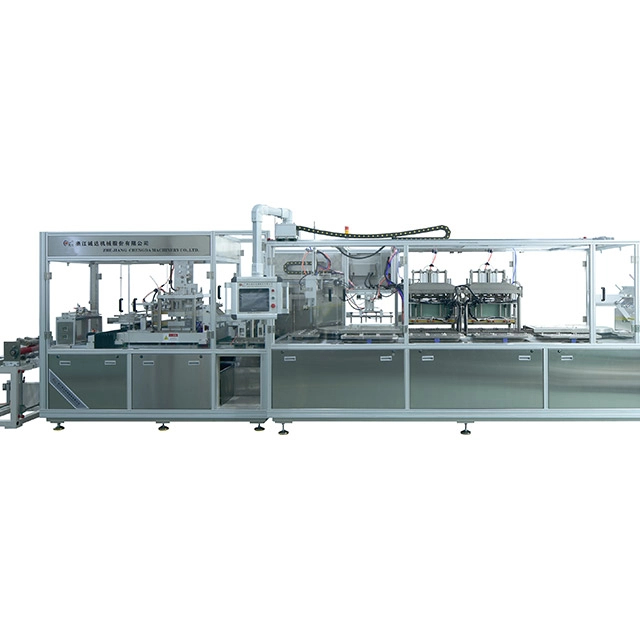
English
Views: 0 Author: Site Editor Publish Time: 2025-09-09 Origin: Site


Ever wondered how products are neatly sealed in those transparent packs? That's the magic of a blister machine. Choosing the right blister machine is crucial for efficient packaging, ensuring product safety and appeal. In this post, you'll learn about blister machine features, types, and essential buying tips to make an informed decision.
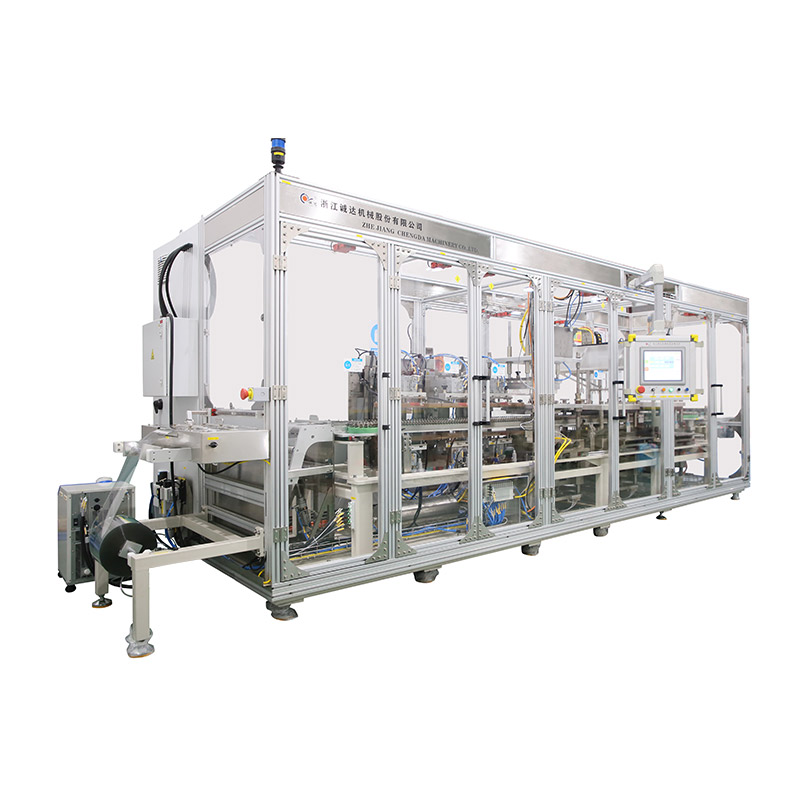
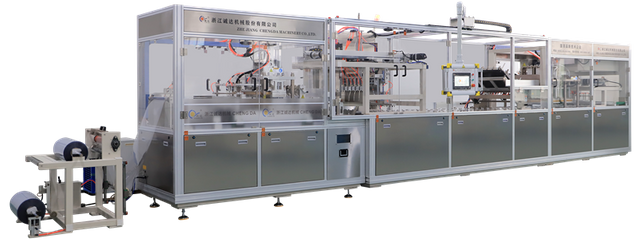
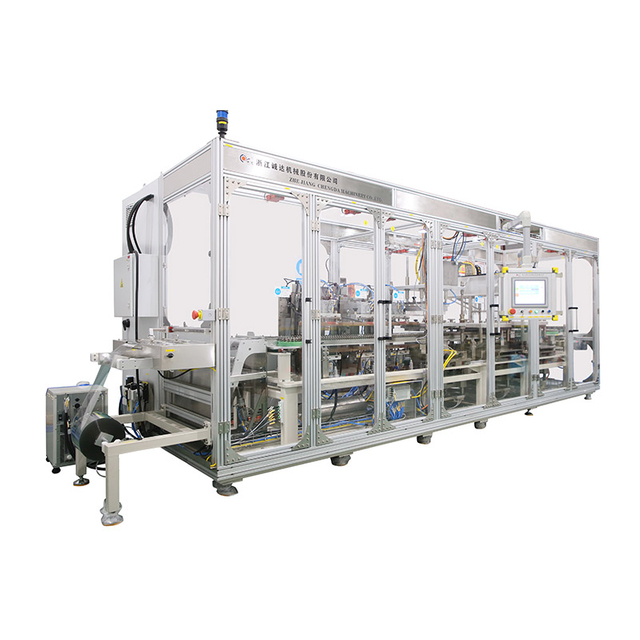
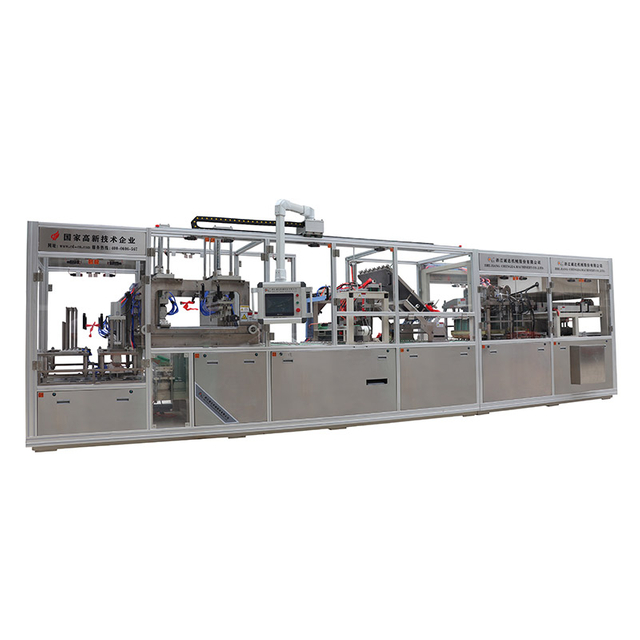
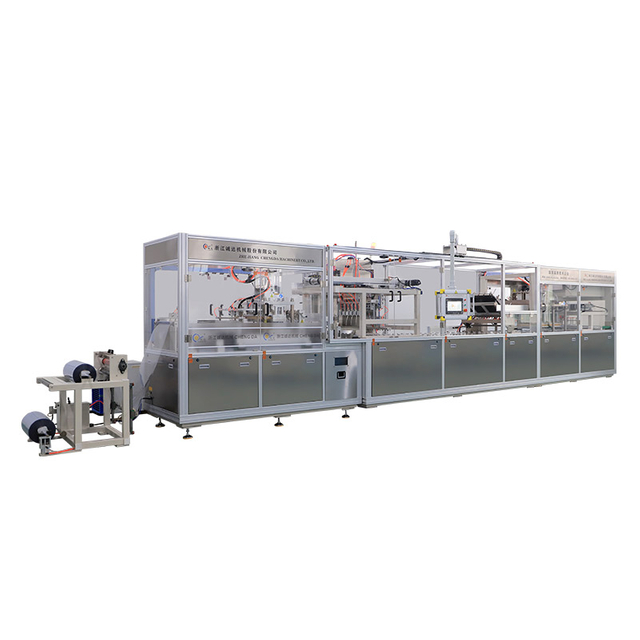
A blister machine is a packaging device designed to form and seal products in pre-shaped cavities or pockets, commonly known as blisters. These machines are widely used in industries like pharmaceuticals, consumer goods, and electronics to protect items, extend shelf life, and provide tamper evidence. The machine works by shaping a plastic or aluminum sheet into cavities that hold the product securely, then sealing it with a backing material such as foil or paperboard.
The process typically involves several steps: forming the blister cavities, filling the cavities with products, and sealing the blister pack. This ensures each item remains safely enclosed and easy to display or distribute. Blister machines improve packaging speed and consistency, reducing manual handling and contamination risks.
Understanding the main components helps in selecting the right machine for your packaging needs. Here are the essential parts:
Forming Station: This section heats and molds plastic or aluminum sheets into blister cavities. The forming method varies by machine type but generally involves thermoforming or cold forming.
Filling Station: After forming, the cavities move to this area where products are inserted. Filling can be manual or automated, depending on the machine’s sophistication.
Sealing Station: Here, a backing material is applied and sealed over the filled cavities. Heat, pressure, or adhesives may be used to create a secure seal.
Cutting Station: The sealed blister packs are cut into individual units or strips, ready for distribution.
Control Panel: This allows operators to set parameters like temperature, speed, and sealing pressure, ensuring optimal performance.
Conveyor System: Moves materials through each station smoothly and efficiently.
Each component plays a vital role in ensuring product protection, packaging quality, and operational efficiency.
Note: Familiarizing yourself with these components will help you evaluate blister machines based on your product requirements and production goals.
Blister machines come in different types, each suited for specific packaging needs and materials. Understanding these types helps you select the right machine for your product and production goals. The three main categories are thermoforming, cold forming, and hybrid blister machines.
Thermoforming blister machines use heat to shape plastic sheets into cavities. The plastic sheet is heated until soft, then formed into molds by vacuum or pressure. This method works well with materials like PVC, PET, or PETG. It offers high clarity and good product visibility, making it popular for consumer goods and pharmaceuticals.
Advantages include:
Faster production speeds
Clear, attractive packaging
Suitable for rigid plastics
However, thermoforming is less suitable for moisture-sensitive products since plastic films are more permeable than aluminum foil.
Cold forming blister machines shape aluminum foil without heat. Instead, they use pressure to press the foil into cavities. This method produces a strong, protective barrier, ideal for products sensitive to moisture, oxygen, or light, such as certain pharmaceuticals.
Benefits of cold forming include:
Superior barrier properties
Excellent protection for sensitive products
Longer shelf life
Cold forming is slower and typically more expensive than thermoforming, but it excels in protection and durability.
Hybrid blister machines combine thermoforming and cold forming techniques. They use a plastic film on one side and aluminum foil on the other. This approach balances clear product visibility and strong protection.
Features of hybrid machines:
Moderate production speeds
Good barrier and visual appeal
Versatile for various products
Hybrid machines are ideal when you want a compromise between cost, speed, and product protection.
Tip: Match your blister machine type to your product’s sensitivity and packaging goals. For example, use cold forming for moisture-sensitive drugs and thermoforming for products where clear display matters most.
When choosing a blister machine, focusing on key features ensures the machine meets your production demands and product requirements. Here are the essential features to evaluate:
The speed of a blister machine directly impacts your output and profitability. Machines vary widely in their production rates, from a few hundred to several thousand packs per minute. Consider:
Throughput: Match machine speed to your expected production volume. Overestimating may lead to unnecessary costs, while underestimating can cause bottlenecks.
Changeover Time: Machines with quick changeover capabilities minimize downtime when switching products or pack sizes.
Energy Efficiency: Efficient machines reduce operating costs and environmental impact.
Balancing speed and quality is crucial. Faster machines may require more maintenance or produce more rejects if not properly calibrated.
Blister machines must handle the packaging materials your product requires. Materials include various plastics like PVC, PET, and aluminum foils. Key points:
Forming Material: Ensure the machine supports your chosen forming material, whether thermoforming plastic sheets or cold forming aluminum foil.
Sealing Material: Compatibility with backing materials such as foil, paperboard, or plastic films is necessary for proper sealing.
Thickness Range: The machine should accommodate the thickness range of your materials to maintain consistent forming and sealing.
Material compatibility affects product protection, shelf life, and packaging appearance.
Modern blister machines often feature automation and advanced controls that improve consistency and reduce labor costs:
Programmable Logic Controllers (PLC): Allow precise control over temperature, pressure, and timing.
Touchscreen Interfaces: Simplify operation and troubleshooting.
Sensors and Quality Checks: Automated detection of missing products, sealing faults, or material jams enhances reliability.
Integration: Ability to connect with upstream and downstream equipment for seamless production lines.
Automation reduces human error and increases repeatability, essential for high-quality packaging.
Tip: Prioritize machines offering flexible automation options and easy material changeovers to future-proof your production as product lines evolve.
Before investing in a blister machine, clearly define your production requirements. Consider:
Volume: Estimate your daily, weekly, or monthly output. Machines vary from low-capacity units for small batches to high-speed models for mass production.
Product Size and Shape: Ensure the machine can accommodate your product dimensions and packaging style.
Flexibility: If you plan to package different products or change pack sizes, choose a machine with easy format changeovers.
Regulatory Compliance: For pharmaceuticals or food items, verify the machine meets industry standards and hygiene requirements.
Assessing these factors helps avoid overspending on unnecessary features or buying a machine that won’t scale with your business.
Price is important but don’t focus solely on the initial cost. Consider total value by factoring in:
Operating Costs: Energy consumption, maintenance, and material waste affect long-term expenses.
Durability and Build Quality: A robust machine may cost more upfront but saves money on repairs and downtime.
Product Quality: Machines with precise control produce better seals and fewer defects, reducing product loss.
Resale Value: Well-known brands or models often retain value better if you upgrade later.
Balance price against these factors to choose a machine that offers the best return on investment.
Reliable manufacturer support is vital for smooth operation:
Warranty Coverage: Understand what the warranty includes and its duration. Look for coverage on critical components.
Technical Support: Access to quick, knowledgeable service helps minimize downtime.
Spare Parts Availability: Ensure parts are readily available and affordable.
Training and Documentation: Good manufacturers provide operator training, manuals, and troubleshooting guides.
Strong support reduces risks and helps your team get the most from the machine.
Tip: Before purchasing, request a live demo or trial run to see the machine in action. This helps confirm it meets your production needs and quality expectations.
When choosing a blister machine, avoiding common pitfalls can save time, money, and frustration down the road. Here are three frequent mistakes many buyers make:
Many focus on the machine’s initial price but forget about ongoing maintenance expenses. Blister machines require regular servicing to maintain peak performance. Parts like seals, heaters, and cutting tools wear out over time and need replacement. Neglecting maintenance can cause:
Unexpected downtime
Increased repair bills
Reduced machine lifespan
Before purchasing, ask the manufacturer about typical maintenance schedules and costs. Check if spare parts are easy to obtain and reasonably priced. Machines with modular components or self-diagnostics often reduce maintenance hassles.
Businesses grow, and production needs can change. Buying a machine that only fits current requirements may limit your ability to expand or diversify later. Common scalability issues include:
Limited speed or capacity
Inflexible size or format options
Lack of automation upgrade paths
Choose a blister machine that can adapt to higher volumes or different product sizes. Look for models offering modular upgrades or multi-format capabilities. This future-proofs your investment and avoids costly replacements.
Operating a blister machine involves technical skills. Assuming your staff can run it without proper training leads to errors, wasted materials, and safety risks. Consider:
The complexity of the machine’s controls
Availability of training programs from the supplier
Time needed for operators to become proficient
Invest in comprehensive training before starting production. Well-trained operators improve efficiency, reduce downtime, and ensure consistent packaging quality.
Tip: Factor in maintenance, scalability, and training costs early in your decision process to avoid surprises and maximize your blister machine’s value over time.
Many companies have achieved remarkable results by choosing blister machines tailored to their specific needs. For instance, a pharmaceutical manufacturer upgraded to a hybrid blister machine to package moisture-sensitive tablets. This change improved product protection and cut packaging defects by 30%. The machine’s moderate speed matched their production volume, allowing smooth operations without overextending resources.
Another example comes from a consumer electronics firm that adopted a thermoforming blister machine with advanced automation. This machine provided clear, attractive packaging and automated quality checks, reducing manual labor by 40%. The company also benefited from faster changeovers, enabling them to switch between product lines quickly and meet market demands efficiently.
In the food industry, a manufacturer of vitamin supplements switched to a cold forming blister machine. Although slower and more costly upfront, the enhanced barrier properties extended shelf life significantly. This shift reduced product returns and boosted customer satisfaction.
Industry leaders often emphasize the importance of thorough needs assessment before purchasing. Many successful companies highlight these lessons:
Match machine type to product sensitivity: Protect fragile or moisture-sensitive products with cold forming or hybrid machines.
Prioritize automation for consistency: Automated controls and sensors minimize human error and improve quality.
Plan for scalability: Choose machines that can grow with your business, supporting higher speeds or different formats.
Invest in training: Skilled operators ensure smooth production and lower downtime.
Evaluate manufacturer support: Quick access to technical help and spare parts reduces costly delays.
For example, a top pharmaceutical packager shared how investing in a machine with modular upgrades saved them from a costly replacement when production volumes doubled. They also stressed the value of strong manufacturer relationships for ongoing support.
Tip: When exploring blister machines, request case studies or references from suppliers. Hearing real-world success stories helps you gauge whether a machine fits your specific production challenges and goals.
Choosing the right blister machine involves understanding its types, key features, and buying tips. Thermoforming, cold forming, and hybrid machines cater to different packaging needs. Consider production speed, material compatibility, and automation when evaluating options. Investing in a machine that aligns with your product’s sensitivity and production goals ensures efficiency. Zhejiang Chengda Machinery Co.,Ltd. offers advanced blister machines that provide excellent product protection and operational efficiency, making them a valuable choice for businesses seeking reliable packaging solutions.
A: Blister machines are used in pharmaceuticals, consumer goods, and electronics for packaging.
A: The main types are thermoforming, cold forming, and hybrid blister machines.
A: It ensures proper sealing, product protection, and packaging appearance.
A: They improve consistency, reduce labor costs, and increase packaging quality.
A: Consider production needs, cost vs. value, and manufacturer support.