English
Views: 0 Author: Site Editor Publish Time: 2025-08-19 Origin: Site


In the fast-paced world of pharmaceutical, food, and consumer goods manufacturing, maintaining high efficiency and product quality is crucial. Blister machines, which are essential for packaging products in plastic or aluminum blisters, play a vital role in ensuring that products are protected, tamper-evident, and ready for distribution. Proper maintenance of these machines is not just a good practice; it’s a necessity. This article delves into why maintaining your blister machine is essential, provides detailed maintenance tips, and explores the latest trends in blister machine maintenance to help you achieve maximum efficiency and machine lifespan.
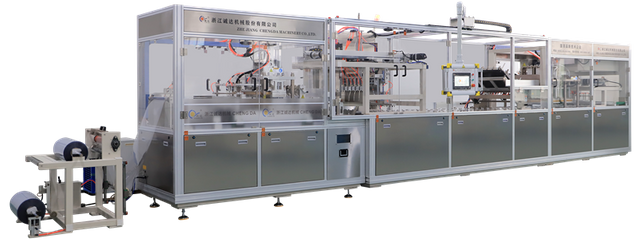
A blister machine is a specialized piece of equipment designed to form, fill, and seal products in plastic or aluminum blisters. These machines are widely used in various industries, including pharmaceuticals, cosmetics, and consumer electronics, due to their ability to protect products and provide tamper-evident packaging. Key components of a blister machine include the forming station, sealing unit, cutting system, feeding belts, and control panel. Unlike other packaging machines, blister machines require strict maintenance to ensure compliance with industry standards and to maintain product integrity.
Regular maintenance ensures that your blister machine operates at peak efficiency, reducing downtime and increasing overall production output. A well-maintained machine can handle higher volumes without frequent interruptions, leading to a smoother production process.
In industries like pharmaceuticals and food, compliance with safety standards is non-negotiable. Regular maintenance helps ensure that your blister machine meets these stringent requirements, protecting your products from contamination and ensuring consumer safety.
Unexpected machine breakdowns can be costly, both in terms of repair expenses and lost production time. Regular maintenance helps identify potential issues before they escalate, reducing the risk of sudden breakdowns and minimizing downtime.
Proper maintenance extends the lifespan of your blister machine, providing a better return on investment. Regular inspections, cleaning, and part replacements ensure that your machine remains in optimal condition for longer.
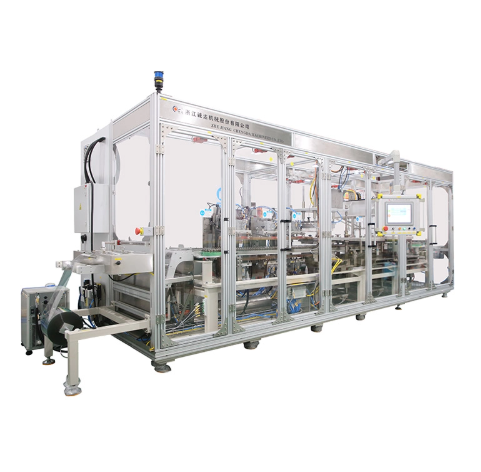
Daily cleaning is essential to remove debris and residues that can cause contamination. Key areas to focus on include surfaces, forming tools, sealing plates, and conveyors. Removing debris regularly prevents buildup and ensures consistent product quality.
For a thorough cleaning, consider disassembling and cleaning critical parts on a monthly or quarterly basis. Use approved cleaning agents that are safe for pharmaceutical or food-grade applications to ensure that all residues are removed without damaging the machine.
In sensitive industries like pharmaceuticals and food packaging, preventing cross-contamination is crucial. Best practices include using UV sterilization and food-grade sanitizers to ensure that all parts are free from contaminants.
Common wear parts in blister machines include sealing rollers, cutting blades, feeding belts, pistons, valves, and seals. These parts are subject to regular wear and tear due to the repetitive nature of the packaging process.
Signs of wear and tear can include inconsistent sealing, irregular blister shapes, and frequent jams or downtime. Regular inspections can help identify these issues early, allowing for timely replacements and minimizing disruptions.
Establish a preventive replacement schedule for wear parts to ensure that they are replaced before they fail. Using genuine OEM parts ensures reliability and compatibility with your machine.
Proper lubrication is crucial for reducing friction, wear, and overheating. Key lubrication points include gears, bearings, drive shafts, and chains. Regular lubrication ensures smooth operation and extends the lifespan of these components.
Regular calibration of machine settings, such as temperature, pressure, and speed, ensures accurate and consistent blister formation. Proper calibration is essential for maintaining product quality and compliance with industry standards.
| Component | Maintenance Task | Frequency | Notes |
|---|---|---|---|
| Bearings & gears | Lubrication | Weekly | Use OEM-specified oil |
| Sealing station | Calibration (heat/press) | Monthly | Ensure even sealing |
| Cutting blades | Alignment calibration | Quarterly | Prevent uneven cuts |
Regular inspection of wiring, connectors, and sensors is essential to prevent issues related to moisture, corrosion, and overheating. Ensuring that all electrical components are in good condition reduces the risk of unexpected shutdowns and improves overall machine reliability.
Checking belts, chains, and motors for wear and tear is crucial. Monitoring for unusual vibrations or noises can help identify potential issues early. Regular temperature checks can also help prevent overheating, ensuring that your machine operates efficiently.
Proper training for operators is essential to minimize misuse and damage. Skilled staff can handle the machine correctly, reducing the risk of accidents and ensuring consistent product quality.
A comprehensive training checklist should include safe startup and shutdown procedures, cleaning and sanitization steps, and troubleshooting common problems. Ensuring that operators are well-versed in these areas can significantly reduce downtime and improve efficiency.
Encourage continuous skills development through manufacturer training programs and cross-training maintenance and operations staff. Regular updates on best practices and new technologies can help your team stay ahead of potential issues.
Preventive maintenance focuses on regular inspections and maintenance tasks to prevent issues before they occur. This approach is more cost-effective than reactive maintenance, which addresses issues only after they have caused significant disruptions.
Develop a detailed preventive maintenance schedule that includes daily, weekly, and monthly tasks. Document all inspections and repairs to track the condition of your machine over time.
Leverage digital tools like CMMS (Computerized Maintenance Management Systems) and IoT sensors for predictive maintenance. These tools can help you track maintenance tasks, monitor machine performance, and predict potential issues before they cause downtime.
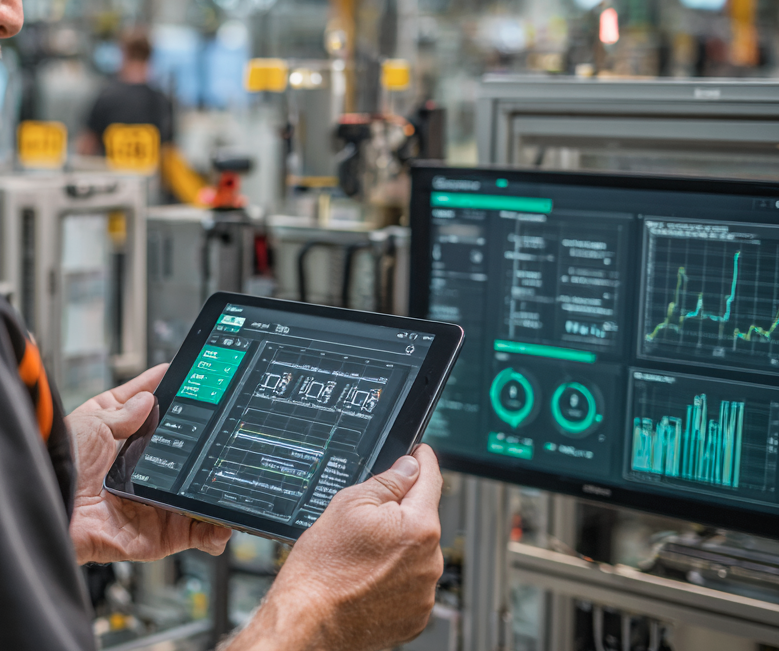
Common issues with blister machines include poor sealing, misaligned blisters, and machine jams. Addressing these issues promptly can help maintain production efficiency and product quality.
Visual Inspection: Check for visible signs of wear or damage.
Calibration Check: Ensure that all settings are correctly calibrated.
Part Replacement: Replace worn parts as needed to restore optimal performance.
Using AI and IoT sensors, predictive maintenance can forecast potential issues before they occur. This proactive approach minimizes downtime and ensures consistent machine performance.
Automated cleaning systems can significantly reduce the time and effort required for sanitization. These systems ensure that all parts are thoroughly cleaned without manual intervention.
Eco-friendly lubricants offer a sustainable alternative to traditional lubricants. These products reduce environmental impact while maintaining machine performance.
Remote monitoring and diagnostics via cloud systems allow for real-time monitoring of machine performance. This technology enables quick identification and resolution of issues, even from a distance.
Daily cleaning is recommended to remove debris and prevent contamination. Deep cleaning should be performed on a monthly or quarterly basis, depending on the machine’s usage and industry requirements.
Common signs include inconsistent sealing, irregular blister shapes, frequent jams, and increased downtime. Regular inspections can help identify these issues early.
Implementing a preventive maintenance schedule, using genuine OEM parts, and ensuring proper lubrication and calibration can significantly reduce the risk of breakdowns.
Eco-friendly lubricants offer a sustainable alternative to traditional lubricants, reducing environmental impact while maintaining machine performance.
Consistent maintenance is essential for maximizing the efficiency, safety, and ROI of your blister machine. By implementing a structured maintenance program, training your operators, and leveraging the latest trends in maintenance technology, you can ensure that your machine operates at peak performance. Embracing proactive care not only improves efficiency but also extends the lifespan of your investment, leading to a more sustainable and cost-effective packaging process.
For expert advice and support, feel free to reach out to our team at Zhejiang Chengda Machinery Co., Ltd. We are committed to helping you maintain your equipment and optimize your packaging process for maximum efficiency and productivity.