English
Views: 0 Author: Site Editor Publish Time: 2025-08-19 Origin: Site


In the dynamic world of manufacturing and packaging, the role of cartoning machines has become increasingly significant. These machines are designed to provide efficient, reliable, and high-quality packaging solutions across various industries. Zhejiang Chengda Machinery Co., Ltd., a leading manufacturer of cartoning machines, offers state-of-the-art solutions that meet the evolving needs of businesses worldwide. This comprehensive guide aims to provide a detailed understanding of cartoning machines, their types, applications, and maintenance tips.
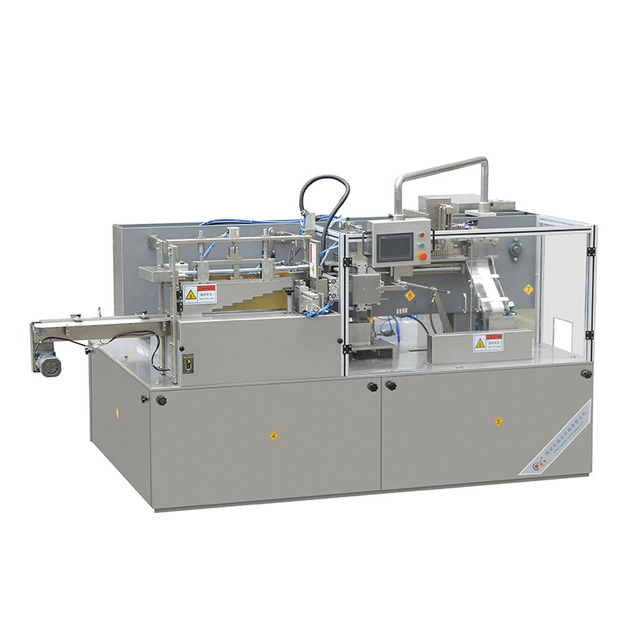
A cartoning machine is a piece of equipment designed to automate the process of packaging products into cartons. These machines are essential in industries such as pharmaceuticals, food, cosmetics, and electronics, where product integrity and consumer safety are paramount. Cartoning machines can handle a wide range of products, from small blister packs to larger multi-pack configurations, ensuring precise and consistent packaging.
Automatic cartoning machines are fully automated, requiring minimal human intervention. They are capable of high-speed production, often reaching several hundred cartons per minute. These machines come with advanced features such as vision inspection systems and automated labeling, ensuring precise and consistent packaging. The benefits of using automatic cartoning machines include increased production efficiency, reduced labor costs, and consistent packaging quality with fewer errors. They are ideal for large-scale production facilities with high output demands, such as pharmaceutical companies packaging tablets, capsules, and syringes; food manufacturers packaging snacks, cereals, and beverages; and electronics companies packaging small components and devices.
Semi-automatic cartoning machines offer partial automation, with manual intervention required for certain steps, such as loading products into the carton. These machines have a lower initial cost and are easier to operate compared to fully automatic machines. They are suitable for smaller production volumes and more flexible packaging needs. The benefits of semi-automatic cartoning machines include being cost-effective for small to medium-sized businesses, easier maintenance and operation with general technical knowledge, and the ability to customize and adapt to different product sizes and shapes. They are ideal for small-scale pharmaceutical manufacturers, local food producers with limited production volumes, and cosmetics companies packaging skincare and makeup products.
Horizontal cartoning machines load products horizontally, making them suitable for irregularly shaped items. They have a flexible design that allows for adjustments to different carton sizes and product types. With a smaller footprint, these machines are ideal for facilities with limited space. The benefits of horizontal cartoning machines include providing flexibility in packaging various product sizes, being efficient for products that require side or top loading, and reducing the overall space required for packaging operations. They are ideal for food manufacturers packaging snacks and irregularly shaped products, cosmetics companies packaging products with unique shapes, and electronics companies packaging small components that require precise placement.
Vertical cartoning machines load products vertically, making them ideal for consistent shapes and sizes. They operate at high speeds, making them suitable for free-flowing products. These machines come with advanced features such as automated sealing and labeling, ensuring consistent packaging quality. The benefits of vertical cartoning machines include high-speed production capabilities and consistent packaging quality for uniform products. They are ideal for products that require vertical loading, such as dry pasta and rice, and are commonly used by food manufacturers packaging dry goods and consistent shapes, pharmaceutical companies packaging tablets and capsules, and beverage companies packaging bottles and cans.
| Type of Cartoning Machine | Features | Benefits | Ideal For |
|---|---|---|---|
| Automatic Cartoning Machines | Fully automated, high-speed production, vision inspection, automated labeling | Increased efficiency, reduced labor costs, consistent quality | Large-scale production in pharmaceuticals, food, electronics |
| Semi-Automatic Cartoning Machines | Partial automation, manual loading, lower cost | Cost-effective, easier to operate and maintain, customizable | Small to medium-sized businesses in pharmaceuticals, local food production, cosmetics |
| Horizontal Cartoning Machines | Horizontal loading, flexible design, smaller footprint | Suitable for irregularly shaped items, space-efficient | Food snacks, cosmetics with unique shapes, electronics with precise placement |
| Vertical Cartoning Machines | Vertical loading, high-speed operation, automated sealing | Ideal for consistent shapes, free-flowing products | Food (dry goods, pasta, rice), pharmaceuticals (tablets, capsules), beverages (bottles, cans) |
1. Carton Forming:
The machine forms cartons from flat cardboard sheets using plows and mandrels.
Vacuum suction cups or other mechanisms open the carton blanks into a three-dimensional shape.
2. Product Feeding:
Products are fed into the cartoner via conveyor belts, robotic arms, or other automated systems.
The machine ensures proper alignment and placement of the product within the carton.
3. Carton Loading:
The machine loads the product into the erected carton using tools like powered flight bars or pushers.
For semi-automatic machines, operators may manually place the product into the carton.
4. Carton Closing and Sealing:
The carton is closed and sealed using methods such as hot melt glue, tape, or other sealing techniques.
The machine ensures a tight seal to protect the product during shipping and storage.
5. Carton Ejecting:
The sealed cartons are removed from the machine via a conveyor system or robotic arm.
The cartons are then ready for further processing, such as wrapping, boxing, or palletizing.
When selecting a cartoning machine, consider the nature of the product to be packaged, including its size, shape, and consistency. Ensure the machine is compatible with your specific product type and packaging requirements.
Assess the required production speed in terms of cartons per minute or hour. Consider future growth potential to future-proof your investment and accommodate increases in production volume.
Choose the sealing method based on product requirements and desired security level. Options include adhesive or tape, and for high-security products, consider tamper-evident sealing options.
Evaluate the upfront cost of the machine, including shipping, installation, and training. Consider ongoing operational costs such as maintenance, spare parts, and energy consumption. Assess the potential return on investment based on increased efficiency and reduced labor costs.
Consider the available space in your facility and the machine’s dimensions. Ensure the machine can be integrated into your existing production line without significant disruptions.
Ensure your staff has the necessary skills and training to operate the machine effectively. Consider the technical support and maintenance capabilities required to keep the machine running smoothly.
Choose a reputable manufacturer that offers comprehensive after-sales support, including technical assistance, spare parts, and maintenance services. Ensure the machine comes with detailed user manuals and technical documentation.
Future trends in cartoning machine technology include increased automation with advanced robots and automated systems to maximize production efficiency. Vision systems will be integrated for quality inspection and defect detection.
There is a growing focus on sustainability, with the use of eco-friendly and recyclable packaging materials. More energy-efficient designs are being developed to reduce environmental impact.
IoT integration will enable real-time monitoring and control of cartoning machines. Predictive maintenance using machine learning will help reduce downtime and improve overall efficiency.
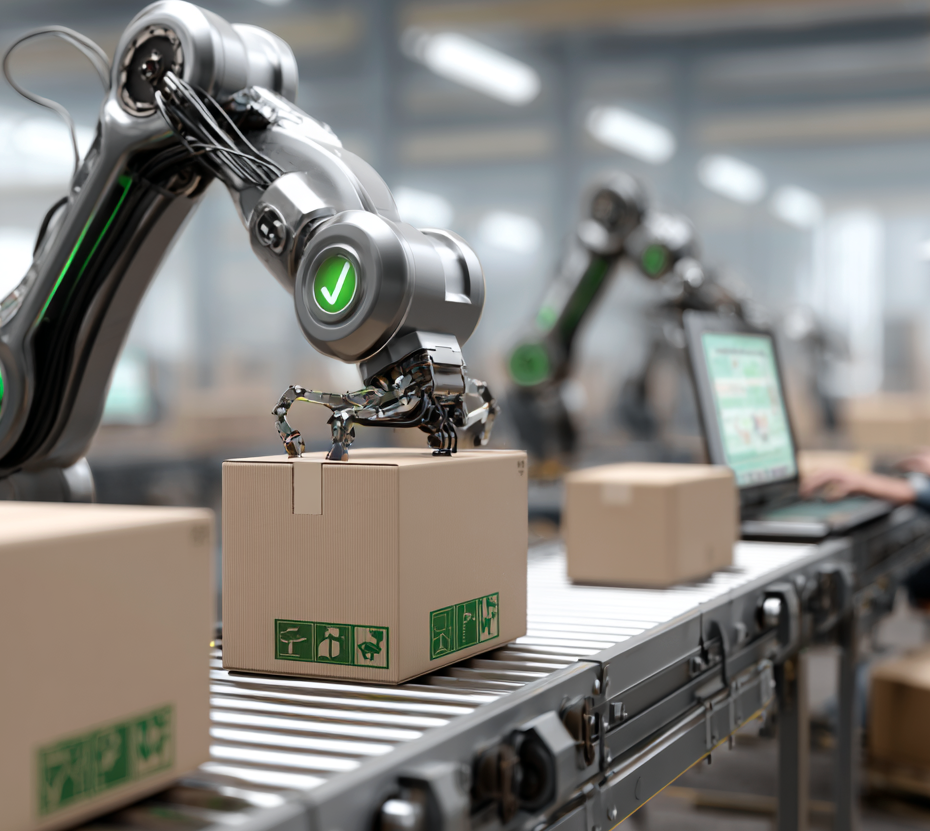
A cartoning machine is a device used to automate the process of packaging products into cartons. It forms, fills, and seals cartons, ensuring efficient and consistent packaging.
Cartoning machines are widely used in the pharmaceutical, food, beverage, cosmetics, and electronics industries. They provide efficient packaging solutions that ensure product safety and compliance with industry regulations.
Regular maintenance is crucial to ensure the longevity and efficiency of a cartoning machine. Key tasks include cleaning, lubrication, calibration, tooling inspection, and software updates.
Future trends in cartoning machine technology include increased automation, sustainability, and smart packaging. Advanced robotics, eco-friendly materials, and IoT integration are driving innovation in this field.
Cartoning machines play a crucial role in modern manufacturing and packaging operations. They offer efficient, reliable, and high-quality packaging solutions that enhance product protection, consumer safety, and operational efficiency. Zhejiang Chengda Machinery Co., Ltd. provides state-of-the-art cartoning machines that meet the evolving needs of businesses worldwide. By understanding the different types of cartoning machines, their applications, and maintenance requirements, you can make an informed decision to invest in the right machine for your production needs. Whether you are in the pharmaceutical, food, cosmetics, electronics, or any other industry, a cartoning machine can provide the packaging solution you need to succeed.