English
Views: 0 Author: Site Editor Publish Time: 2025-11-24 Origin: Site


Ever wondered how your favorite pill, cosmetic sample, or battery is safely packaged? The answer lies in blister machines. Blister machines play a crucial role in creating protective, tamper-proof packaging. Used across industries like pharmaceuticals, cosmetics, and medical devices, they ensure both safety and visibility. In this article, we'll explore the workings of blister machines, their key applications, and why they’re indispensable in modern packaging.
Blister packaging is a carefully designed process, divided into three essential stages: forming, filling, and sealing. Each of these stages ensures the product is securely packaged for both protection and presentation.
Forming:
In the first stage, a plastic sheet is heated and molded into the shape of a blister. This process involves softening materials like PVC, PET, or PP with heat. The plastic is then pushed into molds, creating pockets (blisters) that will hold the product. The molds are custom-designed to match the size and shape of the products being packaged.
Filling:
Once the blister has been formed, it is filled with the product. This could be done manually or automatically, depending on the machine's design. For example, in the pharmaceutical industry, tablets or capsules are inserted into the formed blisters. In the cosmetics industry, items like lipsticks or eyeshadows are placed into the cavities. The filling process is often automated to maintain high efficiency and consistency in packaging.
Sealing:
After filling, the blister packaging enters the sealing stage. The open end of the blister is sealed with a backing material, such as cardboard, foil, or plastic film. This can be done through heat, pressure, or adhesive bonding. Sealing ensures that the blister pack is tamper-proof, keeping the product safe during transport and storage. The sealing process also enhances the product’s shelf life by protecting it from contaminants and environmental factors like moisture and air.
The choice of materials is crucial for the performance and effectiveness of blister packaging. Different industries require specific materials to ensure product safety, durability, and visibility.
Types of Plastics Used:
● Blister packaging typically uses a variety of plastic films. The most common materials include:PVC (Polyvinyl Chloride): Widely used due to its cost-effectiveness and ease of forming. It provides excellent visibility for the product, making it ideal for consumer goods and pharmaceutical packaging.
● PET (Polyethylene Terephthalate): Known for its strength and clarity, PET is often used for packaging products that require a higher degree of protection.
● PP (Polypropylene): A more durable and heat-resistant option, often used for products that need to withstand higher temperatures or sterilization processes.
● Medical-Grade Films: These are specially designed for the pharmaceutical and medical device industries, offering extra protection against contamination and ensuring the product’s sterility.
Why Material Selection Matters:
Material choice directly impacts the functionality of the blister pack. For instance, PVC is commonly used in consumer goods packaging because it is transparent, allowing customers to view the product clearly. However, for sensitive products like medicines, medical-grade films are essential to ensure the packaging meets health and safety standards.
● Durability: The material must withstand handling, shipping, and environmental conditions without compromising the product’s integrity.
● Safety and Compliance: Pharmaceutical products, for example, require packaging that adheres to strict regulatory standards to prevent contamination and tampering.
● Visibility and Appeal: Packaging must not only protect the product but also be visually appealing, especially in consumer goods packaging where presentation plays a key role in consumer decision-making.
Material Type | Key Features | Ideal Application |
PVC | Cost-effective, easy to form, clear visibility | Pharmaceuticals, consumer goods |
PET | Strong, high clarity, resistant to impact | Medical devices, cosmetics |
PP | Heat-resistant, durable | High-temperature environments, medical |
Medical-Grade Films | Sterilization and contamination-resistant | Pharmaceuticals, surgical instruments |
Tip: The selection of these materials ensures that the packaging serves its primary purpose: to protect the product, enhance shelf life, and provide clear visibility.
Blister machines come in several types, each designed to meet specific production needs. From fully automated systems for mass production to versatile machines for smaller runs, there is a solution for every industry. Here's a closer look at the different types of blister machines:
Features:
Automatic blister machines are designed for high-volume production, offering a fully automated workflow that covers the entire blister packaging process—from forming and filling to sealing and cutting. These machines streamline operations by reducing the need for manual labor and ensuring high efficiency in large-scale production environments.
Ideal Applications:
Automatic blister machines are ideal for industries with high-volume production needs, such as pharmaceuticals and consumer goods. They are used for packaging a wide variety of products, including over-the-counter medications, tablets, and even large-scale consumer goods like batteries and electronics. Their efficiency and precision make them a top choice for factories looking to maximize throughput while maintaining consistent product quality.
Core Trait:
Rotary type blister machines are designed for continuous operation, with minimal downtime between production cycles. The rotary mechanism allows the machine to rotate around a central axis, efficiently forming, filling, and sealing multiple blister cavities at once. This type of machine is built for ultra-high-volume production, ensuring rapid and uninterrupted operation.
Core Trait:
Linear type blister machines offer flexibility in production, making them suitable for custom packaging designs and smaller runs. Instead of the continuous rotary motion, linear machines operate on a straight-line mechanism, allowing for more customizable production. This makes them perfect for companies needing versatility in packaging formats and those with less frequent but varied production runs.
Ideal For:
Linear blister machines are a great option for packaging specialty consumer goods, cosmetics, and medical devices. Their ability to adapt to different sizes, shapes, and materials gives manufacturers the freedom to create custom blister packs for products like lipstick, medical devices, or small electronic accessories. They also provide the flexibility for shorter production runs, making them ideal for specialty or high-end products.
Focus on Niche Applications:
Specialized blister machines are designed to handle specific packaging requirements, often in regulated industries like pharmaceuticals and medical devices. These machines are tailored to create more specialized blister formats, such as stand-up blisters, or to meet stringent industry standards for sterile packaging.
Examples of Applications:
These machines are frequently used in packaging prescription drugs, sterile medical devices, and premium cosmetics. For example, they are employed to create blister packs that are not only protective but also aesthetically appealing on store shelves. Stand-up blisters, which allow the product to be displayed upright for better visibility, are often used for cosmetics and premium goods.
Type of Blister Machine | Features | Ideal Applications |
Automatic Blister Machines | Fully automated, high-volume production | Pharmaceuticals, consumer goods |
Rotary Type Blister Machines | Continuous operation, minimal downtime | Food & beverage, electronics |
Linear Type Blister Machines | Flexible, customizable packaging | Cosmetics, medical devices |
Specialized Blister Machines | Niche designs, sterile packaging | Pharmaceuticals, medical devices |
Each type of blister machine is built to serve specific needs, whether it's high-speed mass production or smaller, customized packaging runs. Choosing the right type depends on the production scale, product type, and industry requirements.

Blister machines are crucial for efficient, reliable, and secure packaging. High-quality machines come with several advanced features that ensure consistent performance, versatility, and precision in the packaging process. Let’s explore the key features that set top-tier blister machines apart.
One of the defining features of high-quality blister machines is their ability to offer tailored solutions. These machines can be customized to produce a variety of blister styles, including Blister-Card, Card-Blister, and Blister-Blister formats.
Blister-Card packaging involves sealing the blister onto a card, which is commonly used for consumer goods like batteries and electronics. Card-Blister packaging, where the blister is attached to a backing card, is often used in pharmaceuticals and cosmetics. Blister-Blister packaging allows for two blisters to be sealed together, offering extra protection for sensitive products. Customization options ensure that the machine can adapt to different packaging needs, improving flexibility and efficiency.
Customization plays a significant role in meeting specific industry requirements, such as dimensions, design preferences, and regulatory standards. This versatility makes high-quality blister machines suitable for diverse industries, including pharmaceuticals, food, and cosmetics.
Blister machines need to handle a range of materials to meet different industry needs. High-quality machines come equipped with dual material compatibility, allowing them to process both soft and rigid films.
Soft Films like PVC or PET are ideal for products that need clear visibility, such as cosmetics or consumer electronics. These films are flexible and can easily form around products. On the other hand, Rigid Films like PETG and PP are used when the packaging requires higher strength and durability, such as for pharmaceuticals or medical devices.
For example, the pharmaceutical industry often requires medical-grade films to meet sterility and safety standards. Blister machines capable of handling both material types provide the necessary flexibility for packaging a variety of products, ensuring each item is packaged securely while maintaining product integrity. This dual compatibility is essential in ensuring versatility across different production lines.
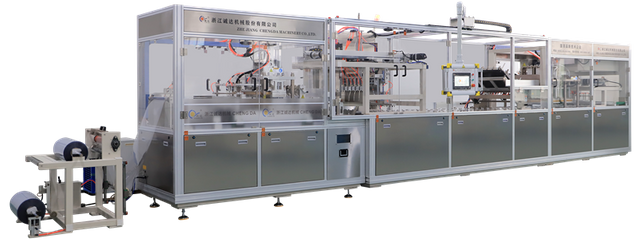
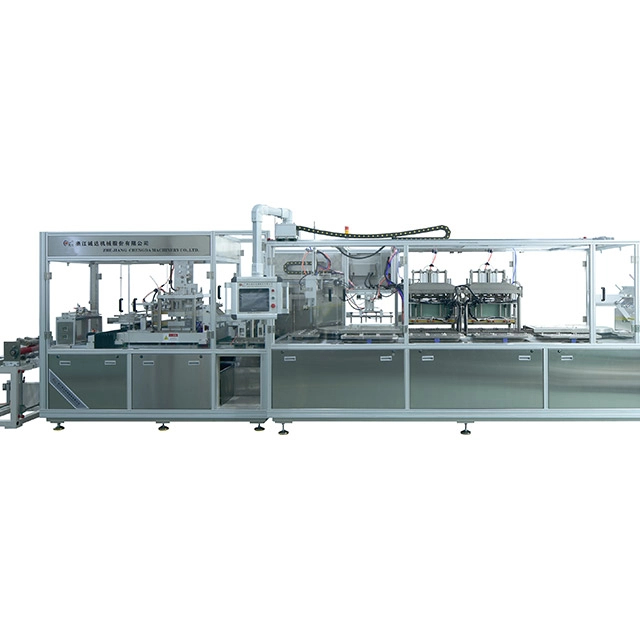
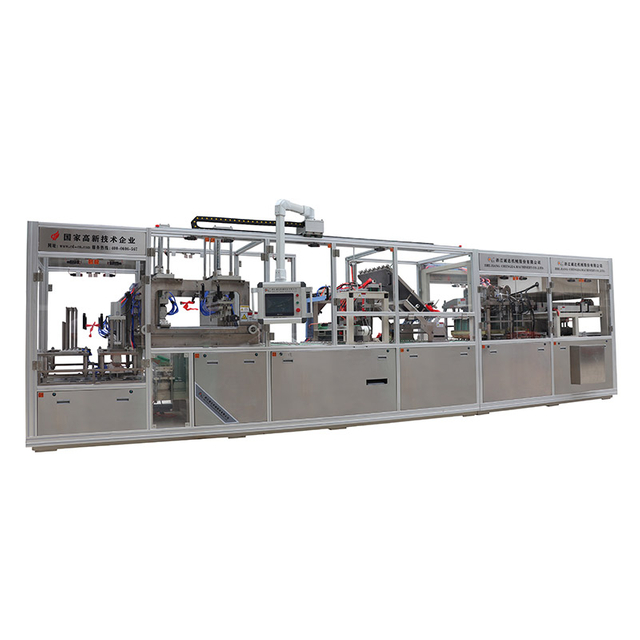
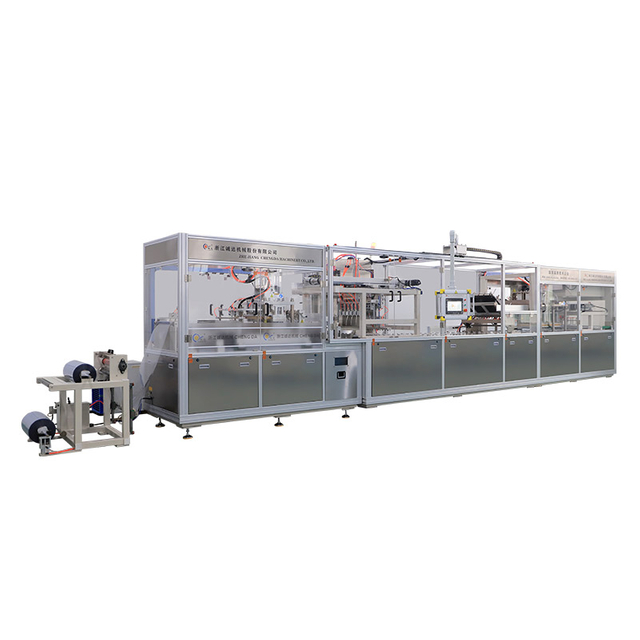
Leading brands like Chengda Machinery have optimized their blister machines for maximum efficiency, integrating both front-end and back-end production processes. High-quality machines are designed to streamline workflows, reducing bottlenecks and minimizing downtime.
Integrated Systems
Chengda and other top manufacturers focus on integrating processes such as forming, filling, sealing, and cutting. This integration reduces the need for separate machines or manual interventions, making production lines more efficient. The seamless workflow ensures that the packaging process is continuous, increasing output while maintaining high-quality standards.
Energy and Cost Efficiency
By optimizing production, high-quality blister machines also reduce energy consumption and operational costs. This is achieved through features like automated adjustments, which help save time and resources. The result is lower overhead costs and higher productivity, which is crucial for businesses looking to scale their operations.
Precision is critical in blister packaging to ensure the protection of the product and the consistency of the packaging quality. High-quality blister machines come with advanced precision control systems for both forming and sealing processes.
Forming Precision
Forming must be precise to ensure that each blister cavity matches the shape of the product. Machines with precise control mechanisms allow manufacturers to create blisters that securely cradle the product, preventing any movement during transport. This level of precision is especially important for fragile items like tablets or medical devices.Sealing Precision
The sealing process must also be highly accurate to ensure a tight, tamper-proof seal. Inconsistent sealing can result in defective packaging, leading to product contamination or damage. High-quality machines employ advanced sensors and pressure control systems to ensure the right amount of heat and pressure is applied, creating a perfect seal every time.
Feature | Importance | Application |
Customization Options | Versatility for different packaging styles | Pharmaceuticals, Consumer Goods |
Dual Material Compatibility | Flexibility in material selection | Pharmaceuticals, Medical Devices |
Efficiency & Optimization | Improved productivity and reduced downtime | High-volume production lines |
Precision Control | Ensures product protection and consistent packaging | Pharmaceuticals, Cosmetics, Medical Devices |
Blister machines are used across various industries due to their versatility in creating secure, protective, and visually appealing packaging. From pharmaceuticals to consumer goods, the applications are diverse, each with specific needs that blister machines fulfill. Let's take a look at some of the key industries that rely on blister packaging.
Blister packaging is crucial in the pharmaceutical industry, where product protection and compliance with health standards are paramount. Blister packs are commonly used for tablets, capsules, and other medications, offering a practical solution for both bulk and individual doses.
Importance of Sterile and Tamper-Proof Packaging:
In the pharmaceutical industry, tamper-proof and sterile packaging is essential. Blister packs provide a secure environment, ensuring that medications remain intact and safe from contamination. Sterility is especially important for injectable medications or products that need to be protected from environmental factors like moisture and light. These packaging solutions help maintain the product’s efficacy and safety throughout its shelf life.Pharmaceutical blister machines are designed to meet strict regulatory requirements, providing high-precision forming and sealing that guarantees a secure and reliable package for sensitive products.
The cosmetics industry also benefits greatly from blister packaging, particularly for small items like lipsticks, eyeshadows, and skincare samples. Blister packs in this industry are designed to showcase products clearly, ensuring customers can easily see the item they’re purchasing.
Role of Clear Visibility for Retail Appeal:
In cosmetics packaging, appearance is everything. Blister packs allow for clear visibility of the product while keeping it safe from damage during transit and storage. The transparent nature of these packs also enhances the retail appeal, enabling customers to see the exact item before purchasing. For cosmetic samples, blister packaging ensures a clean, compact, and visually attractive presentation on store shelves.Blister machines used in cosmetics manufacturing are capable of handling smaller-scale runs and custom designs, offering flexibility for different product shapes, sizes, and materials.
Blister packaging is widely used in the consumer goods industry, particularly for small products that need protection and visibility. Items like batteries, small electronics, and hardware products often come in blister packs, ensuring they are securely stored and easily accessible for consumers.
Examples: Battery Packaging, Small Electronics, and Hardware:
● Batteries: Blister packs keep batteries organized and safe, preventing short-circuiting and damage during shipping.
● Small Electronics: Items like chargers, earbuds, and other accessories are packaged in blister packs to protect them from dust, moisture, and physical damage.
● Hardware: Small tools, screws, and other components benefit from blister packaging by staying in place and being easily displayed for retail.
Blister machines in the consumer goods sector are designed to handle a high volume of production with efficiency, ensuring fast packaging without sacrificing quality.
Blister packaging is essential for the medical device industry, where sterility and product integrity are critical. Sterile packaging is required for surgical instruments, disposable medical supplies, and diagnostic tools to ensure safety for patients and healthcare professionals.
Sterile Packaging for Surgical Instruments and Disposable Medical Supplies:
Medical devices, including surgical instruments and sterile wipes, need packaging that meets stringent hygiene standards. Blister packs for these items are specially designed to maintain sterility until they are ready for use. In addition to offering protection, blister packaging allows for the easy identification of items, which is crucial for medical procedures.High-quality blister machines used in the medical device industry are equipped to handle medical-grade films and provide the necessary sealing and forming capabilities to ensure products remain sterile and secure during transport and storage.
Industry | Application | Features of Blister Packaging |
Pharmaceuticals | Tablets, capsules, medical devices | Tamper-proof, sterile, safe packaging |
Cosmetics | Lipsticks, skincare samples, cosmetics | Clear visibility, retail appeal, compact design |
Consumer Goods | Batteries, small electronics, hardware | Protection, organization, retail-friendly |
Medical Devices | Surgical instruments, disposable items | Sterile, secure, easy identification |
Blister machines are indispensable across these industries, offering secure, effective packaging solutions that protect products and enhance their appeal to consumers. Whether in healthcare, cosmetics, or everyday consumer products, blister packaging ensures that items are well-preserved and ready for use.
Blister machines are essential in packaging, providing secure and efficient solutions for various industries. They form, fill, and seal products like tablets, cosmetics, and medical devices. Their versatility and precision ensure product safety and appeal. When choosing a blister machine, factors like customization, material compatibility, and efficiency should be considered. Chengda’s machines offer high-quality performance, optimizing production while ensuring precision and reliability for businesses in need of efficient packaging solutions.
A: A blister machine is a packaging device that forms, fills, and seals products, such as tablets and cosmetics, into protective blister packs.
A: A blister machine uses heat to form plastic into cavities, fills them with products, and seals them with a backing material to create secure packaging.
A: Blister machines are used in pharmaceuticals, cosmetics, consumer goods, and medical devices to package a wide range of products securely.
A: Blister machines ensure product protection, tamper-proof packaging, and clear visibility, enhancing safety, shelf life, and consumer appeal.