English
Views: 0 Author: Site Editor Publish Time: 2025-11-30 Origin: Site


Blister machines are essential in modern packaging, but choosing the right type can be challenging. With different operation modes, structural designs, and packaging styles, it's important to know which machine suits your needs.
In this article, we'll explore the various types of blister machines and how to select the best one for your production process. You’ll learn about their features, applications, and key factors to consider when making a choice.
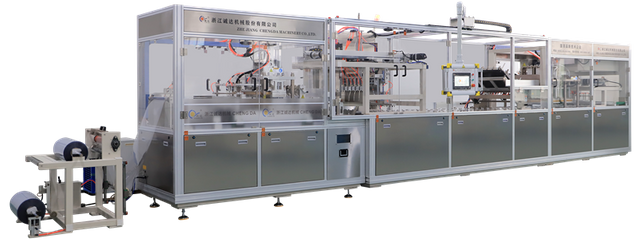
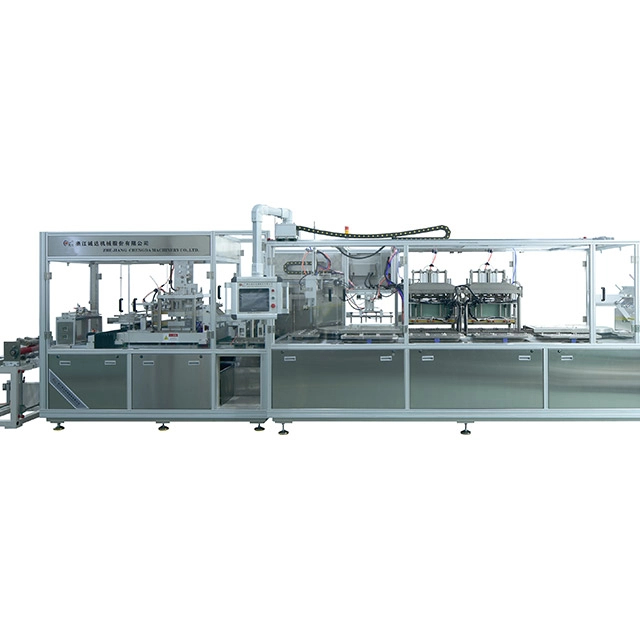
Automatic blister machines are designed for high-volume production with fully automated workflows, including forming, filling, sealing, and cutting processes. These machines are ideal for businesses that require large-scale, continuous packaging operations. They are equipped with advanced features that reduce the need for manual intervention, ensuring faster, more consistent production.
● High Speed: Automatic blister machines operate at speeds ranging from 80 to 450 cycles per minute, allowing for high throughput.
● Servo-Driven Controls: They use servo motors for precise control, ensuring consistent operation and accuracy.
● Minimal Human Intervention: Once set up, these machines require little to no manual labor during the production process, reducing the risk of human error.
Automatic blister machines are commonly used in industries such as pharmaceuticals, consumer goods, and cosmetics, where mass production is essential. For example, they are widely used to package pharmaceutical tablets, capsules, and consumer electronics. Their ability to handle high volumes efficiently makes them a staple in industries where consistency and speed are critical.
Feature | Automatic Blister Machines |
Production Speed | 80–450 cycles/min |
Key Benefit | High efficiency, minimal labor |
Applications | Pharmaceuticals, consumer goods, cosmetics |
In contrast, semi-automatic blister machines are a great solution for small batch production. These machines combine manual processes with automated functions, such as filling and sealing. While they require more human intervention than fully automatic models, they offer flexibility and cost-effectiveness for smaller manufacturers or those requiring custom packaging.
● Slower Production Speed: These machines typically operate at slower speeds, ranging from 20 to 60 cycles per minute, making them ideal for lower-volume production.
● Cost-Effective: Semi-automatic blister machines are generally less expensive than their automatic counterparts, making them a more affordable option for small to medium-sized businesses.
● Simple Mold Changeover: The ease of changing molds allows manufacturers to quickly switch between different products or packaging types, offering more versatility.
Semi-automatic machines are perfect for businesses that need flexibility in their production line. They are commonly used for custom packaging, specialty products, and small-batch production runs of medical devices. For example, small medical equipment or unique consumer goods often require the customizations that semi-automatic blister machines can offer. These machines are also useful for businesses testing new packaging designs or launching limited-edition products.
Feature | Semi-Automatic Blister Machines |
Production Speed | 20–60 cycles/min |
Key Benefit | Cost-effective, flexibility |
Applications | Custom packaging, small-batch medical devices |
Both automatic and semi-automatic blister machines have their advantages, depending on your production needs. While automatic machines excel in high-volume, continuous operations, semi-automatic models provide a versatile, cost-effective solution for smaller, more customized packaging needs.
Rotary type blister machines are designed for continuous, high-speed production. The rotating mold station enables a smooth flow of operation, allowing for higher output. These machines are typically used in high-volume packaging environments where efficiency and speed are critical.
● Faster Production Speeds: Rotary blister machines can operate 30–50% faster than linear models. This speed makes them ideal for mass production of consumer goods and pharmaceutical products.
● Consistent Sealing Pressure: The rotating station ensures uniform sealing pressure throughout the process, which is crucial for maintaining product quality and preventing defects.
● High Efficiency: With minimal downtime and fast production cycles, rotary machines are ideal for businesses looking to maximize throughput.
These machines are commonly used in industries where large quantities of products need to be packaged quickly and efficiently. Examples include consumer goods like batteries and small electronics, as well as bulk pharmaceutical packaging. Rotary blister machines can handle large-scale production runs and are particularly useful when the goal is to reduce cycle time while maintaining quality.
Feature | Rotary Type Blister Machines |
Production Speed | 30–50% faster than linear models |
Key Benefit | High efficiency, consistent sealing |
Applications | High-volume consumer goods, bulk pharmaceutical packaging |
Linear type blister machines operate in a straight-line configuration, providing flexibility in design and allowing for custom solutions. These machines are more adaptable to different product types and packaging needs, which makes them ideal for smaller runs or products that require varied configurations.
● Easy Mold Replacement: Linear models allow for quick mold changes, making it easier to adapt the machine for different product types or packaging styles.
● Compatibility with Soft/Rigid Films: These machines can handle both soft and rigid films, making them versatile for a wide range of packaging needs.
● Flexibility in Design: Linear machines can accommodate various blister designs and are more adaptable to custom packaging solutions, offering a tailored approach for specific products.
Linear type machines are widely used in industries such as cosmetics, medical devices, and specialty consumer goods. For example, they are perfect for packaging skincare products, small medical devices, or limited-edition consumer goods. The flexibility to switch between different designs and product sizes makes these machines suitable for smaller batches or more varied production runs.
Feature | Linear Type Blister Machines |
Production Speed | Slower than rotary models |
Key Benefit | Flexibility, easy mold changes |
Applications | Cosmetics, medical devices, specialty products |
Tip: Rotary and linear blister machines each have their strengths depending on production volume and packaging flexibility. While rotary machines excel in high-speed, high-volume environments, linear machines offer greater versatility for custom packaging solutions.
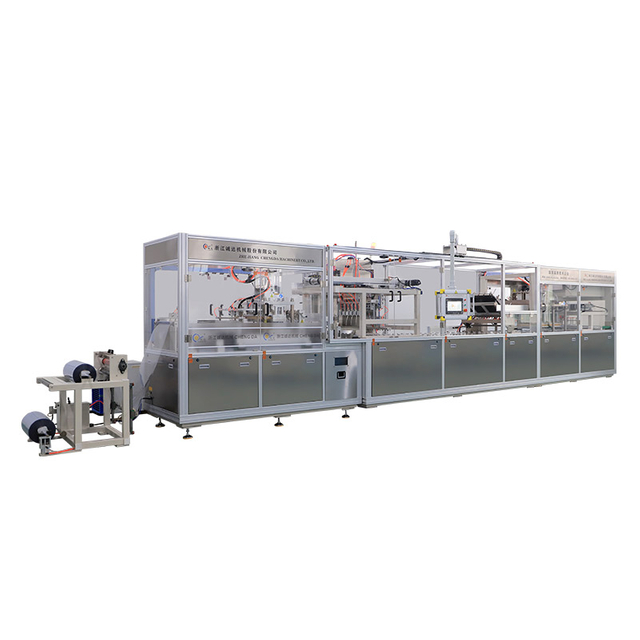
Blister-card machines are designed to seal products between a plastic blister and a cardboard backing. This packaging style is often used for retail display purposes, as it not only protects the product but also showcases it to potential customers. The card provides additional space for branding, product information, and marketing, making it an ideal choice for products that require visual appeal.
Blister-card machines are commonly used in packaging small consumer goods like toys, small electronics, and over-the-counter pharmaceuticals. The clear plastic blister allows consumers to see the product, while the cardboard backing provides a sturdy surface for branding and information. These machines are ideal for products that need to be displayed on retail shelves.
Stand-up blister machines create blister packs that can stand upright on retail shelves. This type of packaging is particularly useful for products that need to be displayed in a way that catches the consumer's eye. The self-standing feature makes it convenient for shelf stocking and improves product visibility in retail environments.
Stand-up blister machines are commonly used in industries like cosmetics, gourmet snacks, and electronics accessories. For instance, premium cosmetics often use this packaging style because it enhances the product's shelf appeal. Similarly, gourmet snacks and small electronics benefit from stand-up blisters, as they can be easily displayed in stores without the need for additional packaging support.
Blister-blister machines seal two plastic blisters together, providing an extra layer of protection for the products inside. This type of packaging is particularly useful for products that need added security, such as fragile items or items that must remain sterile. The double-layered blister ensures that the product is well-protected from environmental factors, such as moisture or physical damage.
Blister-blister machines are ideal for packaging fragile items, sterile medical devices, and moisture-sensitive products. For example, surgical instruments or precision components are often packaged using this method to ensure that they remain intact and secure during transport and storage. Additionally, products that are sensitive to moisture, like certain electronics or food products, benefit from the enhanced protection offered by this packaging style.
Specialized blister machines cater to various packaging styles, each designed for specific industry needs. Whether it's the retail-friendly blister-card packaging, the self-standing packs for cosmetics, or the added protection of blister-blister packaging, these machines provide versatile solutions for different products.
Medical and pharmaceutical blister machines are specially designed to meet the stringent requirements of the healthcare industry. These machines are compliant with current Good Manufacturing Practices (cGMP), FDA, and EU standards, ensuring that packaging processes maintain the highest levels of hygiene and quality. They are built to handle the packaging of medicines and medical devices in sterile environments, which is critical for patient safety and regulatory compliance.
● Nitrogen Flush: Many pharmaceutical blister machines incorporate nitrogen flushing technology to extend the shelf life of the packaged products. The nitrogen displaces oxygen, which helps prevent oxidation and preserves the potency of medicines.
● Vision Inspection: High-quality vision inspection systems are integrated to check for any defects in the packaging or products. This ensures that only flawless units are shipped to customers.
● Data Logging: Data logging features are essential for tracking production batches, monitoring machine performance, and ensuring compliance with regulations. This is especially important in the pharmaceutical industry, where traceability is crucial.
Pharmaceutical blister machines are widely used for packaging prescription medications, including tablets and capsules. The machines are designed to protect the integrity of the medication and ensure that each dose is safe, accurate, and easy for patients to access. They are also used in packaging other medical supplies that require sterile conditions, such as surgical instruments or diagnostic kits.
Feature | Medical/Pharmaceutical Blister Machines |
Production Standard | cGMP, FDA, EU compliant |
Key Benefit | Sterile operation, extended shelf life |
Applications | Prescription medications, tablets, capsules |
Consumer goods blister machines are versatile and widely used across industries like household goods, electronics, and packaged hardware. These machines are designed to handle a variety of products, offering flexibility in film compatibility and packaging styles. They are ideal for businesses that need to package items in clear, protective blisters for retail environments.
● Versatile Film Compatibility: These machines can handle various types of films, such as PVC, PET, and PP, making them suitable for packaging a broad range of consumer goods.
● Fast Cycle Times: Consumer goods blister machines are known for their high-speed operation, which reduces production time and increases efficiency. This is crucial for businesses that need to package large volumes of products quickly.
● Durable Molds: The molds used in these machines are designed to withstand high volumes of production, ensuring long-lasting performance and consistent results.
● Cost-Effective Material Use: These machines are optimized to minimize material waste, making them an economical choice for businesses focused on cost control.
Consumer goods blister machines are commonly used for packaging household items, electronics, and small hardware products. Examples include batteries, small tools, electronics accessories, and packaged food items. These machines are often chosen by manufacturers who need a reliable, high-speed packaging solution that delivers both cost-effectiveness and quality.
Feature | Consumer Goods Blister Machines |
Film Compatibility | PVC, PET, PP, and others |
Key Benefit | Fast, cost-effective packaging |
Applications | Household items, electronics, packaged hardware |
When selecting a blister machine, one of the first factors to consider is your production volume. The machine type should align with your manufacturing needs, whether you’re focusing on high-volume production or smaller, custom batches. Rotary and linear machines are the two primary types used in blister packaging, and each serves a different purpose.
Rotary blister machines are ideal for high-volume production runs. They offer faster cycle times and continuous operation, which makes them perfect for businesses looking to maximize efficiency and output. These machines can handle larger quantities of products and maintain consistent packaging quality over time.
On the other hand, linear blister machines are better suited for smaller batches and more flexible production. Their straight-line design allows for easier mold changes and customization, making them a great option for businesses that produce a variety of products or need to frequently switch between different packaging designs. For example, if you’re producing a limited edition or customized product, a linear machine would provide the adaptability required.
Another important consideration is the type of packaging style your product requires. Blister machines offer various formats, such as stand-up, blister-card, and specialized blister designs. Each type of packaging serves a different purpose, and it’s essential to choose the one that best fits your product’s needs.
For products that need to be displayed prominently on retail shelves, stand-up blister machines are ideal. These machines create self-standing packaging that catches the consumer's eye. Commonly used for premium cosmetics or electronics accessories, stand-up blister packs make the product more visible and accessible to customers.
Blister-card machines, which seal products between plastic and cardboard, are widely used for toys, small electronics, and over-the-counter pharmaceuticals. This packaging style offers durability and ensures that the product is secure while also providing space for product information and branding.
For products with unique or specialized requirements, customized blister packaging may be needed. For example, blister-blister machines, which seal two plastic blisters together, offer additional protection for fragile or moisture-sensitive products. These machines are ideal for packaging sensitive medical devices or delicate electronics.
Different industries have unique needs when it comes to packaging. For instance, medical and pharmaceutical industries require strict compliance with regulatory standards, which affects the type of blister machine needed. Medical-grade blister machines are built to meet cGMP, FDA, and EU standards for sterile operations. These machines are designed to handle pharmaceutical products, such as tablets and capsules, and ensure that packaging is tamper-proof and safe for consumption.
In contrast, consumer goods often require more flexible packaging options. Multi-purpose blister machines that can handle a variety of product shapes and sizes are ideal for industries such as electronics, toys, and household goods. These machines offer versatility, allowing manufacturers to switch between different blister designs without significant downtime or extra costs.
Choosing the right blister machine is crucial for optimizing production. Consider factors like operation mode, machine structure, packaging style, and application when making your decision. Whether your focus is high-volume production or customized packaging, ensure the machine meets your industry’s needs. Companies like Chengda offer a range of machines tailored to various requirements, providing efficient, high-quality solutions for industries like pharmaceuticals, consumer goods, and more.
A: Blister machines are typically categorized by operation mode (automatic vs. semi-automatic), structure (rotary vs. linear), packaging style (blister-card, stand-up, etc.), and application (pharmaceutical, consumer goods).
A: An automatic blister machine performs all stages of production—forming, filling, sealing, and cutting—without manual intervention, making it ideal for high-volume production.
A: Rotary blister machines offer high-speed production, consistent sealing pressure, and are ideal for large-scale operations, such as packaging pharmaceuticals or consumer goods.
A: Linear blister machines provide flexibility for custom packaging designs, easy mold changes, and are perfect for smaller batches or diverse product packaging.