English
Views: 0 Author: Site Editor Publish Time: 2025-11-29 Origin: Site


Choosing the right packing machine can be overwhelming. How do you ensure efficiency and quality while meeting regulatory standards? In this article, we'll guide you through the key factors for selecting the ideal blister machine. From product compatibility to regulatory compliance, we’ll help you make an informed decision for your production needs.
When selecting a blister machine, the first step is understanding the key characteristics of your product. The size, shape, and fragility of your product heavily influence the type of machine you need. For example, small, uniform products like tablets or batteries are best suited for high-speed rotary blister machines, which can handle high volumes while maintaining consistency. On the other hand, more delicate items such as diagnostic cassettes or oral disintegrating tablets (ODTs) require machines with softer tooling to reduce impact, ensuring fragile products aren’t damaged during the packaging process.
The materials your blister machine needs to handle play a critical role in determining the right equipment. For example, pharmaceutical and food industries often require the use of PVC, PET, or aluminum foil, each having different properties. PVC is widely used in blister packaging due to its durability and ease of sealing. PET, known for its clarity and barrier properties, is ideal for packaging products that require extended shelf life. Aluminum foil, often used in Alu-Alu blister packs, is common in pharmaceutical packaging because it provides a higher barrier to moisture, light, and oxygen. Understanding which materials your machine needs to handle will guide your choice of blister machine and ensure compatibility with your packaging materials.
Material Type | Common Use Cases | Benefits |
PVC | Tablets, capsules | Cost-effective, easy to form, strong |
PET | Medical devices, food products | Clarity, barrier protection |
Aluminum Foil | Pharmaceutical products | Superior barrier, moisture resistance |
Packaging style is another key consideration when selecting a blister machine. Different packaging styles serve various functions, and the choice depends on your product's end-use. Display blisters, often used for consumer goods, are designed for retail display, which requires an aesthetically pleasing presentation. Alu-Alu blister packs, often seen in the pharmaceutical industry, provide superior protection for sensitive products like pills by using aluminum foil for both the forming and backing materials. Stand-up blisters, which can be used for a variety of products from cosmetics to food, offer flexibility in design and the ability to stand upright on shelves for easy visibility. The machine you choose should be capable of producing the packaging style that best fits your product’s needs.
Tip: Understanding these core product traits, material compatibility, and packaging style requirements ensures that the machine you choose will be optimized for your product, improving both efficiency and quality.
For large-scale operations, high-volume blister machines are essential to meet production demands. When processing more than 300 blisters per minute, rotary machines are a popular choice. These machines offer continuous operation with minimal downtime, making them ideal for industries that require consistent, high-speed production. For instance, rotary blister machines can reach up to 450 cycles per minute, which maximizes throughput while maintaining product quality. In contrast, linear machines, while slightly slower (100-300 blisters/min), offer greater flexibility and are suitable for mixed-product lines. Linear machines also tend to be easier to maintain and set up, which can be beneficial for businesses with less frequent production runs.
Type of Machine | Speed | Ideal For |
Rotary Machine | 300+ blisters/min | High-volume operations (e.g., pharmaceuticals, large consumer goods) |
Linear Machine | 100-300 blisters/min | Mixed-product lines, medium-volume production |
Not all businesses need high-speed machines. For smaller businesses or custom batch sizes, semi-automatic and manual blister machines offer cost-effective solutions. Semi-automatic machines typically handle 100 blisters per minute or less, providing flexibility for smaller batches or varying product lines. These machines often require less upfront investment and are suitable for industries like cosmetics or food packaging, where product volume can fluctuate. Manual machines, though slower, are highly customizable and are ideal for businesses that need small-scale, specialized packaging without the need for automation.
Machine Type | Speed | Ideal For |
Semi-Automatic | ≤100 blisters/min | Small businesses, custom batches |
Manual | ≤50 blisters/min | Highly specialized or small batch production |
As production speed increases, maintaining product integrity becomes more challenging, especially for fragile items. When selecting a blister machine, it’s crucial to strike a balance between speed and quality. High-speed machines, such as rotary models, are designed for continuous operation, but they may not be suitable for products that require delicate handling. Fragile items, like ODTs or medical devices, require machines that prioritize precision over speed. Soft tooling, slower cycle times, and reduced punch impact can help prevent damage to delicate products while maintaining packaging quality. Adjusting machine settings to optimize the balance between speed and product protection is essential for minimizing product loss and ensuring high-quality packaging.
For pharmaceutical and medical packaging, ensuring regulatory compliance is critical. Machines must meet strict guidelines such as the FDA regulations and cGMP (current Good Manufacturing Practice) standards. These standards ensure product safety, efficacy, and quality throughout the packaging process. Blister machines used in these industries should have features like stainless steel construction (304/316L), which resists corrosion and is easy to clean. They should also be capable of integrating with IQ/OQ/PQ qualification packages, ensuring that the machine operates within defined limits and meets regulatory requirements. Additionally, for environments such as sterile packaging, machines may need HEPA laminar hoods and in-line particle counters to maintain air quality during the production process. These features support compliance with FDA and EU Annex 1 standards, ensuring the highest levels of hygiene and safety for medical products.
In the food and cosmetics industries, tamper-evident seals are vital to ensure product integrity and consumer safety. Machines must be capable of creating secure seals that prevent unauthorized access to products, safeguarding both the brand and the consumer. Additionally, moisture control is essential, especially for products like probiotics or cosmetics, where residual moisture can reduce shelf life or spoil the product. Blister machines used in these industries must handle food-grade materials and maintain tight sealing to avoid contamination. Packaging machines with advanced sealing mechanisms, such as laser-scored foil, ensure tamper-evidence and offer high barrier properties to keep products safe and fresh. For moisture-sensitive products, these machines can also be equipped with systems to monitor and control moisture levels, ensuring quality and prolonging product shelf life.
Electronics packaging requires special care due to the sensitivity of components to electrostatic discharge (ESD). For products like circuit boards, batteries, or other delicate electronics, it is essential to use blister machines that can handle anti-static and conductive materials. These machines should be equipped with features that prevent the buildup of static electricity, such as grounding systems or the use of conductive films. Packaging materials, like anti-static PET or conductive PVC, protect sensitive components by preventing damage during storage and transportation. Additionally, packaging machines for electronics must be able to handle materials with surface resistivity below specific thresholds to ensure they meet industry standards for ESD protection. This is especially important when packaging items like lithium-ion batteries, where even small electrical charges can cause failures or safety hazards.
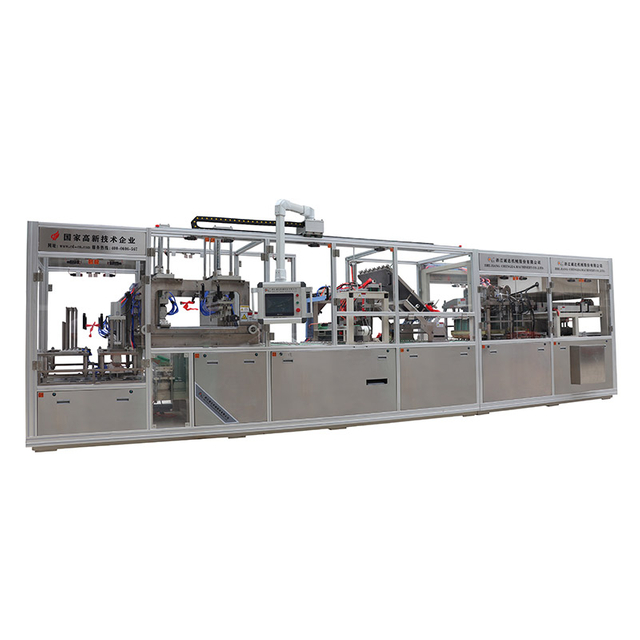
One of the key factors to consider when evaluating a blister machine is its material efficiency. Advanced machines equipped with servo-driven pre-heating technology can significantly reduce material waste. For example, servo-driven systems allow for precise temperature control, ensuring that only the exact amount of material needed is heated. This reduces the overuse of materials like PVC by up to 8%, leading to cost savings and less waste. Additionally, these systems allow for more uniform heating, improving the overall quality of the packaging and reducing defects that would otherwise result in material loss. By minimizing material waste, companies can not only lower their production costs but also contribute to more sustainable manufacturing practices.
Feature | Benefit | Impact |
Servo-driven pre-heating | Precise temperature control | Reduces PVC usage by 8% |
High material efficiency | Reduced waste | Lowers production costs |
In today’s competitive manufacturing environment, energy efficiency is a critical consideration. Many modern blister machines are designed with energy-saving features, such as servo motors and optimized drives, which reduce power consumption. For instance, machines with servo-driven systems can operate using less than 0.3 kWh per 1,000 blisters produced. This lower energy consumption translates into reduced operational costs, particularly for high-volume production lines. Energy-efficient blister machines not only help save on electricity bills but also align with sustainable manufacturing goals by reducing the overall environmental impact. Choosing a machine with low power consumption features helps ensure both financial and environmental sustainability.
Machine Type | Power Consumption | Ideal For |
Servo-driven machines | <0.3 kWh per 1,000 blisters | High-volume production |
Energy-efficient models | Low operational costs | Companies focused on sustainability |
When considering a blister machine, it’s essential to factor in the total cost of ownership (TCO). While automatic machines typically require a higher initial investment, they often offer significant savings over time due to reduced labor costs, higher efficiency, and fewer production delays. Maintenance costs are another important consideration; some machines come with built-in features that reduce the frequency of repairs, lowering long-term expenses. Additionally, machines with faster setup times and shorter changeover periods help reduce downtime, increasing overall productivity. By comparing the upfront cost, maintenance, and long-term savings, companies can calculate the return on investment (ROI) and determine whether a machine will deliver value over its lifespan.
Scalability is a key factor to consider when selecting a blister machine, especially for businesses planning for long-term growth. Modular designs provide the flexibility to expand production capabilities as demand increases. Machines with line extension capabilities allow for easy upgrades, enabling businesses to add additional features like vision inspection systems or waste rewinding without purchasing new equipment. Quick-change tooling further enhances flexibility by allowing rapid adjustments to accommodate different product sizes and packaging formats. This makes modular blister machines ideal for companies that anticipate changes in their production lines or product offerings in the future. The ability to adapt quickly can reduce downtime and ensure that production remains efficient as your business grows.
Not all products fit within standard packaging formats. For businesses dealing with irregular items or specialized packaging needs, customization is essential. Some blister machines offer tailored solutions, such as custom molds or nitrogen flushing, which extends the shelf life of sensitive products. For high-potency pharmaceuticals, machines can be equipped with isolators or split-butterfly valves to handle active pharmaceutical ingredients (APIs) in precise quantities. These features are especially crucial for industries where even minor variations in packaging can affect product quality and safety. By opting for customizable blister machines, companies can ensure that their packaging aligns perfectly with their specific product requirements, leading to better protection and presentation.
As consumer demands evolve, businesses must adapt to the increasing popularity of small-batch and specialty packaging. In industries like cosmetics, nutraceuticals, and custom food packaging, there is growing demand for products with unique packaging formats or lower production volumes. Blister machines with scalable features are well-suited to meet these trends. These machines offer the flexibility to handle small, specialized batches while still maintaining efficiency. Whether it’s producing limited-edition products or custom packaging for niche markets, scalable blister machines provide the agility businesses need to stay competitive. The ability to easily switch between high-volume and low-volume production runs ensures that companies can quickly respond to market shifts.
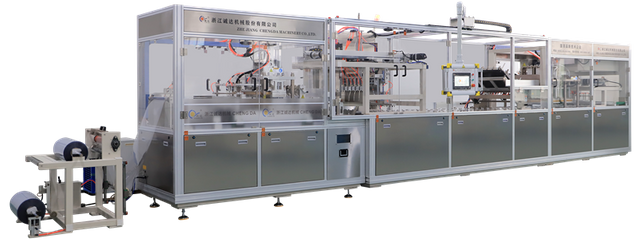
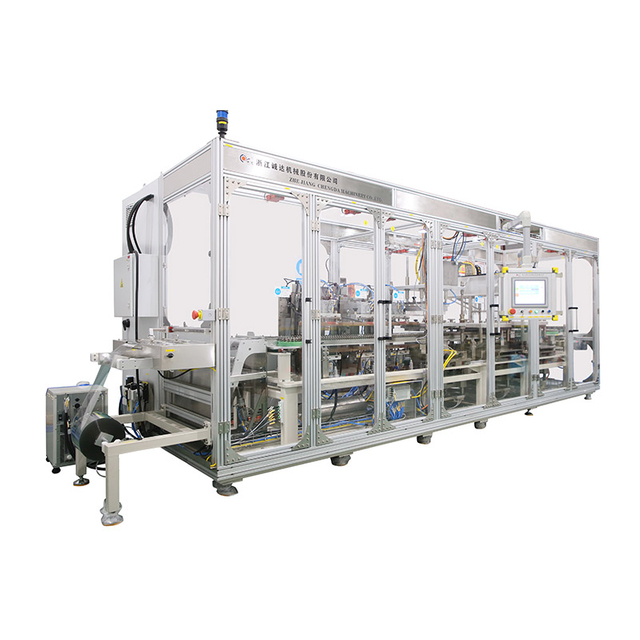
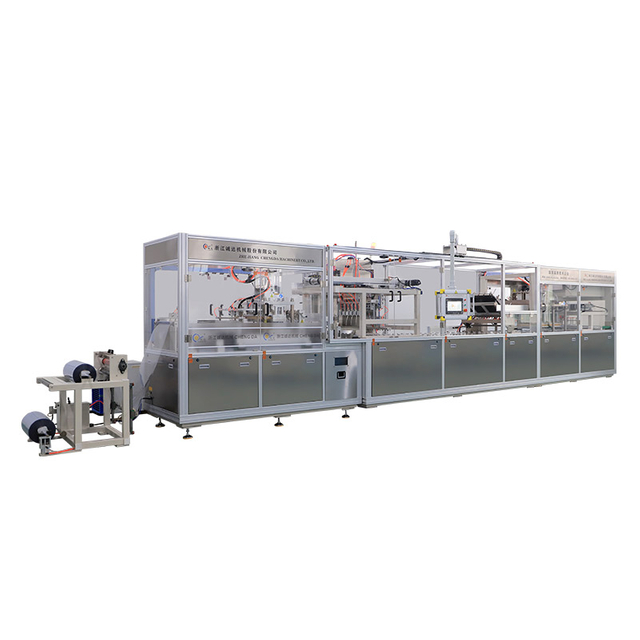
When choosing a packing machine, it’s essential to evaluate your product's size, material needs, and packaging style. Regulatory compliance, such as FDA and cGMP standards, is also crucial for industries like pharmaceuticals. Scalability and customization ensure that your machine can grow with your business. Companies like Chengda offer high-quality blister machines designed for efficiency, energy savings, and long-term growth, providing tailored solutions for various industries.
A: A blister machine is a packaging device used to create sealed cavities, usually for pharmaceuticals, food, and consumer goods. It helps protect and display products efficiently.
A: Consider factors like product size, material compatibility, and regulatory compliance. A machine with modular design and scalability, like Chengda's, can grow with your needs.
A: Blister machines offer precision, speed, and efficiency, reducing material waste and enhancing production quality. They are customizable for various product types and industries.