English
Views: 0 Author: Site Editor Publish Time: 2025-09-16 Origin: Site


Ever wondered how products are neatly packed in cartons? Cartoning machines are the unsung heroes behind this precision. These machines revolutionize packaging, ensuring efficiency and consistency across industries. In this post, you'll learn about the types, working principles, and key applications of cartoning machines, essential for modern packaging solutions.
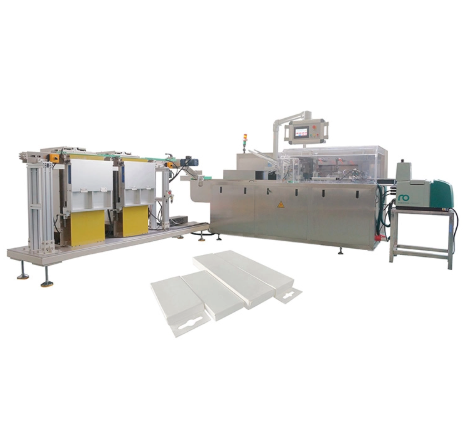
Cartoning machines come in various types, each designed to handle specific packaging needs efficiently. Understanding these types helps businesses choose the right machine for their products and packaging styles.
Horizontal cartoning machines load products into cartons from the side. They are ideal for products that are stable and can be pushed or slid into the carton horizontally. Common uses include:
Food items like candy bars and snack packs
Pharmaceutical blister packs
Consumer goods such as cosmetics or electronics accessories
These machines excel in high-speed operations and are often used when products need to be inserted quickly and gently without damage.
Vertical cartoning machines load products from the top into cartons. This type suits products that are stacked or flow easily downwards, such as:
Bottles and vials in the pharmaceutical industry
Sachets and pouches in food packaging
Small consumer goods like toys or hardware parts
Vertical machines often use gravity to assist product placement, making them effective for lightweight or free-flowing items. They also tend to have smaller footprints, saving space on production lines.
Wrap-around cartoning machines form cartons by wrapping a flat blank around the product, then sealing it. This method is common for:
Bottles or cans in beverage packaging
Multipacks of consumer goods like detergent bottles or canned foods
Products requiring a snug, secure fit inside the carton
These machines combine carton forming, product loading, and sealing into one process. They offer excellent carton integrity and often reduce packaging material waste.
Note: Selecting the right cartoning machine type depends heavily on product shape, size, fragility, and packaging speed requirements. Matching these factors ensures optimal efficiency and product protection.
Understanding how cartoning machines work helps businesses optimize their packaging processes. These machines automate the packing of products into cartons, improving speed and consistency.
Cartoning machines follow a series of steps to package products efficiently:
Carton Feeding: Flat carton blanks are fed into the machine. These blanks are often stacked and automatically picked one by one.
Carton Forming: The machine erects the flat blank into a 3D box shape by folding the carton’s flaps.
Product Loading: Products are inserted into the formed carton. This can be done horizontally or vertically depending on the machine type and product shape.
Carton Closing: Once loaded, the carton flaps are folded and sealed. Sealing methods include tuck-in flaps, glue, or tape.
Discharge: The sealed carton is ejected from the machine onto a conveyor for further handling or packing.
This cycle repeats rapidly to maintain high throughput on production lines.
Several components work together to ensure smooth operation:
Carton Magazine: Holds the flat carton blanks and feeds them into the machine.
Forming Station: Shapes the flat blank into a carton by folding the sides and bottom.
Product Infeed System: Guides products into the carton. It can include conveyors, pushers, or gravity-fed chutes.
Sealing Mechanism: Secures the carton flaps after loading. It may use hot melt glue, cold glue, or mechanical tuckers.
Control System: Coordinates all machine actions, ensuring timing and synchronization.
Sensors: Detect carton presence, product position, and flap alignment to prevent errors.
Each component must operate precisely to avoid jams, misfeeds, or damaged products.
Modern cartoning machines often incorporate automation technologies to boost efficiency:
Servo Motors: Provide precise control over movements, improving speed and accuracy.
Programmable Logic Controllers (PLCs): Allow easy programming and adjustment of machine parameters.
Human-Machine Interface (HMI): Touchscreen panels enable operators to monitor and control the machine.
Vision Systems: Cameras inspect cartons and products for quality control.
Integration with Upstream/Downstream Equipment: Synchronizes with filling machines or palletizers to streamline the entire packaging line.
Automation reduces manual labor, minimizes downtime, and enhances product consistency.
Note: Proper maintenance of each component and regular calibration of sensors are essential to keep cartoning machines running smoothly and avoid costly production delays.
Cartoning machines play a vital role across many industries by automating the packaging process. Their versatility and efficiency make them indispensable in sectors where packaging speed, precision, and product protection are critical.
In pharmaceuticals, packaging demands strict hygiene, accuracy, and compliance with regulatory standards. Cartoning machines help by:
Packing blister packs, vials, and bottles into cartons quickly and hygienically.
Ensuring consistent carton formation to protect sensitive medicines.
Supporting tamper-evident and child-resistant packaging requirements.
Integrating with serialization and labeling systems for traceability.
These machines reduce human contact, lowering contamination risk while increasing throughput. Their precision also minimizes product damage and packaging errors, which is crucial for patient safety and regulatory compliance.
Food and beverage companies rely on cartoning machines to package:
Snack bars, confectionery, and bakery items.
Sachets, pouches, and small beverage containers.
Multipacks of cans or bottles.
Cartoning machines maintain product freshness by securely enclosing items, often integrating with sealing and labeling equipment. They speed up packaging lines and provide consistent carton quality, essential for brand image and consumer trust. Some machines also support modified atmosphere packaging to extend shelf life.
Consumer goods like cosmetics, electronics accessories, and household products often use cartoning machines because they:
Handle diverse product shapes and sizes.
Provide attractive, protective packaging.
Support high-speed operations for mass production.
Allow customization for branding and marketing needs.
These machines improve packaging aesthetics and durability, helping products stand out on retail shelves. They also reduce labor costs by automating repetitive tasks.
Note: Choosing the right cartoning machine depends on the product type, packaging style, and industry-specific requirements to maximize efficiency and ensure product safety.
Cartoning machines bring several benefits to packaging operations. They enhance productivity, improve product quality, and lower costs, making them essential for many industries.
Cartoning machines speed up packaging by automating repetitive tasks. They can handle hundreds or thousands of cartons per hour, far faster than manual packing. This high speed helps meet tight production deadlines and supports large-scale manufacturing.
Machines feed, form, load, and seal cartons continuously.
Automation reduces downtime between packages.
Faster packing means quicker delivery to market.
For example, a horizontal cartoning machine can insert snack bars into cartons rapidly without damaging the product. This saves time and keeps the production line moving smoothly.
Using machines ensures each carton is packed the same way every time. This consistency improves product presentation and protects items during shipping.
Cartons are formed precisely to fit products.
Sealing is uniform, preventing damage or contamination.
Sensors detect errors like missing cartons or misaligned flaps.
Consistent packaging builds brand trust. Customers expect neat, secure cartons, especially for pharmaceuticals or food products. Machines reduce human error, maintaining high quality.
Though cartoning machines require upfront investment, they save money over time by cutting labor costs and reducing waste.
Automation lowers need for manual packers.
Precise carton forming minimizes material waste.
Reduced errors mean fewer rejected or returned products.
In the long run, machines pay for themselves through improved efficiency and lower packaging costs. They also free staff to focus on other tasks, boosting overall productivity.
Tip: When evaluating cartoning machines, consider not just speed but also the machine’s ability to maintain consistent quality and reduce waste. This balance maximizes return on investment.
Selecting the right cartoning machine is crucial to ensure smooth packaging operations. Several factors influence this decision, including production volume, product type, packaging materials, budget, and available space. Let's explore these considerations in detail.
First, consider how many cartons you need to produce daily or hourly. High-volume production lines require machines capable of rapid operation without sacrificing quality. For example:
High-speed machines: Suitable for large-scale manufacturers needing thousands of cartons per hour.
Medium to low-speed machines: Ideal for smaller businesses or specialty products with lower output demands.
Matching the machine speed with your production goals prevents bottlenecks and ensures efficient workflow.
The nature of the product affects the type of cartoning machine you should choose. Fragile items, oddly shaped products, or those requiring special handling need machines designed for gentle and precise packing.
Product shape and size: Flat, stable products may work well with horizontal machines, while free-flowing items suit vertical machines.
Packaging material: Carton thickness, rigidity, and flap design influence machine compatibility. Some machines handle thicker or pre-glued cartons better than others.
Understanding your product's characteristics helps select a machine that minimizes damage and maintains packaging integrity.
Budget limits often dictate the range of machines you can consider. While high-end machines offer advanced features and automation, they come with higher upfront costs.
Initial investment: Balance cost against expected efficiency gains and long-term savings.
Operating costs: Consider maintenance, energy consumption, and spare parts availability.
Floor space: Ensure the machine fits your facility layout. Vertical machines usually have smaller footprints, which might suit space-limited environments.
Planning for future growth is wise—sometimes investing in a slightly larger or more flexible machine pays off as production scales.
Tip: Before purchasing, request a demonstration or trial run of the cartoning machine with your actual product and packaging materials. This hands-on test reveals potential issues and confirms compatibility, helping avoid costly mistakes.
Cartoning machines continue evolving rapidly, driven by advances in technology and growing demands for sustainability and flexibility. Understanding these trends helps businesses stay competitive and prepare for future packaging challenges.
Modern cartoning machines increasingly incorporate smart technologies to boost efficiency, reduce downtime, and improve quality control. Key innovations include:
IoT Connectivity: Machines connect to cloud platforms, enabling real-time monitoring, predictive maintenance, and remote troubleshooting.
Artificial Intelligence (AI): AI algorithms optimize machine settings, detect defects, and adapt to product variations automatically.
Advanced Sensors and Vision Systems: These improve accuracy in carton forming, product placement, and sealing, reducing errors and waste.
Data Analytics: Collecting and analyzing machine data helps identify bottlenecks and optimize production workflows.
This integration creates “smart packaging lines” that are more responsive, flexible, and easier to manage, reducing operational costs and improving product quality.
Environmental concerns and regulations push packaging toward greener solutions. Cartoning machines adapt by supporting:
Recyclable and Biodegradable Materials: Machines handle new carton types made from recycled fibers or plant-based materials without compromising speed or quality.
Reduced Material Usage: Advanced forming and sealing techniques minimize carton size and glue consumption.
Energy Efficiency: Newer machines consume less power and feature energy-saving modes.
Waste Reduction: Automation improves accuracy, reducing carton misfeeds and rejects that generate waste.
Manufacturers adopting these trends can meet consumer demand for eco-friendly packaging and comply with stricter environmental standards, gaining a competitive edge.
The market increasingly demands personalized packaging and rapid changeovers. Cartoning machines respond by offering:
Modular Designs: Components can be swapped or added to handle different carton sizes, shapes, and products quickly.
Quick Changeover Features: Tool-less adjustments and automated recipe settings reduce downtime between runs.
Multi-Format Capability: Machines can package diverse products on the same line, supporting smaller batch sizes and seasonal variations.
Integration with Digital Printing: Enables on-demand, variable data printing for customized branding and labeling.
This flexibility allows manufacturers to cater to niche markets, test new products, and adapt swiftly to changing consumer preferences.
Tip: When investing in new cartoning machines, prioritize models with smart technology integration and modular designs to future-proof your packaging operations and maximize ROI.
Cartoning machines streamline packaging with efficiency, speed, and consistency across various industries. Future trends highlight smart technologies and eco-friendly solutions as key drivers. Zhejiang Chengda Machinery Co.,Ltd. offers innovative cartoning machines that enhance productivity and sustainability, providing businesses with reliable, cutting-edge solutions.
A: Horizontal, vertical, and wrap-around cartoning machines.
A: They automate carton feeding, forming, product loading, closing, and discharge.
A: Pharmaceuticals, food and beverage, and consumer goods industries.
A: They improve efficiency, consistency, and cost-effectiveness.
A: Production volume, product type, budget, and space constraints.