English
Views: 0 Author: Site Editor Publish Time: 2025-08-26 Origin: Site


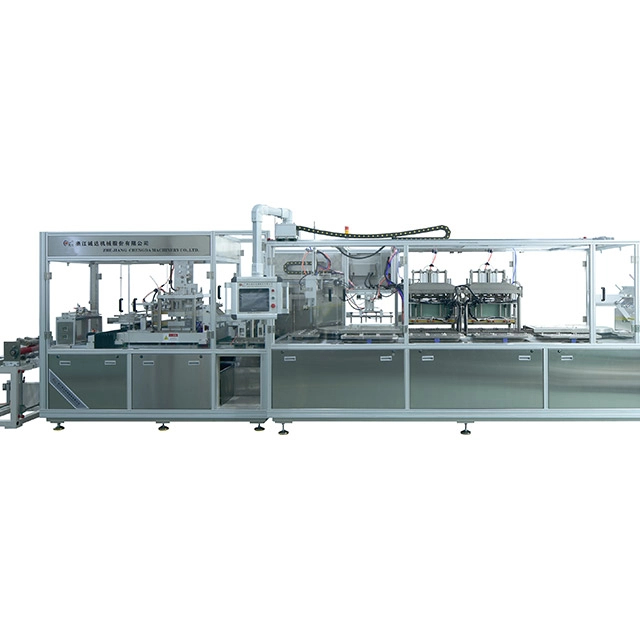
Blister machines revolutionize how pharmaceuticals are packaged. They ensure products are safe and tamper-proof. In pharmaceutical packaging, blister machines are indispensable. They provide protection, enhance visibility, and improve patient compliance. In this guide, you'll learn how blister machines work, why they're essential, and how to choose the right one for your needs.
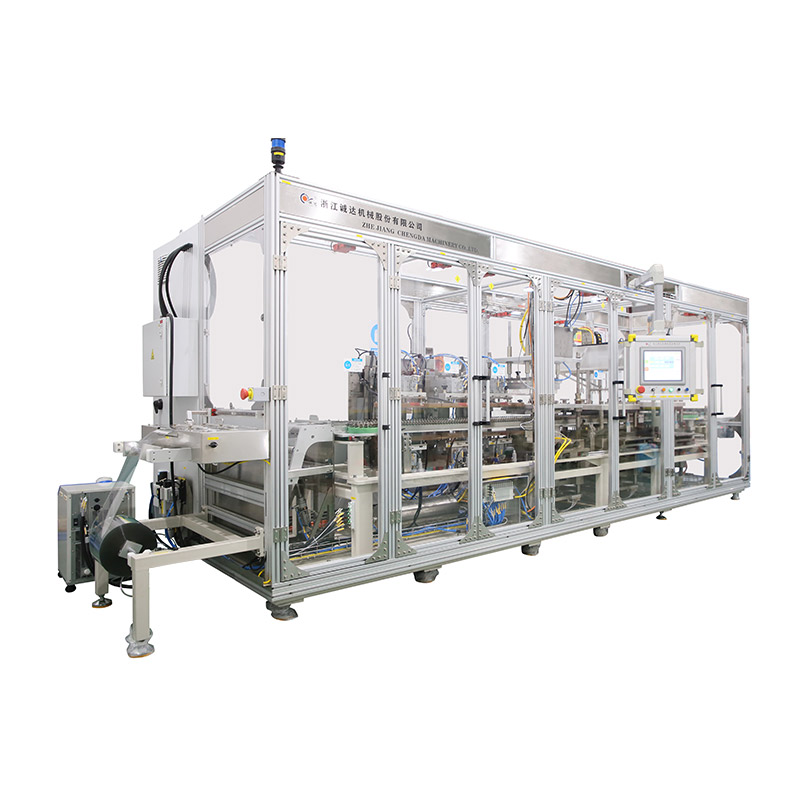
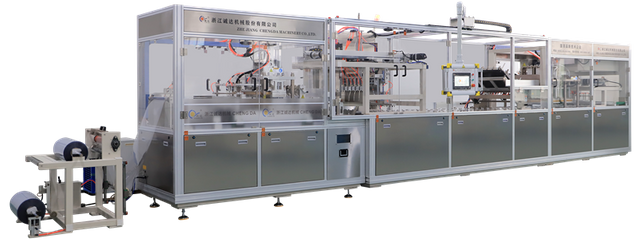
A blister machine consists of several key components that work together to create secure and efficient blister packaging. These include:
Forming Station: This is where the blister cavities are molded, usually by heating and shaping plastic sheets.
Filling Station: Here, the pharmaceutical products, like tablets or capsules, are placed into the formed cavities.
Sealing Station: The filled cavities are sealed with a backing material, often aluminum foil or paperboard, using a blister sealing machine or heat sealing machine for blister packaging.
Cutting Station: The sealed blister packs are cut into individual units or strips for distribution.
Control Panel: Operators use this interface to monitor and adjust machine settings, ensuring precise operation.
Conveying System: This moves the packaging materials and finished products through each stage seamlessly.
These components are integral to various blister packaging equipment, including automatic blister packing machines and blister pack equipment designed for the pharmaceutical industry.
Blister machines come in different types to suit daiverse packaging needs:
Thermoforming Blister Machines: These use heat to mold plastic sheets into cavities. They are widely used due to their versatility and ability to produce complex shapes.
Cold Forming Blister Machines: These machines use aluminum or aluminum-plastic laminate films, forming cavities through pressure without heat, offering superior barrier properties.
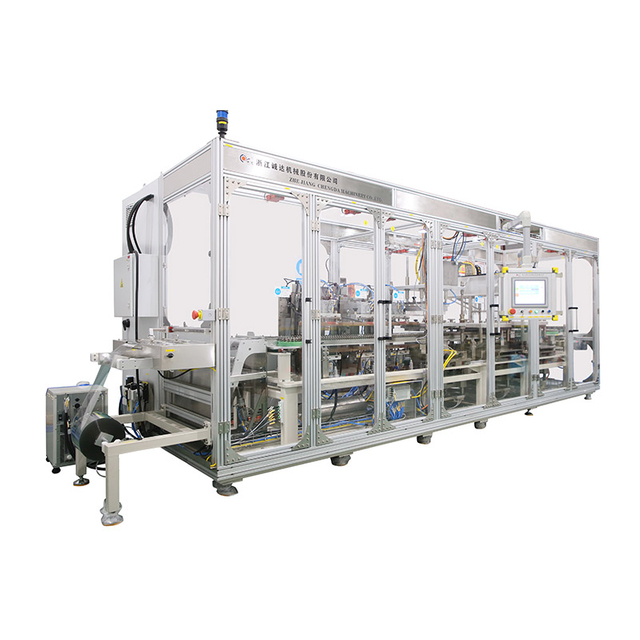
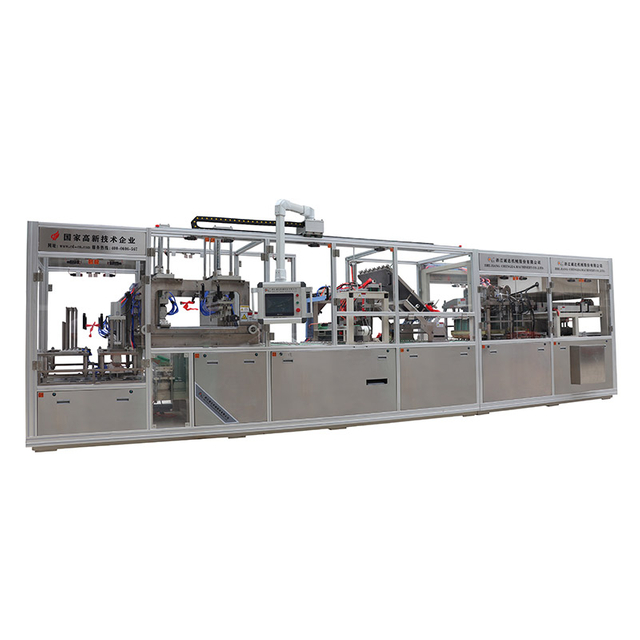
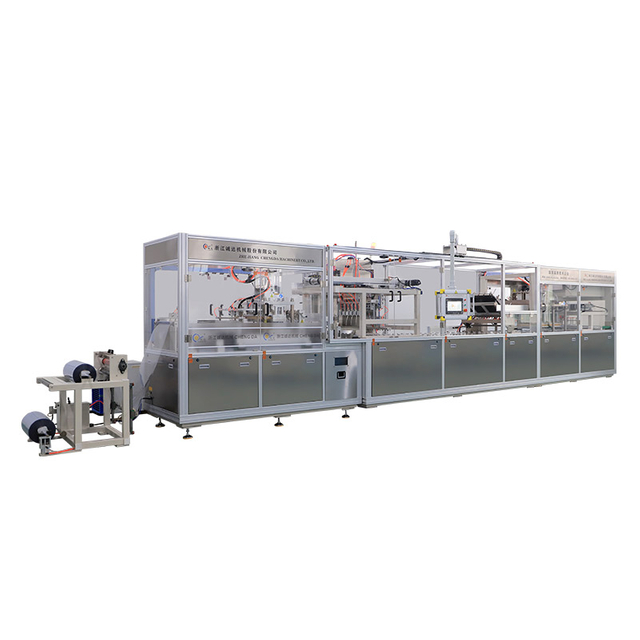
Automatic Blister Machines: These integrate all processes from forming to sealing and cutting, increasing speed and reducing manual labor.
Semi-Automatic Blister Machines: Require some manual intervention, suitable for smaller production runs or specialized packaging.
Blister Card Packaging Machines: Combine blister packaging with card backing, common for retail pharmaceutical products.
Each type has its advantages, depending on production volume, product sensitivity, and packaging requirements.
The operation of a blister machine follows a systematic process:
Material Feeding: Plastic or aluminum sheets are fed into the forming station.
Forming: The sheets are heated (in thermoforming) or pressed (in cold forming) to create cavities.
Product Loading: Tablets or capsules are placed into the cavities, either manually or automatically.
Sealing: A backing material is applied and sealed using a blister sealing machine or heat sealing machine for blister packaging to protect the product.
Cutting and Packaging: The sealed blister packs are cut into individual units or strips and prepared for shipment.
Blister packaging machines pharmaceutical industry rely heavily on automation to maintain consistency, reduce contamination risks, and improve throughput. Advanced blister machine packing systems integrate sensors and control software to monitor quality and detect defects in real-time.
Tip: When selecting blister packaging equipment, ensure compatibility between the forming materials and sealing technology to optimize product protection and machine efficiency.
The operation of a blister machine involves several precise steps to ensure efficient and secure pharmaceutical blister packaging:
Material Feeding: The process begins by feeding plastic or aluminum sheets into the forming station. These sheets serve as the base for blister cavities.
Forming: In thermoforming blister machines, plastic sheets are heated and molded into cavities. Cold forming machines use pressure to shape aluminum or aluminum-plastic laminates without heat.
Product Loading: Tablets, capsules, or other pharmaceutical items are loaded into the cavities. Automatic blister packing machines handle this step with high precision, while semi-automatic machines may require manual input.
Sealing: Once filled, the cavities are sealed with a backing material such as aluminum foil or paperboard. This step uses a blister sealing machine or heat sealing machine for blister packaging to protect the product from moisture, contamination, and damage.
Cutting and Packaging: Finally, the sealed blister packs are cut into individual units or strips using integrated cutting stations. The finished packs are then prepared for shipment or further packaging.
Blister packaging equipment typically uses the following materials:
Plastic Films: PVC (Polyvinyl Chloride), PET (Polyethylene Terephthalate), and PVDC (Polyvinylidene Chloride) are common. They offer transparency and flexibility for thermoforming.
Aluminum Foil: Used primarily for backing in sealing; provides excellent barrier properties against moisture and oxygen.
Laminates: Combinations of aluminum and plastic films are used in cold forming blister machines for enhanced protection.
Paperboard: Sometimes used as a backing material in blister card packaging machines, especially for retail-ready products.
The choice of materials depends on the product’s sensitivity, shelf life requirements, and regulatory standards in the pharmaceutical blister packaging machine pharmaceutical industry.
Ensuring quality is critical in blister machine packing. Common quality control steps include:
Visual Inspection: Cameras and sensors detect defects like incomplete forming, misaligned sealing, or missing tablets.
Leak Testing: Checks for proper sealing to prevent contamination.
Weight Verification: Ensures correct product quantity per blister cavity.
Barcode and Serialization Checks: Verifies packaging traceability and compliance.
Automatic blister packing machines often integrate these quality controls into the production line, reducing human error and enhancing reliability.
Modern blister packaging machines incorporate advanced automation technologies to boost efficiency and accuracy:
Robotic Loading: Automated product placement reduces manual handling and contamination risk.
Programmable Logic Controllers (PLCs): Control machine functions and allow quick adjustments.
Touchscreen Interfaces: Simplify operation and monitoring.
Real-Time Data Monitoring: Tracks machine performance and product quality.
Integration with Deblistering Machines: Facilitates reverse processing for quality assurance or repackaging.
These technologies make automatic blister machines indispensable in high-volume pharmaceutical production.
Operating blister pack equipment can present challenges, including:
Material Compatibility Issues: Incorrect material combinations can cause poor sealing or product damage. Solution: Use compatible films and sealing technologies.
Machine Downtime: Caused by jams or mechanical failures. Solution: Regular maintenance and prompt troubleshooting.
Product Misalignment: Leads to defective packs. Solution: Calibrate loading mechanisms and use sensors.
Heat Damage: Excessive sealing temperature can deform products. Solution: Optimize heat sealing machine settings.
Understanding these challenges helps operators maximize blister packaging machine performance and product safety.
Tip: To optimize blister machine packing, regularly calibrate sealing temperatures and ensure material compatibility to prevent defects and improve packaging integrity.
Blister machines play a critical role in protecting pharmaceutical products from environmental factors like moisture, oxygen, and contamination. The sealed cavities created by blister packaging equipment form a robust barrier, preserving drug efficacy and extending shelf life. Using a high-quality blister sealing machine ensures that tablets and capsules remain intact and uncontaminated during transport and storage. This protection is essential in the pharmaceutical blister packaging machine pharmaceutical industry, where product integrity directly impacts patient safety.
Blister packaging offers excellent product visibility, thanks to transparent plastic films such as PVC or PET. This clarity allows patients and healthcare providers to easily identify the medication, dosage, and quantity. Blister pack equipment designed with clear cavities and printed backing cards enhances branding and consumer trust. The automatic blister packing machine streamlines this process while maintaining consistent visual appeal across batches.
Blister machines contribute to better patient compliance by organizing medication into individual doses. This packaging format helps patients track their medication schedules, reducing missed or double doses. Blister card packaging machines often incorporate calendar designs or numbered blisters, making it easier for patients to follow prescribed regimens. Such packaging innovations support adherence, especially in chronic disease treatments.
Investing in automatic blister machines can reduce labor costs and increase production speed. These machines minimize manual handling, lowering the risk of product damage and contamination. Moreover, blister packaging machines for sale come with customizable options, allowing pharmaceutical companies to optimize material use and reduce waste. The efficiency gained from blister machine packing translates into lower overall packaging costs and faster time-to-market.
Modern blister packaging equipment is evolving to address environmental concerns. Manufacturers are developing recyclable and biodegradable materials compatible with existing blister machines. Heat sealing machines for blister packaging are also being optimized to consume less energy during operation. Selecting blister packaging machines that support sustainable practices helps pharmaceutical companies reduce their carbon footprint while maintaining product safety.
Tip: When choosing blister packaging equipment, prioritize machines that balance product protection with sustainability to meet both regulatory and environmental goals.
Choosing the ideal blister machine for pharmaceutical packaging requires careful consideration of several factors. The right equipment ensures efficient production, product safety, and compliance with industry standards. Here’s what to keep in mind when selecting blister packaging equipment:
Production Volume: High-volume operations benefit from automatic blister packing machines that offer speed and consistency. Smaller runs might be better suited to semi-automatic or manual blister pack equipment.
Type of Product: Fragile tablets or capsules may require specialized blister sealing machines with precise temperature control to avoid damage.
Material Compatibility: Ensure the machine supports the specific films and foils used, such as PVC, PET, or aluminum laminates, to maintain seal integrity.
Automation Level: Fully automatic blister machines reduce labor costs and contamination risks but come with higher upfront investment.
Space and Layout: Consider the available floor space and how the blister machine fits with existing packaging lines, including integration with deblistering machines if needed.
Regulatory Compliance: The machine should meet pharmaceutical industry standards for hygiene, traceability, and serialization.
Budget: Balance cost with features and durability to maximize return on investment.
Many manufacturers offer customization to tailor blister packaging machines to specific needs:
Forming Tooling: Custom cavity shapes and sizes to fit unique product dimensions.
Sealing Options: Different heat sealing machines or blister pack sealing machines for varied backing materials.
Integration: Ability to connect with upstream and downstream equipment like cartoning machines or deblistering machines.
Software Features: Enhanced control panels, data logging, and remote diagnostics.
Packaging Formats: Options for blister card packaging machines or strip packs.
Customization helps optimize production efficiency and ensures the blister machine packing process aligns perfectly with product requirements.
When comparing blister packaging machines, evaluate:
| Criteria | What to Look For |
|---|---|
| Reliability | Consistent operation with minimal downtime |
| Ease of Use | Intuitive control panels and quick changeovers |
| After-Sales Support | Availability of spare parts and technical support |
| Technology | Latest automation, sensors, and quality control |
| Energy Efficiency | Machines with optimized heat sealing and power use |
| Scalability | Ability to upgrade or expand as production grows |
| Price | Competitive pricing balanced with features |
Visiting trade shows, requesting demos, and consulting with suppliers can provide valuable insights. It’s also helpful to review case studies or customer testimonials from the pharmaceutical blister packaging machine pharmaceutical industry.
Tip: Before purchasing, conduct a thorough needs assessment and request machine trials to ensure the blister packaging machine for sale meets your specific production and compliance requirements.
Maintaining your blister machine regularly is crucial to ensure smooth operation and avoid costly downtime. Start with daily cleaning to remove dust, debris, and product residues from forming and sealing stations. Lubricate moving parts according to the manufacturer’s guidelines to prevent wear and tear. Check the alignment of tooling and sealing components frequently, as misalignment can cause defective packs. Inspect heating elements in the blister sealing machine or heat sealing machine for blister packaging to ensure consistent temperature control. Additionally, verify sensor calibration on automatic blister packing machines to maintain accurate product loading and quality checks.
Scheduling preventive maintenance, such as replacing worn-out seals, belts, or rollers, helps extend the machine’s lifespan. Keep a maintenance log to track performed tasks and any observed issues. This practice supports timely interventions and improves overall blister machine packing reliability.
Several common issues can arise during blister machine operation:
Sealing Failures: Poor or incomplete sealing can result from incorrect temperature settings, damaged sealing jaws, or incompatible materials. Fix this by recalibrating the heat sealing machine, inspecting sealing tools for wear, and verifying material compatibility.
Material Jams: Sheets or films may jam in the forming or feeding stations. Clear jams promptly and check for misaligned guides or damaged feeding rollers.
Product Misplacement: Tablets or capsules might not align correctly in cavities, causing defects. Adjust loading mechanisms and recalibrate sensors on the automatic blister machine.
Inconsistent Forming: Cavities may form unevenly due to worn forming tools or uneven heating. Replace tooling and ensure uniform heat distribution.
Electrical or Software Errors: PLC or control panel malfunctions can disrupt operations. Restart the system, update software if available, and consult technical support for complex issues.
Regular operator training on troubleshooting and machine handling minimizes errors and maximizes uptime.
To maximize the lifespan of blister packaging equipment, invest in quality components and follow manufacturer recommendations closely. Use only approved materials compatible with your blister packaging machine pharmaceutical industry standards. Avoid overloading the machine beyond its designed capacity. Incorporate regular inspections to detect early signs of wear or malfunction.
Integrate condition monitoring tools if available, which alert operators to potential failures before they occur. Proper storage of spare parts and timely replacement ensures minimal disruption. Finally, partner with reliable service providers for routine maintenance, repairs, and software updates.
Tip: Establish a detailed maintenance schedule and train your team on common troubleshooting steps to keep your blister machine running efficiently and reduce unexpected downtime.
Automation continues to revolutionize blister packaging machines. Modern automatic blister packing machines now feature enhanced robotic loading systems, which improve accuracy and reduce manual labor. These advancements allow blister machines to handle delicate pharmaceutical products with greater care, minimizing damage and contamination risks. Programmable Logic Controllers (PLCs) and sophisticated control panels enable real-time adjustments, optimizing production speed and quality. Integration with deblistering machines also supports efficient reverse processing for quality checks or repackaging. These innovations make blister machine packing faster, more reliable, and cost-effective for pharmaceutical manufacturers.
Smart blister packaging is an emerging trend that combines blister packaging equipment with digital technology. Embedded sensors and RFID tags can track medication usage and provide data on patient adherence. This technology enhances the role of blister card packaging machines by enabling interactive packaging that communicates with mobile apps or healthcare providers. Smart blister machines incorporate serialization and traceability features, ensuring compliance with stringent pharmaceutical regulations. Such intelligent blister pack equipment helps improve patient outcomes and supports supply chain transparency.
Sustainability is a growing priority in the pharmaceutical blister packaging machine pharmaceutical industry. New blister packaging machines are designed to work with eco-friendly materials, such as biodegradable plastics and recyclable aluminum laminates. Heat sealing machines for blister packaging are being optimized to reduce energy consumption during sealing processes. Additionally, manufacturers are developing blister machines that minimize material waste through precise forming and cutting technologies. These advances help pharmaceutical companies reduce their environmental footprint without compromising product protection or packaging quality.
Tip: When investing in new blister packaging equipment, prioritize machines that offer advanced automation, smart packaging capabilities, and sustainability features to future-proof your pharmaceutical production line.
Blister machines are vital for pharmaceutical packaging, offering protection and efficiency. They ensure product safety, enhance visibility, and improve patient compliance. Automation and smart technology are advancing blister machine capabilities, making them indispensable in the industry. Zhejiang Chengda Machinery Co.,Ltd. provides state-of-the-art blister machines that deliver exceptional value through innovative features and reliable performance. Their products are designed to meet the highest standards, ensuring optimal packaging solutions for pharmaceutical companies.
A: A Blister Machine is a device used to create blister packs for pharmaceuticals. It forms cavities in plastic or aluminum sheets, fills them with products, and seals them using a blister sealing machine to protect against moisture and contamination.
A: Automatic blister packing machines streamline the packaging process, reducing manual labor and ensuring consistent quality. They integrate forming, filling, sealing, and cutting, crucial for high-volume pharmaceutical blister packaging.
A: Blister packaging equipment uses materials like PVC, PET, and aluminum foil. These materials provide transparency, flexibility, and excellent barrier properties essential for pharmaceutical blister packaging.
A: Blister sealing machines use heat or pressure to securely seal backing materials, protecting pharmaceutical products from moisture, oxygen, and contamination, thus preserving their efficacy and safety.
A: Common issues include sealing failures and material jams. Solutions involve recalibrating the heat sealing machine, clearing jams, and ensuring material compatibility for smooth operation.